

Reading has always been shaped by where and how it happens. From libraries and living rooms to trains and smartphones, the environment surrounding reading profoundly affects how people engage with text. Few spaces illustrate this better than manga cafés. Originating in Japan and later spreading internationally, manga cafés did more than provide shelves of comics and a place to sit. They fundamentally reshaped reading culture by altering access, habits, social norms, and the very meaning of what it means to read. Manga cafés turned reading into an immersive, flexible, and often deeply personal experience, while also making it communal in unexpected ways.
Before manga cafés became widespread, reading manga was largely associated with private ownership or public libraries. You bought volumes, borrowed them, or read them at home. Manga cafés disrupted this model by offering thousands of volumes in a semi-private, pay-by-time setting. This simple shift had enormous consequences. Reading became something you could drop into at any hour, for any length of time, without commitment to ownership or long-term planning. Over time, this convenience influenced how readers valued time, comfort, and choice in their reading lives.
Manga cafés also blurred boundaries between leisure, necessity, and culture. They were not just about reading; they became places to rest, work, socialize, and sometimes even live temporarily. As a result, reading manga stopped being a single-purpose activity and became embedded in daily routines. To understand how deeply manga cafés changed reading culture, it is essential to look at their origins, their impact on reading habits, their social role, and their lasting influence in the digital age.
The Birth of Manga Cafés and a New Reading Environment
Manga cafés emerged in Japan during the late twentieth century, shaped by urban density, long working hours, and a strong existing manga culture. Cities like Tokyo already had a population accustomed to small, efficient spaces and time-based services. Karaoke boxes and capsule hotels had paved the way for businesses built around renting comfort by the hour. Manga cafés applied this model to reading, creating a radically new environment where books were no longer tied to silence, formality, or ownership.
The physical design of manga cafés played a critical role in changing reading culture. Unlike libraries, which emphasize openness and shared space, manga cafés prioritize semi-privacy. Individual booths, reclining chairs, and low lighting created an atmosphere where readers could disappear into a story without distraction. This design reframed reading as an immersive, almost cocoon-like experience, encouraging longer sessions and deeper engagement. Readers were not simply flipping through pages; they were inhabiting the world of the manga for hours at a time.Over time, this sense of comfort and familiarity became part of their identity, much like a veteran clothing brand that earns loyalty by consistently providing spaces, textures, and experiences people return to not out of novelty, but out of trust.
Equally important was accessibility. Manga cafés removed many traditional barriers to reading. You did not need to buy expensive volumes, wait for popular titles to become available, or commit shelf space at home. Instead, for a modest hourly fee, you gained access to an enormous library. This democratization of access expanded reading culture, especially among students, young workers, and people with limited living space. Manga reading became more spontaneous and less tied to economic status.
The café aspect further softened the act of reading. Food, drinks, internet access, and background noise normalized reading as something compatible with everyday life rather than a special, isolated activity. This contrasted sharply with the image of reading as quiet, solitary, and serious. Manga cafés helped redefine reading as casual, flexible, and integrated into modern urban living, a shift that would ripple outward into broader reading habits.
Changing Reading Habits and the Rhythm of Consumption
One of the most profound ways manga cafés changed reading culture was by transforming how people consumed stories. Traditional book ownership encourages slow, deliberate reading, often spread over days or weeks. Manga cafés, by contrast, encouraged binge reading. Faced with unlimited access and a ticking clock, readers often consumed entire series in one sitting. This accelerated rhythm reshaped expectations around pacing, narrative payoff, and reader commitment.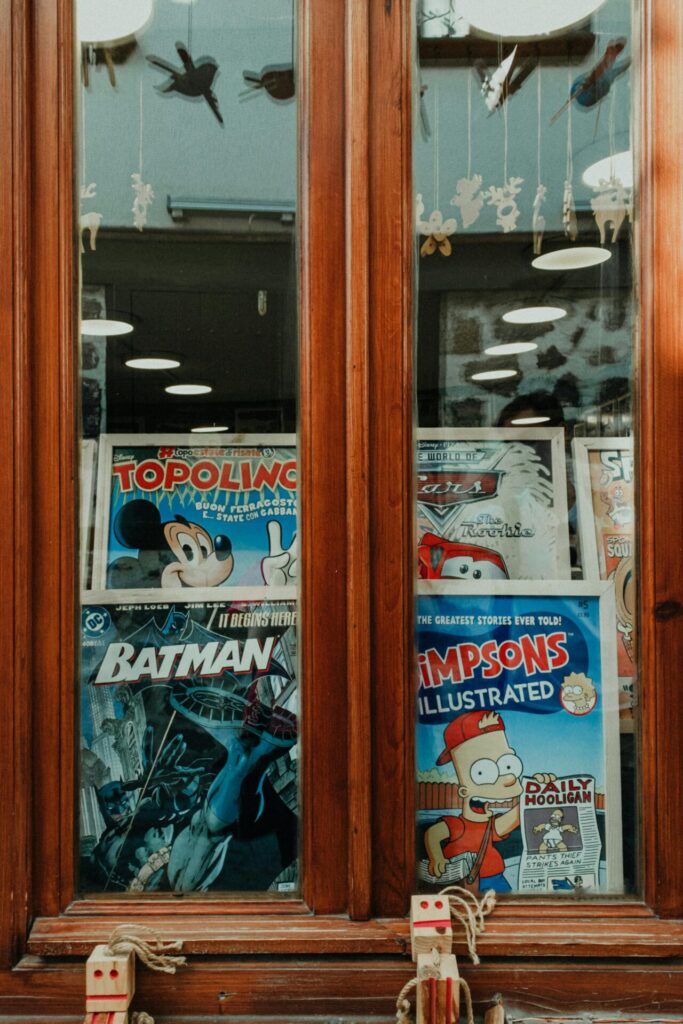
Binge reading altered how stories were experienced emotionally. Long narrative arcs that once unfolded over months could now be absorbed in a single night. This intensified emotional engagement and strengthened attachment to characters and worlds. Reading became more immersive and immediate, closer to the experience of watching an entire television season at once. Over time, this influenced how readers evaluated manga, favoring works that sustained momentum and rewarded prolonged attention.
Manga cafés also encouraged exploratory reading. With thousands of volumes at hand, readers were more willing to sample unfamiliar genres, authors, or eras. The risk of disappointment was low because there was no purchase involved. This fostered a more adventurous reading culture, where curiosity replaced brand loyalty. Readers discovered niche titles, older works, and experimental styles that might have been overlooked in a bookstore setting.
Time-based pricing subtly changed the value readers placed on reading. Time itself became the primary currency, not the book. This led readers to become more conscious of how they spent their reading hours, sometimes prioritizing speed and completion over reflection. While some critics argue this encouraged shallow engagement, others note that it simply reflected changing lifestyles, where concentrated bursts of attention replaced leisurely, open-ended reading.
Importantly, manga cafés normalized reading in nontraditional time slots. Late nights, early mornings, and in-between hours became viable reading times. For shift workers or people missing the last train home, manga cafés offered both shelter and entertainment. Reading adapted to the rhythms of modern life rather than demanding dedicated, separate time, marking a significant cultural shift.
Manga Cafés as Social and Cultural Spaces
Although manga cafés emphasize individual booths and personal comfort, they also reshaped the social dimension of reading. Traditionally, reading is seen as solitary, while discussion happens afterward. Manga cafés created a paradoxical space where people read alone together. The shared environment fostered a quiet sense of community, where readers coexisted without direct interaction yet felt part of a collective activity.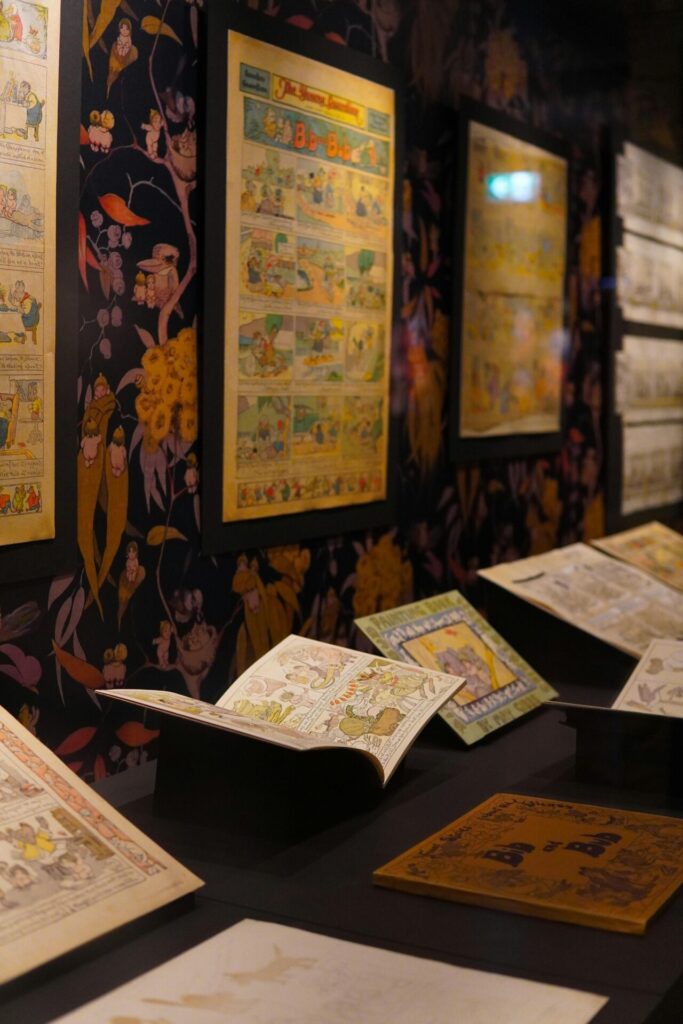
This subtle sociality influenced how reading was perceived culturally. Seeing others read normalized the behavior and reinforced manga as a legitimate and shared cultural practice. For younger readers especially, manga cafés became formative spaces where reading was associated with belonging rather than isolation. Reading ceased to be a private quirk and became a visible, socially accepted habit.
Manga cafés also played a role in redefining who readers were. They attracted a diverse clientele: students, office workers, freelancers, tourists, and people experiencing temporary housing instability. This diversity challenged stereotypes about manga readers and expanded the cultural image of reading. Manga cafés highlighted reading as an activity that cut across age, class, and occupation, reflecting a more inclusive reading culture.
In some cases, manga cafés became informal refuges. People used them as places to decompress, escape stress, or find temporary privacy in crowded cities. Reading in this context took on therapeutic qualities. Manga became not just entertainment but emotional support, helping readers cope with loneliness, exhaustion, or uncertainty. This emotional function deepened the cultural significance of reading.
Events such as recommendations from staff, visible popularity rankings, and shared cultural buzz around certain titles further reinforced social dimensions. Readers were influenced by what others were reading, even without direct conversation. This passive form of cultural exchange shaped tastes and trends, turning manga cafés into quiet hubs of cultural circulation.
The Legacy of Manga Cafés in the Digital Age
As digital reading platforms have grown, some predicted the decline of manga cafés. Yet their influence persists, both directly and indirectly. Even where physical manga cafés have diminished, their impact on reading culture remains visible. They helped normalize on-demand, binge-style reading long before smartphones and tablets became dominant.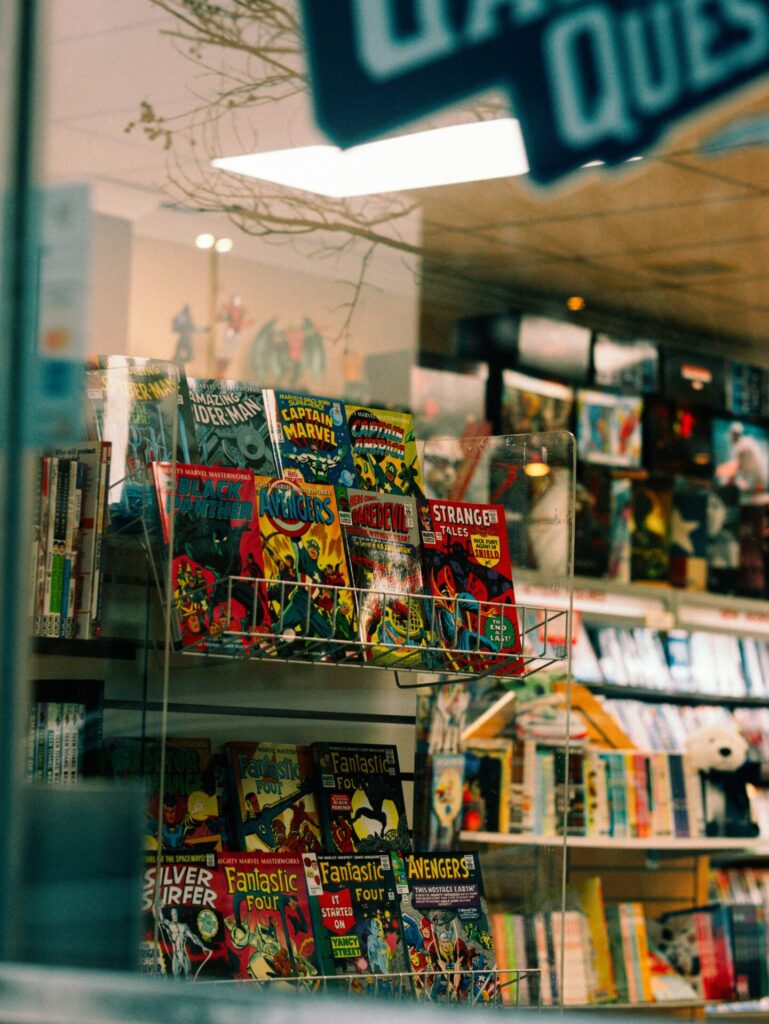
Digital manga services echo many features pioneered by manga cafés: vast libraries, low entry costs, and flexible reading schedules. The expectation that stories should be instantly available can be traced back to café culture. Manga cafés trained readers to expect abundance and immediacy, reshaping industry standards and consumer behavior.
However, manga cafés also highlighted what digital reading lacks. The physical comfort, separation from daily distractions, and ritual of entering a dedicated space are difficult to replicate digitally. For some readers, manga cafés remain irreplaceable precisely because they offer a break from screens. This underscores their lasting role as cultural sanctuaries for focused reading.
Internationally, manga cafés inspired similar hybrid spaces combining reading, leisure, and hospitality. Even in regions without traditional manga café culture, bookstores and libraries have adopted more relaxed, café-like designs. The idea that reading spaces should be comfortable, welcoming, and multifunctional owes much to the manga café model.
Ultimately, manga cafés changed reading culture by proving that reading does not have to be rigid, silent, or isolated. They demonstrated that reading can adapt to modern life without losing depth or meaning. By reshaping access, habits, social norms, and values, manga cafés left an enduring mark on how people engage with stories. Their legacy lives on every time a reader expects comfort, choice, and immersion as basic elements of the reading experience.