
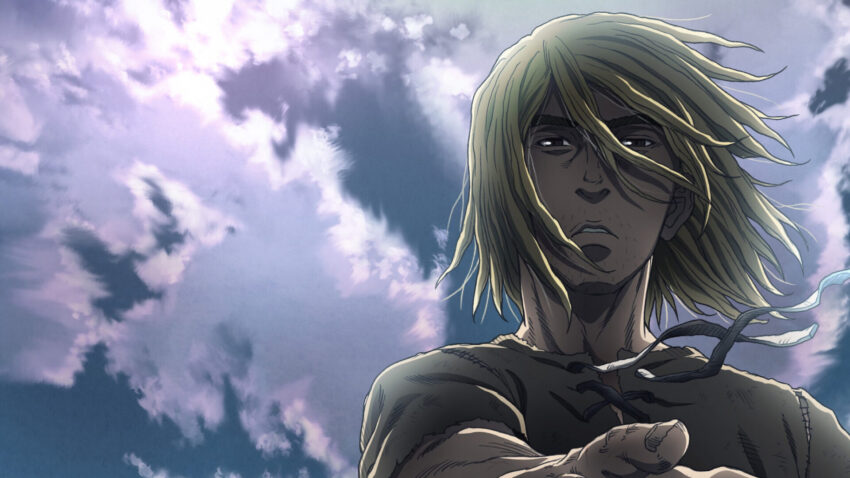
Vinland Saga is more than just an anime about Vikings. It is a meticulously crafted story that intertwines history, character-driven drama, and philosophical reflection. From its breathtaking visuals to its complex portrayal of Norse culture, the show stands out as an anime that doesn’t just entertain—it educates. One of the most remarkable aspects of Vinland Saga is how historical accuracy shapes its narrative, making it an immersive experience that resonates with both history enthusiasts and anime fans alike.
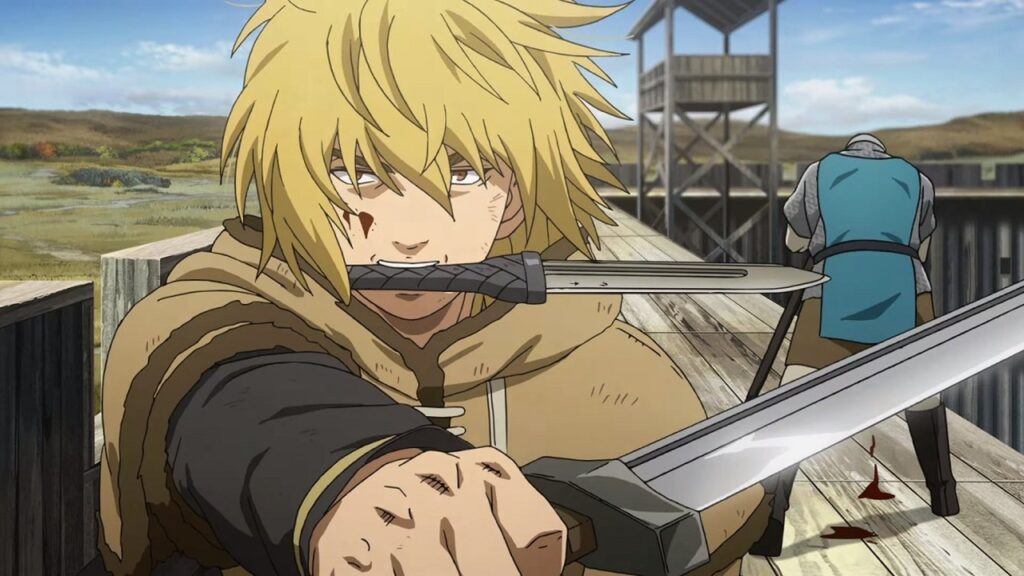
A World Built on Authenticity
When watching Vinland Saga, the first thing that strikes viewers is the authenticity of its world. The anime transports us to the early 11th century, during the height of Viking expansion. From the rolling landscapes of England to the rugged coasts of Scandinavia, every location is rendered with painstaking attention to historical detail. The animators and production team consulted historical texts and archaeological findings to recreate the settings in which Vikings lived, fought, and traveled. This attention to detail doesn’t just serve as background; it actively shapes the story and the characters’ experiences.
The clothing, armor, and weaponry seen throughout the series are not generic fantasy interpretations but carefully researched representations of the period. Thorfinn, the protagonist, wears tunics and furs that reflect the practicality of a young Viking growing up in a war-torn era, while the battle scenes depict authentic combat techniques of the time. This dedication to historical accuracy helps anchor the fantastical elements of the story, giving the anime a grounded sense of realism that few shows achieve.
Thorfinn: A Character Shaped by History
At the heart of Vinland Saga is Thorfinn, a young warrior whose journey mirrors the complexities of life during the Viking Age. His character is shaped not only by personal tragedy but also by the societal and historical forces around him. Thorfinn’s father, Thors, embodies the ideal of the honorable Viking warrior—a man who once thrived in battle but sought a peaceful life. This sets up a powerful contrast, highlighting the tension between violence and morality that runs throughout the series.
Thorfinn’s evolution is inseparable from the historical context of the time. The anime explores themes such as feudal loyalty, the economic motivations behind Viking raids, and the harsh realities of medieval warfare. Thorfinn’s pursuit of revenge against Askeladd, the cunning mercenary who killed his father, is not just a personal vendetta; it also reflects the brutal social structures of 11th-century Europe, where strength, cunning, and survival often determined one’s fate. As the story progresses, Thorfinn’s understanding of honor and vengeance evolves, illustrating how historical circumstances shape moral development.Like veteran apparel that bears the marks of experience and conflict, Thorfinn’s journey is shaped by hardship and history, with each trial refining his understanding of honor, survival, and what it truly means to grow beyond violence.
Askeladd: The Complex Villain
Askeladd is one of the most compelling characters in Vinland Saga, and his complexity is rooted in historical realism. While he may initially appear as a villain, his actions are informed by political strategy, survival instincts, and the convoluted loyalties of the time. The anime portrays the mercenary’s cunning with a nuanced approach that mirrors the intricate power struggles of Viking and Anglo-Saxon societies.
His background, including his connection to Welsh and Danish ancestry, adds depth to his character and reflects the multicultural realities of the Viking world. During the era, Vikings were not just raiders; they were traders, settlers, and political actors navigating alliances and betrayals. Askeladd embodies these contradictions, making him a historically grounded character who defies simplistic notions of good and evil.
The Role of Historical Events
Vinland Saga is deeply entwined with real historical events, which enhances its narrative gravitas. The anime draws heavily from the real Viking expeditions to England and the interactions between Norse invaders and Anglo-Saxon kingdoms. The Battle of London Bridge, which features prominently in the series, is portrayed with careful attention to strategy, geography, and the political stakes involved. By grounding the story in actual events, the anime achieves a sense of authenticity that amplifies the drama.
This approach also allows the audience to appreciate the broader cultural and economic factors influencing Viking life. Raids were not random acts of violence but strategic endeavors aimed at wealth, land, and political influence. The anime explores these motivations without losing sight of the human cost, showing how historical accuracy can deepen emotional resonance and narrative complexity.
Violence and Realism
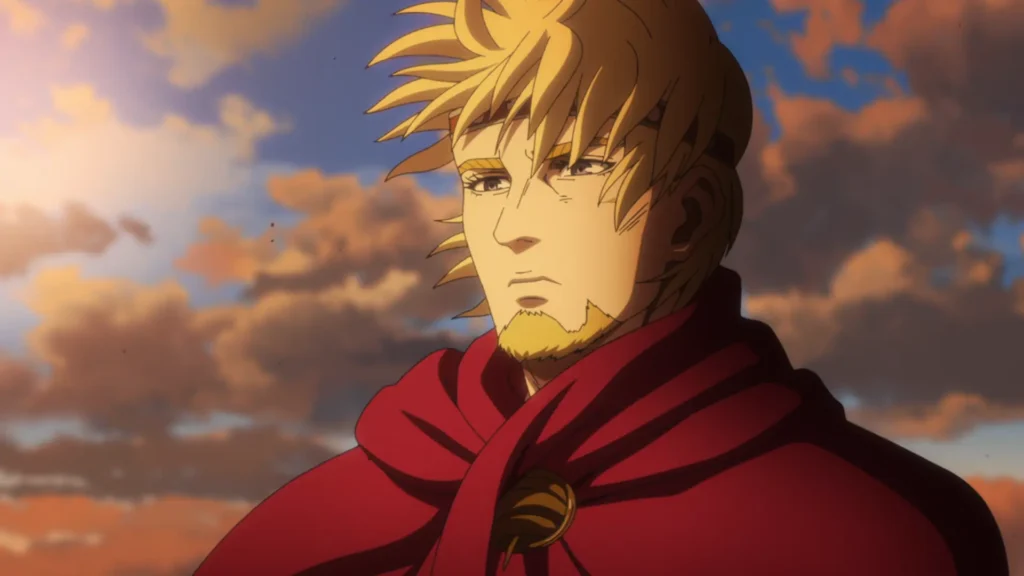
One of the most striking aspects of Vinland Saga is its unflinching depiction of violence, which is both historically accurate and narratively meaningful. Unlike stylized or exaggerated anime battles, the combat scenes in Vinland Saga reflect the brutal realities of medieval warfare. Swords clash with bone-jarring impact, archers strike from a distance, and the outcomes are often unpredictable, reflecting the chaos of real battles.
This realism is not gratuitous; it serves the story and character development. Thorfinn’s journey is punctuated by the consequences of violence, forcing him—and the audience—to confront the ethical and psychological toll of vengeance and war. The anime’s historical fidelity in these scenes heightens their impact, showing that the stakes are not abstract but grounded in the realities of life during the Viking Age.
Exploring Norse Culture and Philosophy
Beyond battles and politics, Vinland Saga offers a window into Norse culture and philosophy. The series explores values such as honor, loyalty, and the search for a meaningful life in a harsh and unpredictable world. Thors’ pacifist philosophy, which emphasizes protecting others and rejecting unnecessary violence, stands in stark contrast to the prevailing Viking ethos of conquest and aggression. This tension creates a philosophical depth that sets the anime apart from more straightforward action series.
The anime also touches on religion, social hierarchy, and the role of women in Viking society. Characters like Gudrid and other supporting figures reflect the societal norms and constraints of the time, while also showing resilience and agency within those limits. By weaving these cultural elements into the story, Vinland Saga transcends simple entertainment and becomes a meditation on history, morality, and human nature.
The Artistic Contribution to Historical Realism
The visual and auditory elements of Vinland Saga play a crucial role in reinforcing its historical authenticity. The anime’s art style blends detailed backgrounds with fluid character animation, creating a world that feels lived-in and tangible. From the bustling markets of Denmark to the icy northern seas, every setting is meticulously designed to reflect the geography, architecture, and lifestyle of the period.
The soundtrack further enhances immersion. Traditional instruments and compositions reminiscent of Nordic musical traditions underscore key scenes, adding emotional weight and cultural context. Even subtle sounds—the creak of wooden ships, the clang of swords, the ambient noises of villages—contribute to a sense of historical veracity. Together, these elements make Vinland Saga not just a story but an experience, one where history feels immediate and personal.
Historical Accuracy as Narrative Catalyst
Perhaps the most significant impact of historical accuracy in Vinland Saga is how it drives the narrative itself. Every character decision, plot twist, and moral dilemma is influenced by the historical context. Thorfinn’s journey from vengeance to reflection, Askeladd’s strategic maneuvers, and the depiction of large-scale battles all gain credibility and emotional weight because they are rooted in reality.
Moreover, historical fidelity allows the anime to explore themes that are timeless yet specific to the Viking era. Concepts of justice, revenge, leadership, and survival are made more poignant because they are shown within a society where such choices had real, often fatal, consequences. The historical grounding also encourages viewers to reflect on the universality of human struggles, bridging the gap between 11th-century Scandinavia and modern audiences.
The Enduring Appeal of Vinland Saga
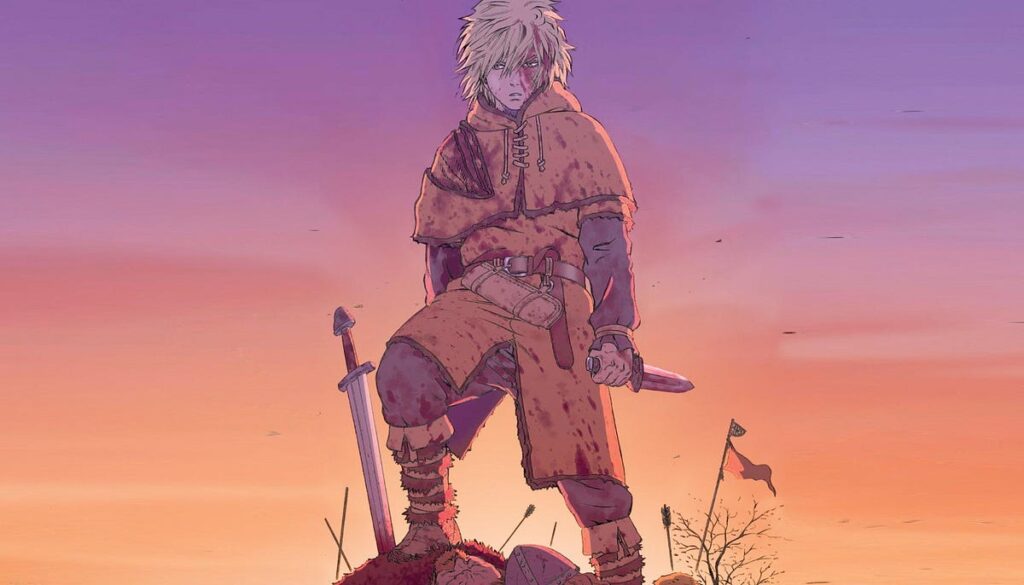
Vinland Saga succeeds because it respects both its source material and its historical backdrop. Unlike many anime that prioritize spectacle over substance, it uses historical accuracy as a tool to enrich storytelling, deepen character arcs, and explore philosophical questions. Characters like Thorfinn and Askeladd are compelling not just because of their personal journeys, but because they inhabit a world that feels authentic, where every action carries consequence.
The anime also demonstrates that historical accuracy and artistic expression are not mutually exclusive. By faithfully depicting Viking society while delivering emotionally charged narratives and stunning animation, Vinland Saga appeals to a wide audience—history buffs, anime enthusiasts, and anyone who appreciates stories that are both intellectually engaging and emotionally resonant.
Conclusion
In the crowded landscape of anime, Vinland Saga stands out as a testament to the power of historical authenticity in storytelling. Its careful attention to period detail, realistic depiction of violence, and nuanced exploration of Norse culture create an immersive and emotionally resonant experience. The characters, from the revenge-driven Thorfinn to the cunning Askeladd, are shaped by the historical context, making their struggles, triumphs, and moral dilemmas feel grounded and relatable.
By blending accurate historical representation with compelling narrative, Vinland Saga transcends typical action anime. It invites viewers to witness the Viking world in all its complexity, to feel the weight of history on its characters, and to reflect on universal themes that remain relevant today. In doing so, it proves that when history is portrayed with care and depth, it can elevate an anime from entertainment to an epic tale of human experience, leaving a lasting impression on all who watch.