
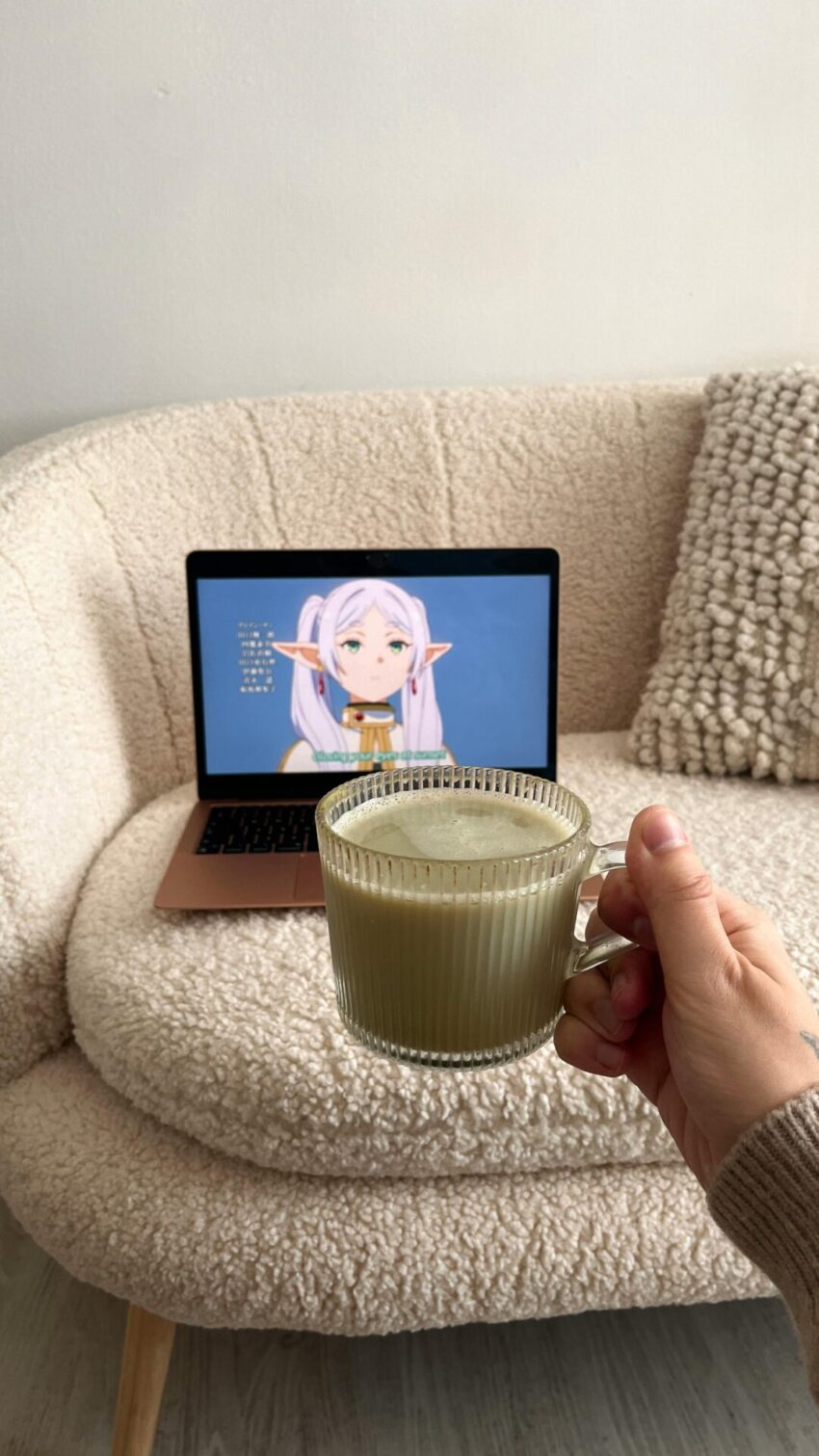
Anime has a unique rhythm when it comes to expressing emotion. Viewers often notice that characters seem restrained, subtle, or even quiet for long stretches, only to suddenly experience or display intense, almost overwhelming feelings. This pacing—where emotions arrive slowly and then explode all at once—is not accidental. It is a deliberate narrative and artistic choice that distinguishes anime from other storytelling mediums. This method of emotional delivery allows the audience to connect deeply with characters, building anticipation and heightening the impact of pivotal moments. Understanding why anime employs this emotional cadence requires examining cultural storytelling traditions, animation techniques, narrative structure, and the psychology of audience engagement.
The phenomenon also highlights the interplay between what is shown and what is left unsaid. Anime often emphasizes suggestion over direct expression, valuing subtle gestures, pauses, and lingering shots as much as dialogue or action. When emotion finally bursts forth, it carries the weight of everything that has been implied or withheld. This makes the release feel more intense, cathartic, and memorable. By manipulating the timing of emotional revelation, anime creators craft experiences that resonate on both intellectual and visceral levels, giving audiences the feeling that they have “earned” the emotional payoff.
The following sections explore the reasons behind this unique emotional pacing in anime, examining historical, cultural, and technical factors, as well as the effects on viewers’ perception and engagement.
Cultural Roots of Emotional Subtlety
The slow build of emotion in anime is deeply influenced by Japanese cultural norms around expression. Traditional Japanese society often values restraint, harmony, and indirect communication. Open displays of emotion, particularly in public or formal settings, have historically been discouraged. This cultural context informs anime characters, who frequently internalize their feelings and express them gradually or through subtle cues rather than overtly.
In literature and theater, these conventions have long been present. Classic Japanese forms such as Noh, Kabuki, and Bunraku rely heavily on suggestion, symbolism, and measured pacing. In Noh theater, for example, actors convey deep emotional states with minimal movement and slow, deliberate gestures. The audience interprets these restrained performances through a shared understanding of cultural symbols and contextual cues. Anime inherits this tradition by emphasizing internalization, quiet tension, and gradual emotional buildup. When characters finally reveal what they feel, the impact is amplified because it contrasts with the restraint that preceded it.
This cultural approach also manifests in everyday storytelling techniques like “ma,” the Japanese concept of negative space or pauses in action. In animation, silence, lingering shots, and unspoken reactions create room for interpretation and emotional resonance. Anime often allows audiences to inhabit the characters’ internal world, observing the quiet, almost imperceptible signs of developing emotions. When the long buildup reaches its climax, it feels inevitable yet surprising, reflecting a cultural appreciation for subtlety, anticipation, and the weight of delayed expression.
Moreover, Japanese storytelling frequently explores themes of unspoken longing, social obligation, and the tension between individual desire and group harmony. Characters may suppress emotions for days, months, or even years, creating situations where the eventual emotional release is both dramatic and cathartic. Anime uses this cultural lens to structure narratives around emotional accumulation, resulting in moments where feelings arrive “all at once” after careful buildup, mirroring real-life social dynamics.
Animation Techniques That Amplify Emotional Timing
The way anime is animated contributes directly to its distinctive emotional pacing. Unlike live-action media, where actors’ movements and vocal inflections carry much of the emotional weight, anime relies on visual shorthand, timing, and framing to communicate feelings. The animation process allows creators to manipulate the rhythm of scenes, extending moments of anticipation and making emotional releases feel more powerful.
One technique involves deliberate pacing and stillness. Many anime scenes linger on characters’ faces, eyes, or hands, emphasizing subtle changes in expression. Small details—like a slight quiver of the lips, a slow shift of the gaze, or a single tear—signal emotional tension building beneath the surface. These quiet moments often stretch over several seconds or even minutes in a scene, forcing the viewer to observe and internalize the emotion. When the character finally erupts in dialogue, action, or a more exaggerated expression, the contrast between stillness and motion magnifies the impact, making the moment feel explosive.
Exaggerated expression, another hallmark of anime, works in tandem with this subtle buildup. While characters may remain reserved for long periods, the eventual emotional display often involves dramatic body language, facial distortion, and intensified vocal delivery. This sudden shift from subtlety to exaggeration heightens the audience’s sense of catharsis. The combination of long, quiet buildup followed by intense expression is unique to animation because the medium allows precise control over timing, framing, and visual exaggeration in ways that live-action cannot always replicate.
Cinematography also plays a crucial role. Strategic use of close-ups, background simplification, and dynamic angles directs the viewer’s attention and emphasizes the emotional turning point. Slow pans across a character’s face or lingering shots of their surroundings build tension by giving audiences time to anticipate the emotional release. Music, sound design, and pacing synchronize with visual cues to reinforce this effect. By controlling both the micro-details of expression and the macro-structure of the scene, anime can make emotion arrive slowly and strike all at once, creating a multi-layered sensory experience.
Additionally, voice acting (seiyuu performance) complements this approach. Japanese voice actors are trained to convey restrained emotion in subtle tones, often pausing or modulating speech to indicate inner conflict or suppressed feelings. When the character finally expresses themselves fully, the shift in tone can be jarring and deeply moving. In combination with visual techniques, this layering of auditory and visual restraint followed by release creates the signature emotional rhythm of anime.
Narrative Structures that Encourage Emotional Accumulation
Anime storytelling often builds tension and emotional resonance over extended arcs, contributing to the sense that emotions arrive slowly and then suddenly. Unlike many Western narratives that may foreground emotional climaxes early or distribute them evenly, anime frequently employs long periods of subtle character development, internal struggle, and relational tension. This structural pacing allows emotional moments to feel earned, as viewers witness the incremental growth, hesitation, and restraint of characters over time.
Long-form anime series, in particular, take advantage of episodic storytelling to cultivate emotional accumulation. Characters may face repeated challenges, misunderstandings, or moral dilemmas that keep their true feelings suppressed. Each episode adds layers to interpersonal relationships and individual development. When a pivotal moment arrives—a confession, confrontation, or loss—it carries the weight of accumulated narrative context. Audiences experience the emotional release not just in isolation, but as the culmination of weeks or months of storytelling, heightening the intensity and resonance.
Even in shorter narratives, anime often emphasizes emotional accumulation through subtle visual and narrative cues. A quiet exchange, a lingering gaze, or a background motif may foreshadow feelings that are only explicitly revealed later. These delayed emotional beats rely on careful pacing, allowing the audience to sense what is developing beneath the surface. When the narrative finally converges in a highly charged moment, the emotional impact is magnified by the sense of inevitability built through prior subtlety.
Moreover, anime frequently explores internal conflict and psychological nuance. Characters may struggle with guilt, shame, or social expectations, suppressing outward expression. This internalization is often mirrored in narrative pacing, where plot events gradually push characters toward confrontation or revelation. The slow, deliberate buildup makes the eventual emotional release feel authentic, reflecting the complexity of real human emotion rather than providing constant peaks of drama.
This approach also creates opportunities for shared emotional engagement between the character and the audience. Viewers become attuned to small signs of internal struggle, fostering empathy and investment. When the character finally expresses their emotions openly, the shared anticipation intensifies the audience’s experience. By structuring stories to prioritize gradual accumulation over immediate expression, anime achieves emotional resonance that is both subtle and powerful.
Conclusion: The Art of Emotional Timing in Anime
Anime’s unique approach to emotion—where feelings arrive slowly and then all at once—is a product of cultural tradition, animation techniques, narrative structure, psychological insight, and deliberate use of silence and space. This pacing allows for subtle accumulation, anticipatory engagement, and cathartic release, creating a distinctive emotional experience that resonates with viewers long after the scene ends. The combination of restrained buildup and explosive expression mirrors both cultural norms and human psychological patterns, making the emotional moments feel authentic, memorable, and impactful.
By integrating careful character development, visual subtlety, precise timing, and narrative accumulation, anime creates a rhythm of emotion that distinguishes it from other forms of media. The slow burn followed by sudden eruption engages audiences on multiple levels, fostering empathy, anticipation, and catharsis. Whether in tearful confessions, moments of rage, or quiet realization, anime demonstrates that emotion is often most powerful when it simmers beneath the surface before erupting in a flood of feeling. This careful orchestration of emotional timing is not merely stylistic; it is central to why anime continues to captivate audiences worldwide, blending artistry, psychology, and cultural resonance into unforgettable storytelling.