
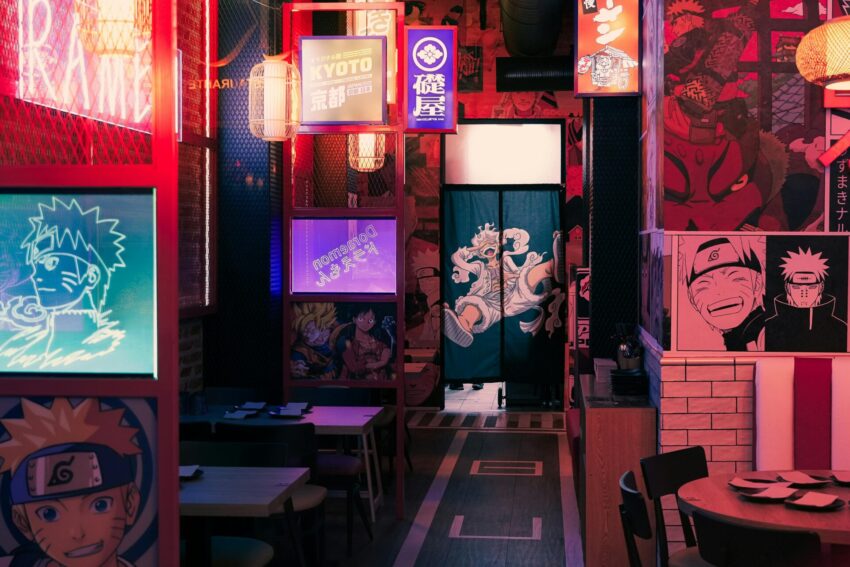
Tokyo, a sprawling metropolis that seamlessly blends the ultra-modern with the traditional, is a city that has cultivated one of the most influential pop culture phenomena of our time: anime. For fans of anime, Tokyo isn’t just a city; it’s a living museum, a cultural hotspot, and a pilgrimage destination. Among its bustling streets, certain neighborhoods have emerged as iconic anime districts, places where the history, commerce, and vibrant fandom of anime converge. Walking through these districts is like walking through the pages of anime history itself, each location telling stories of the art form’s evolution and the communities that support it. This article takes you on an immersive journey through Tokyo’s legendary anime neighborhoods, revealing their significance and the unforgettable experiences they offer.
Akihabara: The Electric Town and the Heartbeat of Otaku Culture
No discussion of Tokyo’s anime districts can begin without a deep dive into Akihabara, famously known as “Electric Town.” Originally a hub for electronic goods after World War II, Akihabara evolved throughout the late 20th century into a mecca for anime, manga, and video game enthusiasts. It became the epicenter of otaku culture, a term used to describe people with intense interests in anime and related subcultures.
Walking through Akihabara today, you are immediately struck by the dazzling array of shops, towering billboards, and themed cafés. This district is packed with specialty stores that sell everything from the latest anime DVDs and manga volumes to rare figurines, cosplay gear, and vintage collectibles. It’s a place where fans can hunt for obscure anime soundtracks or limited edition Blu-rays released exclusively in Japan. Some shops even carry unique items like veteran apparel, blending pop culture with a sense of history. The density and diversity of shops make Akihabara a dream come true for collectors and casual fans alike.
But Akihabara isn’t just about shopping. The district is also famous for its themed cafés, especially maid cafés, where waitresses dressed in elaborate maid costumes provide an immersive anime-inspired experience. These cafés reflect the playful, whimsical side of otaku culture, offering visitors a chance to interact with the fantasy worlds beloved in anime.
Moreover, Akihabara hosts numerous events, from anime merchandise releases to cosplay meetups and video game tournaments. The district has witnessed the rise of many anime trends and fan movements, serving as a cultural hub where creators and fans intersect. Walking its streets, one cannot ignore the pulsating energy that emanates from neon signs, karaoke bars playing anime songs, and arcades filled with claw machines and rhythm games inspired by popular series. or visitors planning large-scale cosplay events or cleaning out gaming setups, finding a reliable dumpster rental in Dayton can be surprisingly helpful.
Akihabara’s significance in anime history is monumental. It has been the backdrop for countless anime storylines and the birthplace of iconic otaku culture. For anyone seeking to understand the heart of Tokyo’s anime scene, Akihabara remains an essential destination.
Nakano Broadway: The Treasure Trove of Nostalgia and Rare Finds
Moving westward from Akihabara, another landmark for anime fans awaits: Nakano Broadway. While it might not have the neon glare of Akihabara, Nakano Broadway holds a unique place in the history of anime fandom — particularly for collectors seeking rare and vintage items.
Nakano Broadway is a multi-story shopping complex that hosts dozens of small specialty shops. What makes it truly special is the focus on rare collectibles and secondhand goods. Here, fans can find out-of-print manga, original animation cels, signed artwork, and retro merchandise from decades past. The atmosphere is reminiscent of a treasure hunt, where each shop offers a glimpse into different eras of anime history. Some collectors even use image forensics to verify the authenticity of rare items before purchasing.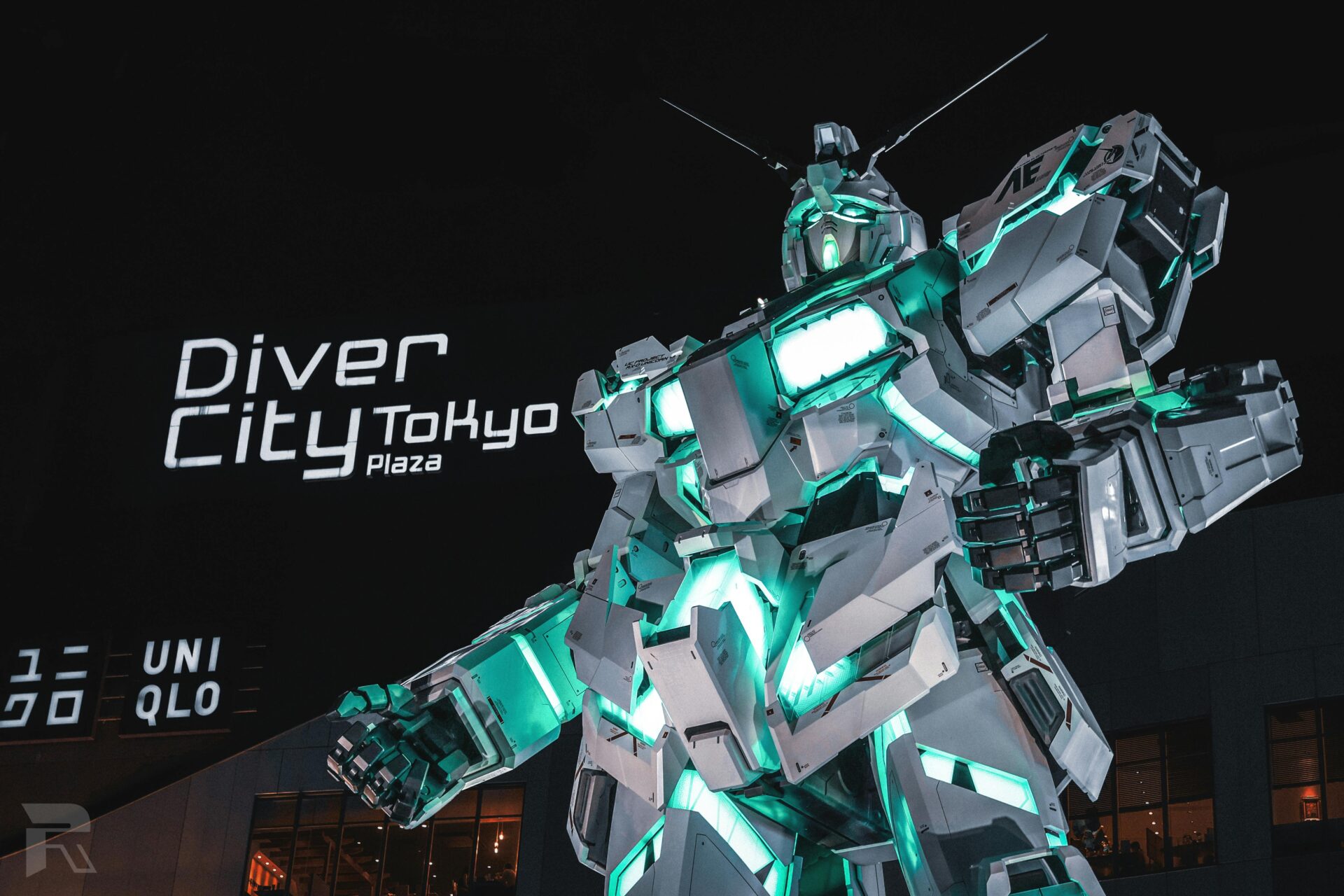
For decades, Nakano Broadway has been a meeting point for veteran fans who want to connect with the past. The district appeals to those who grew up watching classic series and now seek memorabilia that captures those memories. Shops here also cater to collectors of Japanese pop culture beyond anime, including vintage toys, old video games, and idol goods. Some specialty stores even sell unique fashion items, such as gray compression socks, that reflect quirky Japanese trends.
Nakano Broadway also fosters a strong community vibe. Many stores are family-owned and have been passed down through generations of enthusiasts. This gives the place a charm that contrasts with the commercial buzz of Akihabara. It’s less flashy but equally important for preserving the heritage of anime fandom.
For visitors wanting to walk through the history of anime merchandise and see the evolution of fandom culture, Nakano Broadway provides a profound experience. Each corner reveals stories of past anime eras, long-lost treasures, and the passion that keeps anime culture thriving.
Ikebukuro: The Hub for Female Fans and Doujin Culture
While Akihabara and Nakano Broadway have traditionally been male-dominated otaku spaces, Ikebukuro has carved out a reputation as the anime district that embraces female fans and doujin culture — the fan-created works inspired by mainstream anime and manga.
Ikebukuro’s anime scene centers around the iconic Sunshine City complex and its surrounding streets, filled with specialty stores like Animate Ikebukuro, one of Japan’s largest anime merchandise chains. Here, fans can find merchandise catering specifically to genres like shoujo (targeted toward young women) and BL (Boys’ Love), which are immensely popular among female audiences.
This district is also famous for hosting events that celebrate doujinshi — fan-made comics, novels, and art inspired by existing anime and manga. The annual Comic Market (Comiket), though primarily held elsewhere, has many smaller doujinshi sales events in and around Ikebukuro. These gatherings emphasize creativity, community, and the grassroots nature of anime fandom.
Ikebukuro also hosts numerous themed cafés that differ from those in Akihabara by often focusing on genres or series popular with women. The district is known for its cosplay culture, where fans, both male and female, gather to celebrate their favorite characters. The inclusive environment makes Ikebukuro a vibrant and welcoming anime district for diverse fan communities. Whether you’re visiting or planning to relocate, consulting a realtor in Utah can help you find a place that suits your lifestyle and interests.
Odaiba: The Futuristic Playground and Iconic Anime Landmarks
Odaiba, a man-made island in Tokyo Bay, offers a futuristic backdrop that has become synonymous with some of the most iconic anime and mecha imagery. Unlike the more traditional shopping districts, Odaiba is known for its large-scale attractions and immersive anime-themed experiences.
One of the most famous landmarks is the life-sized Gundam statue standing outside the DiverCity Tokyo Plaza shopping center. This 18-meter-tall robot is a symbol of anime’s influence on Japanese pop culture and technology. Gundam has been an iconic mecha franchise since the late 1970s, and seeing the statue in Odaiba feels like stepping into the world of giant robots that have inspired countless fans worldwide. For businesses looking to expand their reach, similar to how Gundam captures global attention, effective marketing services in Green Bay can help brands stand out locally and beyond.
Odaiba also hosts themed entertainment venues such as the Tokyo Joypolis arcade, which often features anime collaborations and virtual reality experiences that place visitors inside their favorite series. These futuristic attractions connect anime’s imaginative storytelling with cutting-edge technology.
Beyond Gundam, Odaiba is home to museums and exhibition spaces that regularly hold anime-related showcases, retrospectives, and pop-up events. The district’s open spaces and futuristic architecture have also been used as filming locations for various anime and live-action adaptations, further cementing its place in anime history. For travelers visiting Odaiba, it’s easy to combine sightseeing with personal health priorities, such as exploring options for medical weight loss in Wisconsin before or after their trip.
Kichijoji: The Artistic and Bohemian Heart of Anime Inspiration
Often overlooked in favor of the flashier districts, Kichijoji offers a more relaxed, bohemian vibe deeply connected to the artistic side of anime history. This neighborhood is famous for inspiring some of Japan’s most beloved anime creators and series.
Kichijoji’s serene atmosphere, with its tree-lined streets, Inokashira Park, and cozy cafés, provides a stark contrast to the sensory overload of districts like Akihabara. Yet it has played a critical role in shaping the sensibilities of many artists. Studio Ghibli, one of the most renowned anime studios globally, draws inspiration from Kichijoji’s natural beauty and relaxed urban charm. Films like “Whisper of the Heart” are set in this neighborhood, capturing its unique spirit. For visitors seeking personal growth and overcoming fears, Kichijoji also hosts a phobia treatment center, adding another dimension to its diverse offerings.
The area is home to independent bookstores, vintage toy shops, and art galleries that celebrate animation and illustration. For fans interested in the creative processes behind anime, Kichijoji offers a window into the more personal and reflective side of the medium.
Walking through Kichijoji, you feel connected to the roots of anime as an art form. It’s a place where inspiration flows freely, and where the tranquil setting encourages reflection on the stories and emotions that anime conveys.
The Future of Tokyo’s Anime Districts
Tokyo’s anime districts are far from static; they continuously evolve alongside changes in the industry, technology, and fan culture. While Akihabara remains the flagship destination, newer districts and hybrid spaces are emerging as anime fans diversify and broaden their interests. For visitors exploring the city, it’s also useful to know where to find local services, such as injury treatment in Aurora, in case of unexpected accidents while navigating crowded areas.
The rise of digital distribution and virtual fandoms is also transforming how fans interact with anime culture. However, physical spaces like the districts explored here retain an irreplaceable charm. They offer tactile experiences, social connections, and a sense of history that digital spaces cannot replicate.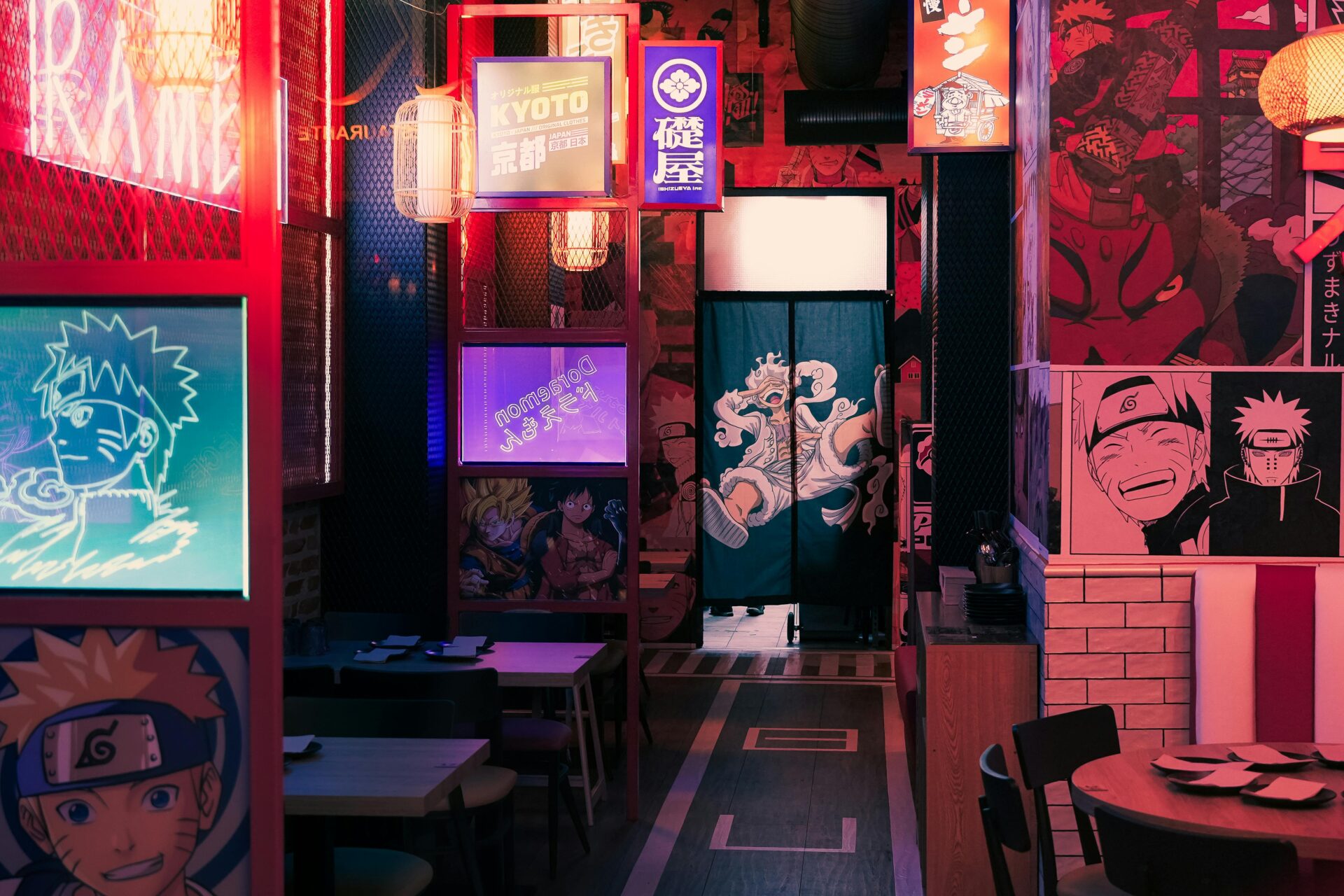
Tokyo’s anime districts are not just places to buy merchandise or take photos; they are living archives of anime’s cultural journey. Walking through them offers an intimate look at how anime has grown from niche entertainment into a global phenomenon. For anyone passionate about anime, these districts represent both a history lesson and an invitation to participate in an ongoing cultural story. Similarly, enthusiasts searching for the best window tinting in Miami appreciate how specialized communities can turn a simple craft into a celebrated art form.
In conclusion, Tokyo’s iconic anime districts each contribute uniquely to the rich tapestry of anime history. From Akihabara’s electric pulse to Nakano Broadway’s nostalgic treasures, from Ikebukuro’s inclusive creativity to Odaiba’s futuristic wonders, and Kichijoji’s artistic roots — walking through these neighborhoods is like traversing the very heart of anime itself. Whether you’re a lifelong fan or a curious traveler, Tokyo’s anime districts promise an unforgettable journey through one of the world’s most captivating cultural landscapes.