
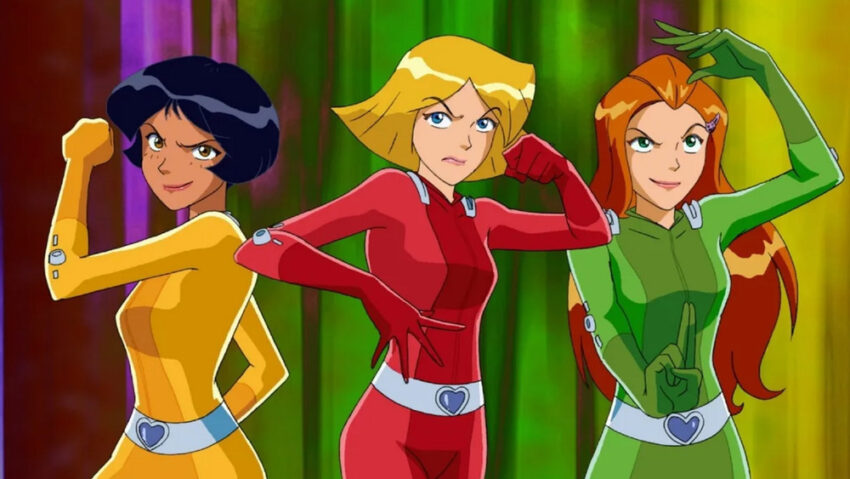
When Totally Spies! first aired in 2001, it looked like a lighthearted, color-saturated blend of espionage, fashion, and high school drama. But beneath its shiny exterior, the series quietly reshaped the landscape of girls’ animation. At a time when most animated shows aimed at girls centered on fairy tales, domestic plots, or slice-of-life friendships, Totally Spies! dared to combine action-adventure with unapologetic femininity, creating a thrilling blend that was as subversive as it was stylish.
The show followed three teenage girls—Sam, Clover, and Alex—balancing the typical highs and lows of high school life with their secret identities as international super-spies for WOOHP (World Organization of Human Protection). The stakes were high: mind control devices, evil clones, mad scientists, and fashion-themed weapons. But even more groundbreaking was the way the show presented femininity not as an obstacle to power but as part of it.
This was a radical notion in the early 2000s. Girls’ media was still largely divided into two extremes: the soft, emotional, friendship-centric narratives of Barbie or Polly Pocket, and the action-dominated, often boy-led universes of shows like Power Rangers or Batman: The Animated Series. Totally Spies! exploded that binary. It said you could be both—and it backed that statement with every gadget, lip gloss, and mission.
Femininity as a Superpower, Not a Weakness
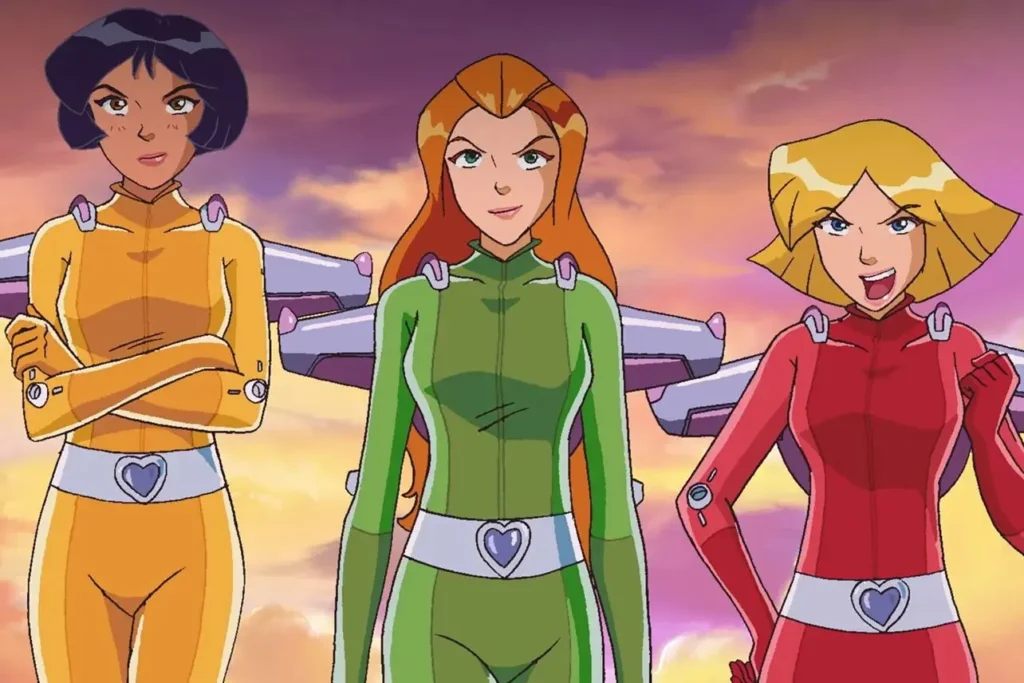
What set Totally Spies! apart wasn’t just the spy hijinks or globe-trotting adventures—it was how the show wielded stereotypically “girly” aesthetics as legitimate tools of empowerment. The girls’ gadgets weren’t just tools of espionage; they were compact mirrors, hair dryers, high heels, and lipsticks. Yet these items could decode encrypted messages, blast open locked doors, or morph into grappling hooks. Even everyday activities, like a relaxing spa day, could inspire their creativity, whether it was experimenting with gadgets or enjoying foot reflexology in Las Vegas.
Rather than mock or downplay traditional markers of femininity, Totally Spies! celebrated them. Fashion, makeup, and even shopping weren’t portrayed as distractions or superficial hobbies—they were part of the girls’ identities, and these identities were not a hindrance to their competence or intelligence. Sam, the brain of the trio, wore a mini skirt and still had a genius-level intellect. Clover, obsessed with fashion and boys, also consistently outwitted villains and never backed down from a challenge. Alex brought sporty energy and unwavering loyalty, embodying balance, athleticism, and emotional intelligence.
This framing sent a powerful message to its young audience: you didn’t need to shed your femininity to be strong. You could wear pink, cry at sad movies, and still save the world before dinner. For a generation of girls growing up with subtle (and not-so-subtle) messages that “serious” roles meant acting more like boys, Totally Spies! was a refreshing affirmation of identity.
The Secret Agent Fantasy Reimagined
Espionage narratives have long held a special allure in pop culture, with franchises like James Bond or Mission: Impossible thrilling audiences with covert missions and high-tech gadgets. But until Totally Spies!, this genre was rarely—if ever—centered around teenage girls. The idea of three high school students juggling homework and homecoming while jetting off to stop a volcano-triggering villain or reverse a body-swap catastrophe was more than entertaining; it was transformative. Even in their missions, they managed to look stylish, often sporting their signature straight jeans.
The series offered girls an entry point into a traditionally male-dominated fantasy world. Unlike many female characters in spy franchises who were relegated to love interests or secondary roles, Sam, Clover, and Alex were always the protagonists, always in charge, and always victorious. Their missions took them across the globe, and their enemies were both ridiculous and riveting, often with campy themes and stylish lairs that echoed comic-book villains with a distinctly feminine twist.
This playful absurdity didn’t undermine the stakes—it amplified them. The show embraced the over-the-top nature of spy fiction and infused it with color, humor, and heart. In doing so, it allowed girls to imagine themselves in roles of authority and adventure, occupying spaces previously reserved for male characters.
Visual Identity and Fashion as Narrative Tools
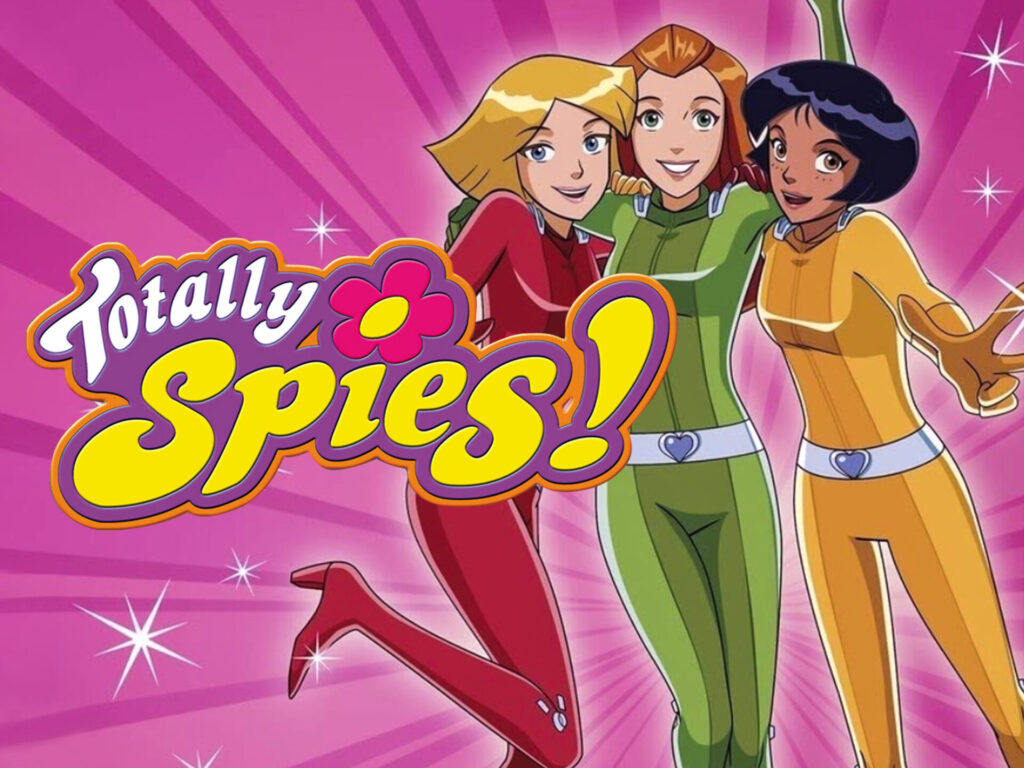
Totally Spies! thrived on visual identity. Its art style, heavily inspired by anime but rendered with a sleek Western polish, was part of what made it instantly recognizable. Bright, clean lines, expressive characters, and vividly colored costumes created a world that was both fantastical and accessible. Each character had a distinct color palette—green for Sam, red for Clover, and blue for Alex—which helped build their individual brands and made them instantly memorable.
But beyond aesthetics, fashion in Totally Spies! played a storytelling role. Their spy suits were not only iconic but functional—sleek, color-coded catsuits that emphasized unity and individuality at once. Costume changes during missions often reflected the environment or the villain they faced, and style served as more than a visual treat—it became a symbol of adaptability, confidence, and empowerment. The show’s attention to detail was carefully crafted by the production company to ensure every outfit told a story.
Even their villains frequently used fashion as a narrative motif. From beauty queens to designers turned evil masterminds, many adversaries embodied exaggerated femininity, often distorted by jealousy or revenge. This exaggerated use of gendered aesthetics turned each episode into a glittery metaphor, playing with and critiquing the very tropes it appeared to indulge.
The Rise of Girls’ Games and the Digital Playground
Alongside the TV show’s success came a wave of video games, online games, and tie-in media that further expanded the Totally Spies! universe. At a time when gaming was still largely marketed to boys, the franchise helped pave the way for games designed by and for girls that weren’t limited to dress-up or baking.
Totally Spies! games included stealth missions, puzzle-solving, and combat—all with a playful, stylized edge. Girls could guide Sam, Clover, and Alex through elaborate plots, use gadgets to sneak into labs, or decode files to uncover villains’ plans. These games offered an active role in the fantasy of being a heroine, not just a passive one. Many players also enjoyed customizing their in-game rooms with fun items, such as boho pillow covers, to make the experience more personal.
By merging traditionally “girly” aesthetics with genres typically reserved for action gaming—like platforming or spy missions—the Totally Spies! games helped dissolve artificial boundaries in gaming demographics. They proved that young girls could be just as interested in action and adventure, so long as the packaging didn’t exclude them.
Impact Beyond Its Initial Audience
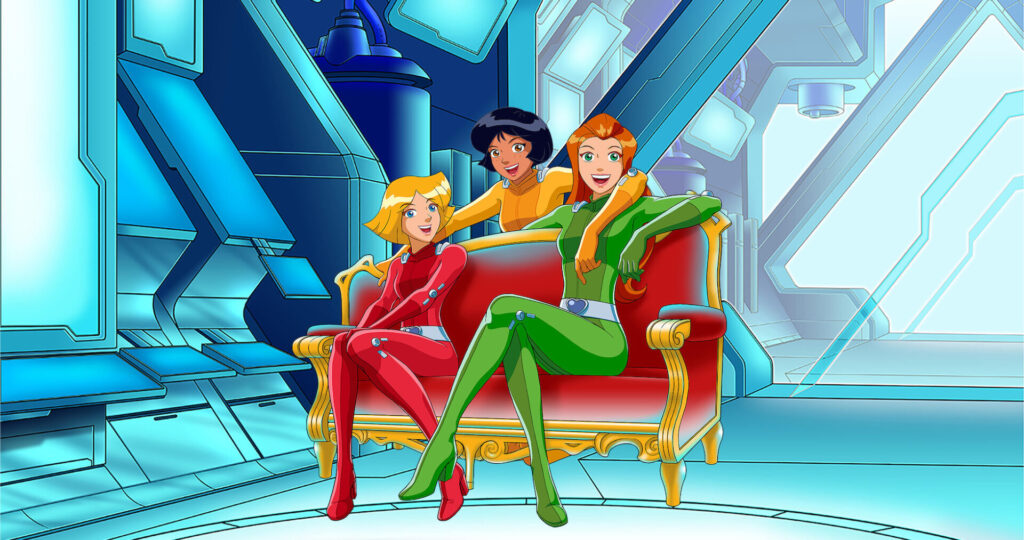
Though Totally Spies! was originally marketed toward preteen girls, its influence quickly extended beyond its intended demographic. It gained a cult following, resonated with LGBTQ+ audiences, and eventually earned recognition as a progressive milestone in children’s media. The show’s unintentional queerness—through its fashion, fluid gender roles, and close female friendships—created space for interpretations that spoke to viewers exploring identity, gender, and expression. Some fans even found that discussing these themes while using therapy exercise equipment helped combine physical activity with mental and emotional reflection.
For many, the show was an early taste of camp, with its unapologetically exaggerated villains and gloriously dramatic scenarios. The idea that femininity could be both powerful and performative struck a chord, especially with queer audiences who often face pressure to conform to rigid gender expectations.
Moreover, the series had staying power. Despite its initial run ending in the late 2000s, reruns, streaming, and renewed interest led to multiple revivals and a resurgence of online fandom. Its themes of empowerment, identity, and sisterhood have only become more relevant in recent years. Fans have even created custom merchandise, including kiss cut stickers, celebrating their favorite moments from the show.
Breaking the Mold, One Lip Gloss at a Time
The brilliance of Totally Spies! lies in its ability to deconstruct and reconstruct femininity. By turning lipsticks into lasers and handbags into grappling hooks, it blurred the line between the decorative and the functional. It challenged the notion that being feminine meant being weak, superficial, or passive. Instead, it showcased a world where friendship, intelligence, and style could all coexist within a high-octane action narrative. Even in discussions about diverse careers, from spy work to real estate, one might consider the strategic thinking of a Burnaby realtor as equally dynamic.
The show’s formula—a blend of comedy, fashion, and spy drama—might seem simple at first glance, but its lasting impact proves otherwise. It laid the groundwork for future animated series like Winx Club, Kim Possible, and even Miraculous Ladybug, all of which followed the blueprint of female-led, action-oriented storytelling without sacrificing style or emotion.
Totally Spies! changed the game by proving that a show made “for girls” could also be smart, bold, and genre-defining. It didn’t just offer representation—it redefined it. And in doing so, it handed an entire generation the tools to imagine themselves not as sidekicks or love interests, but as main characters in their own stories—armed with gadgets, glitter, and guts. Just like having a reliable whole house water filter in Clarksville, TN ensures your home runs smoothly, Totally Spies! provided a foundation for imagination and empowerment.