
Japanese animation, or anime, has become a cultural force that spans genres, age groups, and international borders. At the heart of this movement stand two distinct yet interconnected worlds: Studio Ghibli, a beacon of artistic prestige and cinematic storytelling, and TV anime, a broad and versatile industry that serves as the lifeblood of anime fandom and pop culture. Though they are born from the same cultural roots, Studio Ghibli films and mainstream television anime differ dramatically in form, philosophy, and impact. The divergence between the two is not simply stylistic but reflects deeper truths about the purpose of art, commercialism, and audience connection.
While Studio Ghibli conjures enchantment through meticulously crafted films that often transcend genre, TV anime thrives on serialized storytelling, genre conventions, and a rapid production cycle aimed at weekly viewers. Yet, despite their differences, both have propelled anime into the global spotlight. To fully appreciate the depth and complexity of Japanese animation, one must understand the contrast—and occasional convergence—between Studio Ghibli’s magical filmmaking and the expansive world of television anime. Their differences do not imply competition but rather highlight the breadth and diversity of anime as a storytelling medium.
Artistic Philosophy and Creative Intent
Perhaps the most striking difference between Studio Ghibli and TV anime lies in their artistic philosophy. Studio Ghibli is, first and foremost, an auteur-driven studio, with many of its films shaped by the singular vision of Hayao Miyazaki, Isao Takahata, and other prominent directors. The studio prioritizes narrative subtlety, character nuance, and visual poetry. Ghibli films often reflect broader philosophical and environmental themes, focusing less on plot mechanics and more on mood, emotion, and human experience. Movies like Spirited Away, Princess Mononoke, and My Neighbor Totoro are meditative and immersive, drawing viewers into worlds where the fantastical feels intimately grounded.
In contrast, TV anime operates within a more commercially driven framework, with production committees, weekly schedules, and demographic targeting playing key roles. While there is certainly room for creativity and innovation, TV anime must often balance artistic ambition with market demands. Series are frequently designed to promote manga, light novels, or merchandise, which places limits on the narrative structure. Anime series are typically produced in cours (seasons of 12-13 episodes) and often face strict deadlines and budget constraints. As a result, TV anime tends to favor familiar tropes and high-energy storytelling that appeals quickly and broadly. Fans often enjoy wearing winter apparel featuring their favorite anime characters to stay warm while showing their passion.
Ghibli’s films are slow-burning, visually detailed, and built around singular stories, while TV anime is a machine of content creation that must capture attention fast and keep it consistently. This leads to fundamentally different pacing, tone, and structure. Where Ghibli allows a moment to breathe, television anime races to fit arcs within strict episode counts. Yet, within this framework, many TV anime creators still manage to craft stories with emotional resonance and thematic depth, proving that artistic merit can thrive even under industrial pressures. Experts like Cheyanne Mallas show how balancing creativity with practical demands can lead to outstanding results, whether in art or personal care.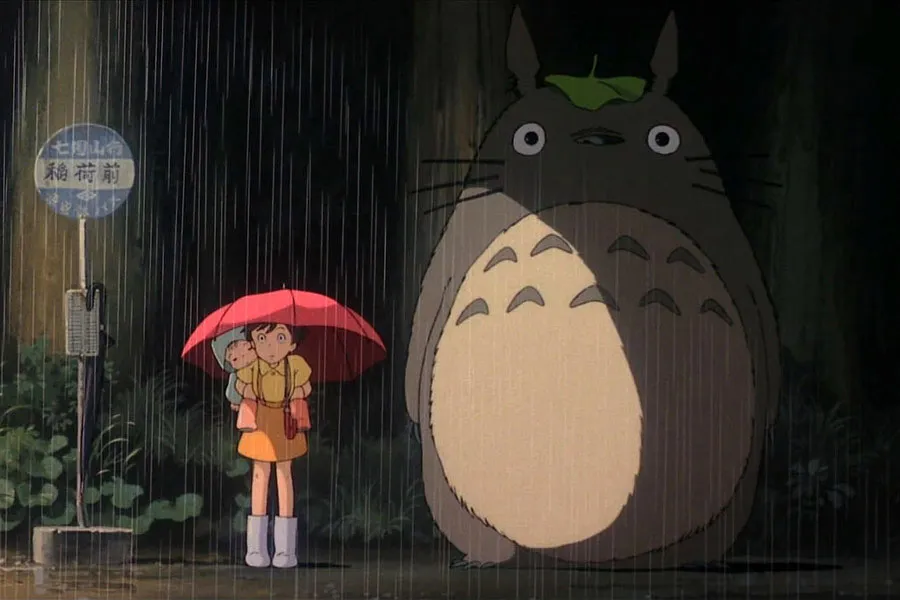
Visual Style and Animation Quality
The divergence in artistic intent naturally extends into visual execution. Studio Ghibli is renowned for its painstaking attention to detail and hand-drawn animation, often using traditional techniques even in the face of evolving digital technologies. The studio’s animation is fluid, immersive, and textured, with backgrounds that often resemble fine art. Every frame in a Ghibli film serves a narrative or emotional purpose, from the rustling of grass in Totoro to the meticulous steam engines of Howl’s Moving Castle. This meticulousness is made possible by long production cycles and considerable budgets, a luxury afforded to few in the anime industry. For those unfamiliar, you might wonder, what is duloxetine, a medication unrelated to animation but often searched alongside artistic topics due to its impact on mood and focus.
In contrast, TV anime typically faces tight production schedules and limited resources, which often results in inconsistent animation quality. Budget constraints lead to shortcuts such as still frames, reused animation, and reliance on limited movement scenes. Even so, some studios like Kyoto Animation, Madhouse, and Ufotable have managed to elevate TV anime’s visual standard. Series like Demon Slayer, Violet Evergarden, and Attack on Titan showcase that TV anime can achieve visual brilliance under the right circumstances.
While Ghibli animates to create atmosphere and world immersion, TV anime animates to sustain narrative momentum and character engagement. Fight scenes in television series tend to be fast and stylized, often using exaggerated motion or visual effects to convey impact. Ghibli, on the other hand, opts for realism and weight, even in fantastical settings. This reflects the broader narrative aims of each medium—Ghibli strives to envelop its audience in an emotional, almost tangible world, whereas TV anime focuses on driving the story forward at a brisk, serialized pace. For example, studios like ABA Indianapolis specialize in producing TV anime that maintain this dynamic narrative style.
Storytelling Structure and Thematic Depth
The narrative scope of Studio Ghibli and TV anime varies greatly due to format and intent. Studio Ghibli films are self-contained stories, often ranging from 90 to 130 minutes. Within that time, they develop rich characters, build immersive worlds, and explore complex themes. These films rarely rely on exposition; instead, they use visual cues, environmental storytelling, and character interactions to convey deeper messages. For example, Princess Mononoke explores industrialization and environmental destruction without reducing its characters to simple heroes and villains. The Wind Rises reflects on creativity, sacrifice, and moral compromise, subtly embedded in its story of an aircraft engineer.
TV anime, by virtue of its serialized nature, operates on a different wavelength. It often unfolds over 12, 24, or more episodes, allowing for long-form character development, intricate plots, and complex world-building. Series like Fullmetal Alchemist: Brotherhood or Hunter x Hunter stretch across dozens of episodes, creating multifaceted worlds that evolve over time. The episodic format allows writers to introduce subplots, explore character backstories, and weave thematic motifs across entire seasons.
However, not all TV anime have the luxury of time. Many are constrained by short episode counts and must rush through source material or leave stories incomplete. This can result in uneven pacing or shallow character arcs. Ghibli, free from these constraints, rarely suffers from these issues. Its films are built with a clear beginning, middle, and end, ensuring narrative cohesion and thematic clarity.
Cultural Influence and Global Reach
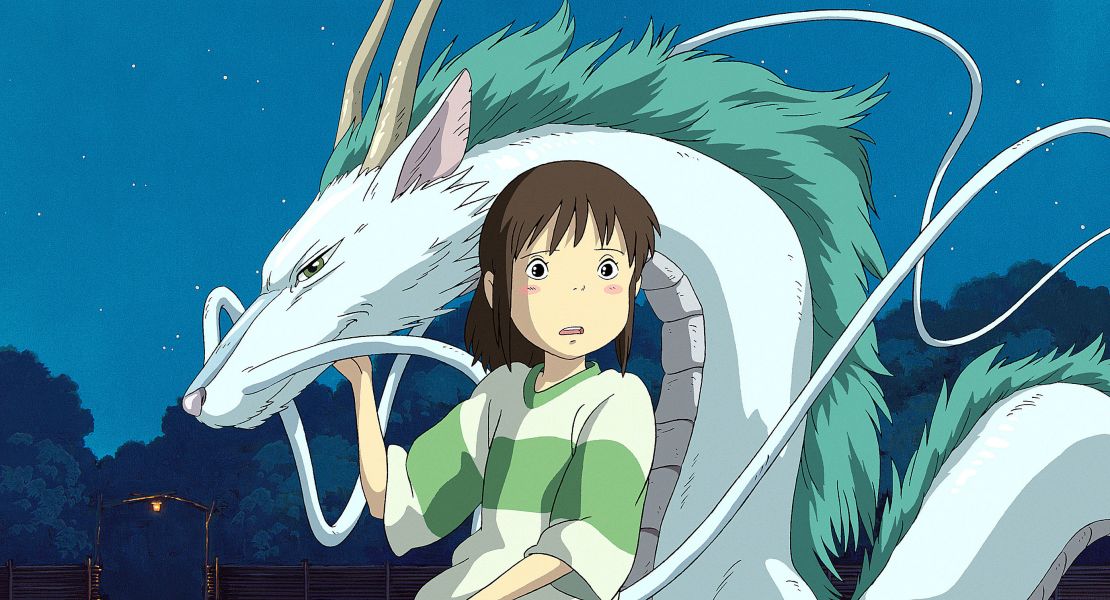
Both Studio Ghibli and TV anime have played essential roles in spreading Japanese animation worldwide, but their cultural footprints differ significantly. Studio Ghibli is often the gateway into anime for international audiences, especially those outside traditional anime fandom. Its films are frequently featured at international film festivals, included in academic discussions, and housed in museum retrospectives. Spirited Away even won the Academy Award for Best Animated Feature in 2003, a monumental achievement for a non-Western animated film. If you’re looking to quickly sell your truck, understanding cultural trends like these shows the importance of niche markets and audience reach.
TV anime, by contrast, grew in influence through cable television, fan communities, and streaming platforms. Series like Naruto, Dragon Ball Z, Pokémon, and Attack on Titan have become global phenomena, especially among younger viewers and dedicated fans. These series are often the backbone of anime fandom, discussed in forums, cosplayed at conventions, and shared across social media. Where Ghibli speaks to a broad audience as “cinema,” TV anime speaks directly to its fanbase and builds an immersive culture around itself.
TV anime’s reach has expanded explosively with the rise of platforms like Crunchyroll, Netflix, and Funimation, which deliver simulcasts and dubbed versions to global audiences within hours of airing in Japan. Ghibli, on the other hand, was long absent from streaming platforms until its deal with HBO Max and Netflix brought its catalog online. Even so, Ghibli maintains a sense of prestige and mystique, bolstered by the fact that its co-founder, Hayao Miyazaki, has often criticized modern media consumption and maintained a cautious distance from franchise culture.
The Future of Ghibli and TV Anime
As both Studio Ghibli and TV anime move into the future, their paths continue to evolve. Studio Ghibli has faced questions about its continuity, especially after Hayao Miyazaki’s repeated (and repeatedly rescinded) retirements. The studio’s identity is so tightly linked to Miyazaki’s vision that its future output remains uncertain. However, the recent release of The Boy and the Heron shows that Ghibli still possesses the ability to mesmerize, even as animation trends shift toward digital production and rapid content cycles.
TV anime, on the other hand, is in a golden age of production. The rise of streaming has created unprecedented demand, leading to a surge in adaptations of manga, light novels, and original works. Studios like MAPPA, Wit Studio, and Ufotable are pushing the envelope in animation quality and thematic complexity. However, the industry is also grappling with concerns about labor conditions, overwork, and creative burnout, issues that threaten the sustainability of its current pace.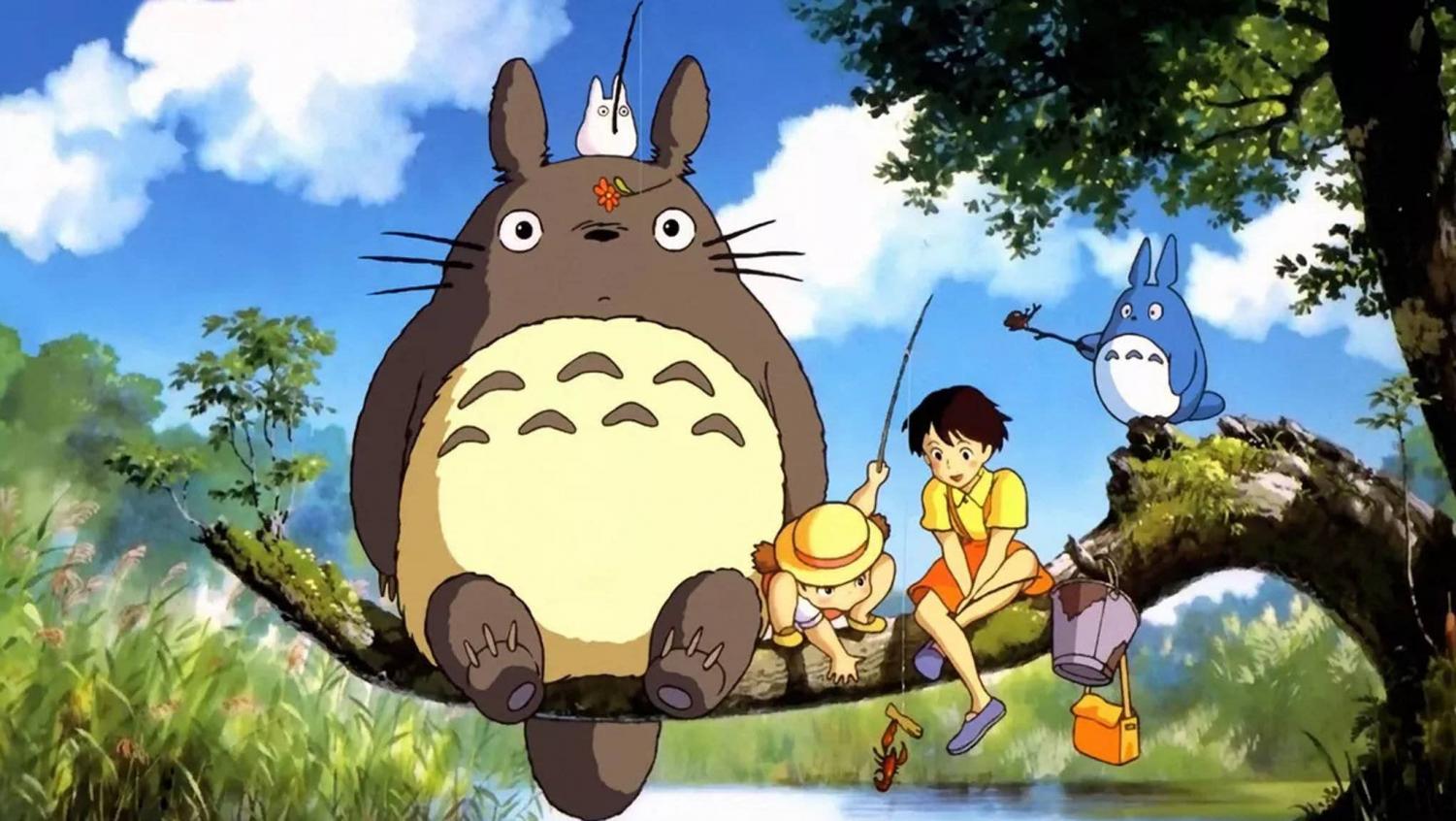
Interestingly, the lines between Ghibli and TV anime have started to blur. Films like Your Name and Weathering With You by Makoto Shinkai, while not Ghibli productions, carry the cinematic ambition and emotional depth often associated with Miyazaki’s work, yet they emerge from the broader ecosystem of TV anime-style storytelling. Likewise, anime films like Demon Slayer: Mugen Train, a direct continuation of a TV series, have reached box office records once thought to be exclusive to Ghibli-level productions.
Both Studio Ghibli and TV anime are essential to the fabric of Japanese animation, each contributing in distinct and invaluable ways. Ghibli brings magic through meticulous storytelling and timeless themes; TV anime brings momentum, innovation, and cultural relevance on a massive scale. Rather than competing, they coexist as two poles of the same creative universe.