
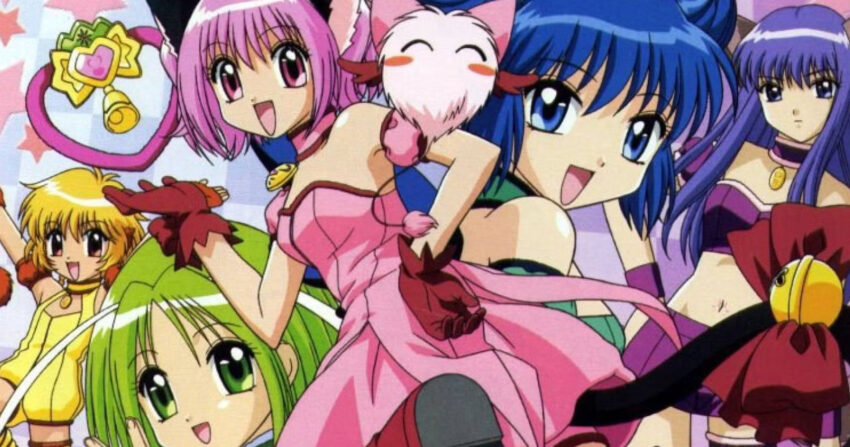
When discussing early 2000s shoujo anime and manga, few titles are as iconic as Tokyo Mew Mew. Often grouped with genre-defining magical girl series such as Sailor Moon and Cardcaptor Sakura, Tokyo Mew Mew brought a unique blend of environmentalism, animal-themed superpowers, and a colorful cast of heroines that resonated with fans around the world. Over the years, the franchise has seen multiple iterations, adaptations, and a significant reboot, each contributing to its enduring legacy. In this article, we explore the full arc of Tokyo Mew Mew‘s evolution: from its original manga roots to the 2002 anime and its 2022 reboot, Tokyo Mew Mew New.
The Birth of Tokyo Mew Mew: Manga Origins
Tokyo Mew Mew first debuted as a manga in the Nakayoshi magazine, a staple for young girls in Japan. Written by Reiko Yoshida and illustrated by Mia Ikumi, the manga ran from 2000 to 2003, eventually being collected in seven tankōbon volumes. The story follows Ichigo Momomiya, a typical teenage girl who, after an encounter at an endangered species exhibit, gains the DNA of the Iriomote wildcat. She becomes the leader of a group of girls who each have their DNA fused with an endangered animal, forming the superheroine team known as the Mew Mews.
The manga was celebrated for its charming art style, strong friendship themes, and environmentally conscious message. Each of the girls—Mint Aizawa, Lettuce Midorikawa, Pudding Fong, and Zakuro Fujiwara—had distinct personalities and powers tied to real-world endangered animals, a creative decision that subtly educated young readers about wildlife conservation. While the romantic subplot between Ichigo and Masaya Aoyama was central, the manga balanced action, humor, and heartfelt moments in a way that appealed to a wide audience. Stories that resonate with younger audiences often find a place in children’s ministry, where creativity and values are taught hand in hand.
In addition to the main storyline, the manga also featured short bonus chapters that added depth to the characters’ backstories and everyday lives. These interludes helped flesh out the world of the Mew Mews, giving readers insight into their school lives, friendships, and the emotional toll of leading double lives. This grounded the series in a sense of relatable humanity, even amid its fantastical elements. The synergy between Reiko Yoshida’s heartfelt storytelling and Mia Ikumi’s expressive illustrations gave the manga a unique charm that resonated deeply with its target demographic. Many fans celebrate their love for the story and their country by wearing graphic patriotic tees that combine bold designs with meaningful symbols.

Tokyo Mew Mew (2002): Anime Adaptation and Global Reach
Due to the manga’s popularity, a 52-episode anime adaptation was produced by Studio Pierrot and aired from April 2002 to March 2003. The anime closely followed the manga’s storyline, though with some changes to pacing and character focus. It expanded on certain plot points and introduced anime-original content to flesh out its one-year runtime. Around that time, themed merchandise surged in popularity—from action figures to milk chocolate edibles shaped like iconic characters, allowing fans to indulge both their nostalgia and their sweet tooth.
One significant change was the characterization of Kish, a primary antagonist with a romantic interest in Ichigo. In the anime, Kish’s feelings were more pronounced and explored in greater depth than in the manga, leading to a surprisingly popular “villain crush” trope that added emotional complexity. Additionally, the anime emphasized the comedic aspects of the story, making it lighter in tone compared to the darker implications of the manga’s environmental themes. Fans searching for the best deals on backpacks often show the same enthusiasm, looking for both practicality and style.
Internationally, Tokyo Mew Mew was licensed for English distribution by 4Kids Entertainment under the name Mew Mew Power. The adaptation was heavily edited, with character names changed and episodes cut or rearranged. While it was criticized by fans for localization issues, Mew Mew Power introduced the franchise to a new generation of Western viewers, many of whom later sought out the uncut Japanese version.
Despite the edits, the anime contributed to the magical girl boom in Western countries and was part of a wave of early 2000s anime that became after-school staples alongside Yu-Gi-Oh!, Pokémon, and Sailor Moon. Its bright visuals, energetic theme songs, and girl-powered cast left a lasting impression. Similarly, a steam shower provides a refreshing and revitalizing experience, combining relaxation and rejuvenation in a personal space.
The Dormant Years and Revival Efforts
Following the end of the manga and anime, the franchise lay relatively dormant for years. Mia Ikumi later released a sequel manga titled Tokyo Mew Mew à la Mode in 2003, focusing on a new protagonist, Berry Shirayuki. While it had some fans, it didn’t reach the same level of popularity as the original series and was short-lived.
In the years that followed, the series maintained a cult following. Cosplayers continued to dress as the Mew Mews at conventions, and merchandise from the original run remained in circulation through online retailers and second-hand markets. Occasional manga reprints and DVD box sets helped preserve the series’ visibility.
However, it wasn’t until the late 2010s that whispers of a reboot began to surface. Fans speculated about a return, especially as other nostalgic anime like Cardcaptor Sakura and Sailor Moon received new adaptations. In 2020, the announcement finally came: Tokyo Mew Mew was getting a full reboot anime under the title Tokyo Mew Mew New.

Tokyo Mew Mew New (2022): A Modern Reboot
Tokyo Mew Mew New premiered in July 2022, produced by Yumeta Company and Graphinica. Unlike a continuation, this reboot started from the beginning, retelling the original manga’s story with modern animation techniques, updated character designs, and a new voice cast selected through a highly publicized audition process known as the Tokyo Mew Mew Project. Just as careful planning and attention to detail are essential in animation, window and door renovations in New Jersey require precision and quality craftsmanship to achieve the best results.
This version of the series aimed to remain more faithful to the manga, trimming some of the filler from the original anime and toning down the comedy in favor of a more narrative-driven approach. The animation received praise for its vibrant colors, fluid transformations, and dynamic action sequences. Critics and fans alike applauded the show’s dedication to preserving the heart of the original story while refreshing it for contemporary audiences.
Themes such as climate change and endangered species felt even more relevant in the modern context, lending the series a new layer of urgency. Moreover, the reboot took the opportunity to give more screen time and development to side characters, deepening the emotional arcs of Mint, Lettuce, Pudding, and Zakuro. In a technical parallel, advances in millimeter wave components allow engineers to enhance communication systems, adding precision and depth to modern technology.
The musical elements were also updated, with new theme songs and insert tracks performed by the voice actresses themselves. This multimedia approach echoed the idol culture that has become central to many modern anime series, helping Tokyo Mew Mew New reach a wider demographic.
Additionally, the reboot fostered a resurgence of merchandise and fan engagement. New figure lines, apparel, and themed cafes popped up in Japan, celebrating the franchise’s return. Social media campaigns and online events further expanded the fanbase, connecting longtime fans with newcomers and reigniting enthusiasm for the brand. The successful integration of modern marketing strategies showcased how legacy franchises could thrive in the digital age. Similarly, installing motorized shades in Newport Beach allows homeowners to combine modern technology with convenience and style in their living spaces.
format(webp))
Legacy and Cultural Impact
Tokyo Mew Mew‘s legacy is multifaceted. On one hand, it’s remembered as a fun and stylish magical girl story with a cast of lovable characters and an adorable aesthetic. On the other, it’s notable for introducing real-world environmental concerns into a genre typically dominated by abstract magical threats. Similarly, innovative treatments like stem cell therapy in Phoenix, AZ, show how science can address real-world challenges with targeted, practical solutions.
The series served as a gateway anime for many young viewers, particularly girls who were drawn to its themes of empowerment, friendship, and justice. It also helped diversify the magical girl genre by introducing non-Japanese animal symbolism and offering a multicultural cast. In a similar way, an AI dental scribe streamlines documentation, allowing professionals to focus on patient care while maintaining accuracy and efficiency.
Moreover, Tokyo Mew Mew laid groundwork for later series that combine magical girl tropes with social messages, such as Pretty Cure, Shugo Chara!, and even more recent titles like Magical Girl Raising Project (albeit in darker ways).
Its reboot, Tokyo Mew Mew New, has shown that the franchise still has a place in the hearts of fans, both old and new. The positive reception suggests that its core themes and characters continue to resonate, especially as media becomes more conscious of global issues like conservation and diversity. Just as the series carefully designs each character, costumes play a key role in bringing personalities and stories to life.
Conclusion
From its humble beginnings as a manga series in Nakayoshi to its global reach as an anime and its modern reboot two decades later, Tokyo Mew Mew has proven to be more than just a passing trend. It represents a key moment in the evolution of the magical girl genre and remains a cherished piece of anime history. Whether you’re a nostalgic fan revisiting the Mew Mews or a newcomer discovering their world for the first time, the story of Tokyo Mew Mew continues to inspire, entertain, and remind us of the power of teamwork, love, and standing up for what matters most.