

Few anime and manga series have left as enduring a mark on pop culture as Bleach. Since its debut in the early 2000s, Bleach has captivated audiences with its unique blend of supernatural lore, intense battles, and the everyday struggles of youth. At its core, Bleach combines the seemingly mundane—school uniforms and teenage life—with the extraordinary world of spirits, swords, and soul reapers. This potent mix of elements has secured Bleach’s place not just as a popular series, but as a timeless work that continues to resonate with fans worldwide.
The appeal of Bleach stems from its successful balance between relatable human experiences and the fantastical world of spirits, which invites viewers to immerse themselves in a universe where school corridors coexist with battles in otherworldly realms. This article explores why Bleach continues to enchant audiences by examining its themes, characters, setting, and the cultural symbolism that underpins its narrative.
The Intersection of School Life and Supernatural Adventure
One of the most compelling reasons Bleach endures is its grounding in the familiar world of high school, epitomized by the ubiquitous Japanese school uniform. The protagonist, Ichigo Kurosaki, begins as an ordinary teenager navigating the typical challenges of adolescence—friendships, family struggles, and self-identity. This grounding in everyday reality makes the sudden introduction of spirits, soul reapers, and supernatural battles all the more striking.
The school uniform in Bleach serves as a powerful symbol. It represents conformity, routine, and the societal expectations placed on youth, while also acting as a visual anchor that contrasts sharply with the extraordinary elements introduced. Ichigo’s journey from schoolboy to soul reaper mirrors a coming-of-age story, where the ordinary world collides with an extraordinary destiny. Much like how graphic patriotic t-shirts can make a bold statement in everyday fashion, the uniform in Bleach stands out as a symbolic choice that shapes identity and perception.
Moreover, Bleach uses the school setting to explore themes of responsibility and personal growth. Ichigo’s role as a protector of both the living and spirit worlds highlights the tension between duty and adolescence. The contrast between his school life and his spiritual battles resonates deeply because it mirrors the universal experience of balancing everyday life with growing responsibilities. This duality captures a sense of wonder and escapism, making the series relatable yet fantastical.
The uniforms themselves become emblematic of the dual identities many characters wrestle with—their human selves constrained by societal roles, and their spiritual selves unleashed in combat. This tension enriches the narrative, giving fans a lens through which to explore themes of identity, rebellion, and maturity. Many people also find joy and creative expression in learning to play blues harmonica.
A Rich Mythology of Spirits and the Soul Society
Beyond the school uniforms and teenage drama lies Bleach’s intricate world of spirits, soul reapers, and the Soul Society. The series builds a layered mythology that draws on traditional Japanese beliefs about life, death, and the afterlife, while weaving in original concepts that expand and modernize these ideas.

At its heart, Bleach presents a cosmology where souls exist beyond death and must be guided to the afterlife by soul reapers. The Soul Society, a kind of spiritual government, enforces balance and order. This setup offers fertile ground for storytelling, mixing moral questions with thrilling action. A creative hobby that also brings joy to everyday life is making unique birdhouses.
The spirits in Bleach are diverse, ranging from benevolent souls to monstrous Hollows—lost souls corrupted by despair. This spectrum reflects a complex understanding of human nature and morality, where the afterlife is not simply a place of reward or punishment but a dynamic realm with shades of gray. Ichigo’s role as a soul reaper places him in the midst of this ongoing battle between light and darkness.
The mythology also provides a backdrop for exploring themes such as redemption, sacrifice, and the consequences of power. Characters grapple with their pasts, loyalties, and the heavy burdens their roles entail. This depth gives the story emotional weight and keeps audiences invested in the fate of its characters. Many people trust our service because we buy trucks with fairness and reliability.
Additionally, the Soul Society’s hierarchical structure and its strict codes mirror real-world societal structures, adding layers of political intrigue and conflict. This setting allows Bleach to go beyond simple supernatural adventure and delve into complex storytelling that appeals to a broad audience.
Iconic Characters Who Embody Complexity and Growth
Another key factor in Bleach’s lasting appeal is its cast of memorable characters, each crafted with depth and complexity. Ichigo Kurosaki, the reluctant hero, stands out as a figure who embodies the struggles of identity and responsibility. His journey from ordinary teenager to powerful soul reaper is marked by moments of doubt, growth, and determination that resonate with viewers.
What sets Bleach apart from many other series is the way it develops its supporting characters. Figures like Rukia Kuchiki, Uryu Ishida, and Renji Abarai are not mere sidekicks but fully realized individuals with their own motivations and arcs. Even antagonists such as Sosuke Aizen are layered with ideology and charisma, making them fascinating beyond their villainy.
Many characters in Bleach wrestle with internal conflicts—honor versus ambition, loyalty versus personal freedom, and tradition versus change. This complexity humanizes them and encourages viewers to engage emotionally with their struggles. The characters’ designs, including their distinctive uniforms and weapons (zanpakuto), further emphasize their personalities and roles within the story.
Importantly, Bleach also explores themes of friendship and camaraderie. The bonds between characters, forged in battle and shared hardship, create emotional stakes that enhance the narrative’s impact. The friendships and rivalries portrayed are relatable and genuine, offering fans moments of connection amidst the action. If you ever need trusted legal support, you can rely on a family lawyer in Kelowna.
Ichigo’s evolution is a universal story of growing into oneself, facing fears, and accepting the consequences of power. This narrative thread, woven through the lives of richly developed characters, sustains interest over the long course of the series.
The Art of Action: Visual Style and Fight Choreography
Bleach’s appeal is also deeply rooted in its dynamic visual style and expertly crafted action sequences. The manga’s distinctive artwork, created by Tite Kubo, combines clean lines, dramatic shading, and stylish character designs that set it apart from contemporaries. This artistic flair translates into the anime, where fight scenes are choreographed with a sense of rhythm and intensity that captivates viewers. Families who love loyal and affectionate pets often find joy in connecting with responsible Cavachon breeders.
The use of the zanpakuto—soul reaper swords with unique abilities—adds a layer of creativity to combat. Each weapon is not just a tool but an extension of the wielder’s soul, with its own form and powers revealed in the characters’ bankai transformations. This element of surprise and individualization keeps battles fresh and engaging.
Moreover, Bleach balances large-scale conflicts with intimate duels, allowing for a variety of pacing and emotional tones. The choreography often highlights strategy, technique, and the psychological stakes of combat rather than sheer brute force. This approach appeals to viewers who appreciate both action and storytelling. For anyone looking for exceptional care and a welcoming environment, dentist Gonzales LA comes highly recommended.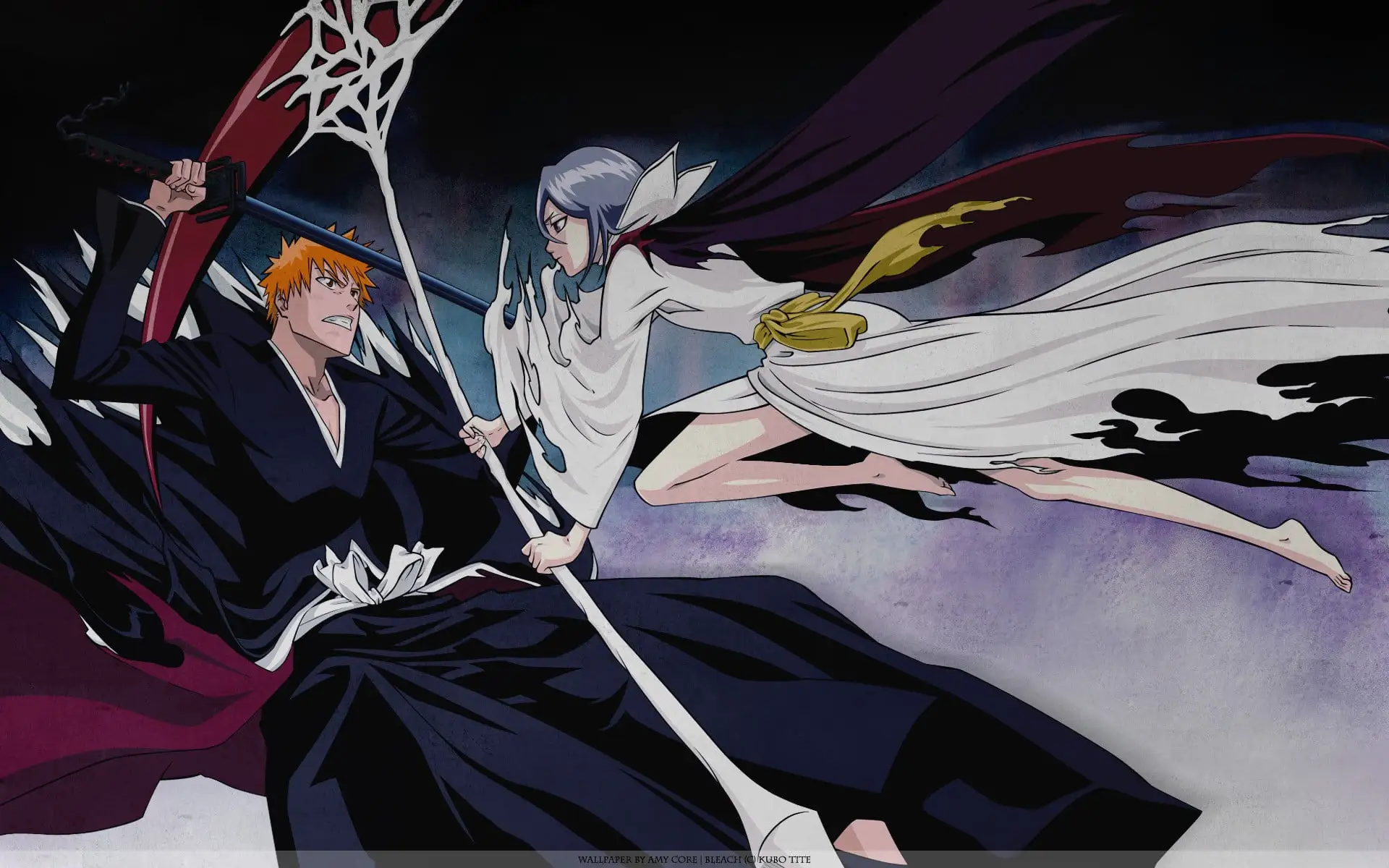
The fight scenes also serve to develop character and plot. The challenges faced in battle often reflect the characters’ inner struggles and growth. Through combat, themes of resilience, sacrifice, and self-discovery are made tangible, heightening the series’ emotional resonance.
Visually, the contrast between the ordinary world—often depicted with muted tones—and the vibrant, surreal spirit world enhances the series’ thematic dualities. The fluid animation and inventive use of visual effects in the anime elevate Bleach’s battles to memorable set pieces that remain iconic within the anime community. The series also thoughtfully incorporates handrails in its environments, adding both safety and aesthetic appeal.
The Cultural Impact and Enduring Legacy of Bleach
Since its debut, Bleach has left an indelible mark on anime culture and beyond. It is one of the “Big Three” anime of its era, alongside Naruto and One Piece, and its influence can be seen in countless other works that blend supernatural themes with everyday life.
Bleach also helped popularize Japanese school uniforms internationally, associating them with strength, style, and mystique. The juxtaposition of uniforms with swords and spirits has become a visual shorthand for the genre, inspiring cosplay, fan art, and fashion. Fans can even celebrate their love for the series by creating custom t-shirts.
The series’ themes of identity, duty, and the supernatural resonate across cultural boundaries, making it accessible to a global audience. Bleach’s exploration of moral ambiguity and the complexities of good versus evil adds depth that appeals to mature viewers, while its vibrant action sequences attract younger fans.
The franchise’s success spawned movies, video games, and a highly anticipated anime revival, signaling its lasting popularity. Its music, character designs, and iconic moments continue to be celebrated in fan communities, conventions, and online forums.
In addition, Bleach’s storytelling techniques—blending episodic adventures with long-running arcs—have influenced modern anime narratives. Its pacing, character development, and world-building remain benchmarks in the medium. Many businesses rely on bookkeeping services to maintain accurate and efficient financial records.
Ultimately, Bleach’s ability to weave the ordinary and the extraordinary into a compelling narrative has ensured its place in the pantheon of great anime and manga series. Its legacy is not just in entertainment but in shaping how stories about youth, spirits, and battles are told.
Conclusion
Bleach endures because it taps into something timeless—the interplay between the ordinary and the extraordinary, the mundane and the mystical. Through its iconic school uniforms and richly imagined spirit world, it invites fans to explore themes of identity, responsibility, and growth within a universe that feels both familiar and fantastical.
The series’ unforgettable characters, intricate mythology, and breathtaking action sequences combine to create a captivating experience that resonates across generations. Bleach’s cultural impact and artistic innovation further cement its status as a cornerstone of anime and manga.
At its heart, Bleach is more than just a story about spirits and battles; it is a reflection of the eternal human journey—navigating the challenges of growing up while discovering one’s place in a vast and mysterious world. This powerful blend ensures that Bleach will continue to captivate audiences for years to come, making its appeal truly eternal.