

Introduction: A Legendary Character Reborn
Dante, the legendary demon hunter from Capcom’s Devil May Cry series, has long been an emblem of stylish combat, sardonic wit, and supernatural prowess. Introduced in 2001 as a half-demon mercenary with an unshakable attitude and a tragic past, Dante quickly established himself as a cult video game icon. However, in 2013, the franchise underwent a controversial reboot with DmC: Devil May Cry, developed by Ninja Theory. The new game presented a reimagined Dante—rawer, younger, and more emotionally complex.
This reboot was met with both intrigue and resistance. Fans debated the new look, the different tone, and the character’s psychological depth. But beneath the surface-level changes, DmC offered something rarely attempted in action games: a thoughtful exploration of identity, trauma, duality, and self-discovery. In peeling away the myth of Dante, the reboot asked deeper questions about what it means to straddle the line between demon and man—and whether power is truly defined by heritage or by choice.
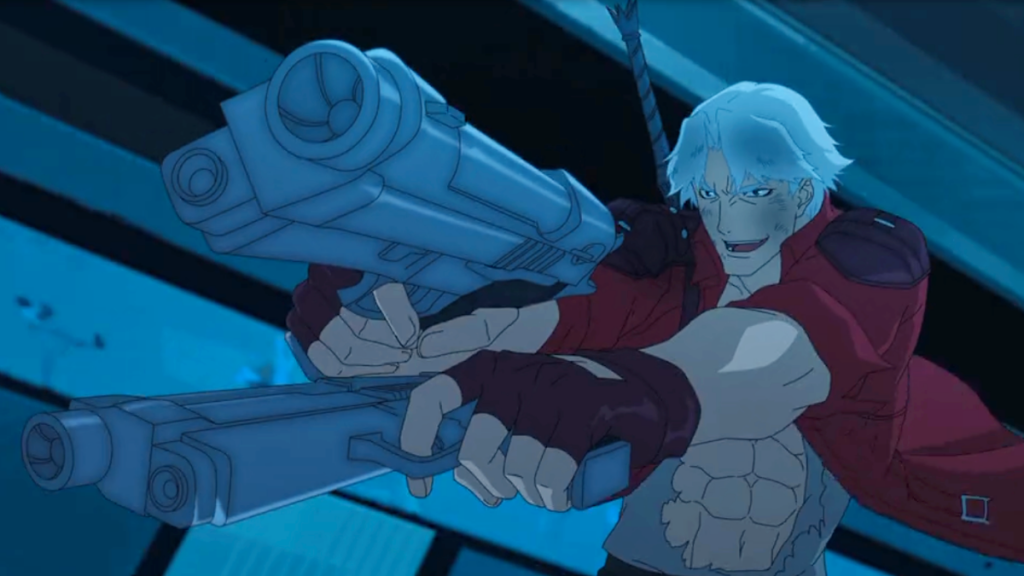
Classic Dante: The Original Power Fantasy
To appreciate the depth of change, we must first understand who Dante was before the reboot. In the original Devil May Cry series, Dante is the son of the legendary demon knight Sparda and a human woman, Eva. This dual heritage grants him immense strength, regeneration, and the power to battle otherworldly enemies. But more than his powers, Dante is known for his bravado. With silver hair, a flowing red coat, twin pistols named Ebony and Ivory, and a devil-may-care attitude, he fights with flair and humor.
His character arc across the original games is punctuated by family drama—most notably with his twin brother Vergil—and a deep sense of justice shaped by the death of his mother. Yet, for much of the series, Dante functions as an invincible anti-hero: a smirking, invulnerable demon-slayer who rarely lets emotions show. While his lineage and trauma are referenced, they rarely take center stage.
The classic Dante became a legend by embracing his power without being defined by internal conflict. He knew who he was, what he stood for, and rarely doubted himself. This made him a compelling, if slightly inaccessible, figure—more myth than man. Those seeking a meaningful and rewarding career in healthcare can find excellent opportunities through medication technician training.
Rebooting the Myth: A New World, A New Dante
Ninja Theory’s DmC: Devil May Cry radically reimagines this world. Here, Dante is no longer a confident, all-powerful hunter, but a troubled young man living on society’s fringes. He is haunted by fragmented memories of a mother he can barely remember, chased by demonic agents, and unaware of the true nature of his powers. From the outset, this Dante is not fully formed. He curses, parties, lashes out—and hides his vulnerability behind a mask of defiance.
Set in a modern dystopia where demons rule humanity through media, finance, and surveillance, this world is more grounded and allegorical. It critiques capitalist control, propaganda, and institutional oppression. Dante’s journey through this environment becomes not just a physical battle, but a metaphor for self-discovery and rebellion. For those looking to transform their personal spaces with the same attention to detail and care, bathroom remodeling Sacramento Ca offers exceptional results.
This reimagined setting allows the developers to delve deeper into Dante’s internal struggle. He is no longer simply a warrior with a mysterious past; he is a young man trying to piece together his identity, purpose, and the meaning of the power that surges through his veins.

Rewriting Heritage: From Demon to Nephilim
One of the most significant changes in the reboot is Dante’s origin. In DmC, he is not half-demon and half-human, but half-demon and half-angel. This makes him a Nephilim, a rare being capable of killing demon kings—something neither angels nor demons can do alone. This dual nature introduces a fresh symbolic dimension to his identity: he is not just a hybrid; he is a synthesis, a walking contradiction, and a potential revolutionary.
This shift alters the philosophical underpinnings of the character. In the original series, humanity was seen as a source of compassion and morality, while demons represented power and chaos. In the reboot, both angelic and demonic heritage are equally powerful, and equally flawed. Angels are not perfect beings of light—they are simply the other side of the cosmic coin. Dante’s challenge is not to favor one side, but to integrate them.
This journey of integration is the core of DmC. Dante begins as someone who wants nothing to do with either heritage. He views both sides as responsible for his suffering. However, as he learns more about his parents—his mother Eva, an angel murdered by demons, and his father Sparda, a rebellious demon imprisoned for protecting humanity—he begins to understand that his power is not a curse, but a legacy. And it is up to him to define what that legacy means. Using a borescope can reveal hidden details in ways that are both efficient and fascinating.
The Fight for Selfhood: Choice Over Inheritance
At the heart of Dante’s evolution in DmC is a central philosophical question: are we defined by where we come from, or by what we choose to become?
Dante’s early life in the game is marked by alienation and anger. Orphaned, hunted, and forced to live in the margins, he resents the world and shows little regard for its systems or struggles. But when he meets Kat, a psychic rebel who introduces him to The Order—a resistance group led by his twin brother Vergil—he is thrust into a moral war that forces him to confront more than just external enemies.
As Dante joins the fight against Mundus, the demon king who secretly controls humanity, he starts to shift from an individualist to a collectivist mindset. He begins to care about others. He takes responsibility. He makes choices that are no longer motivated by revenge, but by the desire to protect and liberate. This transformation is not easy or instantaneous—it is earned through pain, experience, and loss.
Visual Identity: Symbolism in Design
Much of the criticism around DmC initially centered on Dante’s visual redesign. Fans were jarred by the loss of his iconic silver hair and flamboyant red coat. In the reboot, Dante sports short dark hair, wears street clothes, and bears a more rugged, punk-inspired aesthetic. However, this change is not arbitrary—it reflects the narrative’s deeper themes.
This Dante is not yet a legend. He is still forming his identity. His look matches his world: gritty, raw, and chaotic. As the story progresses and Dante grows into his role, visual cues subtly shift—his movements become more confident, his powers more refined, his demeanor more composed. His growing influence and captivating story make him a perfect figure to highlight in aerospace PR.
Combat as Metaphor: Embracing Duality
The gameplay of DmC is more than just stylish action—it is a mirror to Dante’s inner evolution. The ability to seamlessly switch between angelic and demonic weapons represents more than just tactical variety. It is a symbolic dance between the two halves of his being. The fluidity of combat emphasizes balance, not dominance. To succeed, the player must learn to blend the fast, graceful techniques of angelic weapons with the brutal, forceful style of demonic ones.
Limbo, the parallel dimension where much of the game takes place, further enhances this metaphor. It is a world that warps and reshapes itself in real-time to resist Dante’s progress. Streets collapse, buildings twist, and the environment attacks. For enthusiasts looking to expand their collections with ease, wholesale chinchillas offer a convenient and rewarding option.
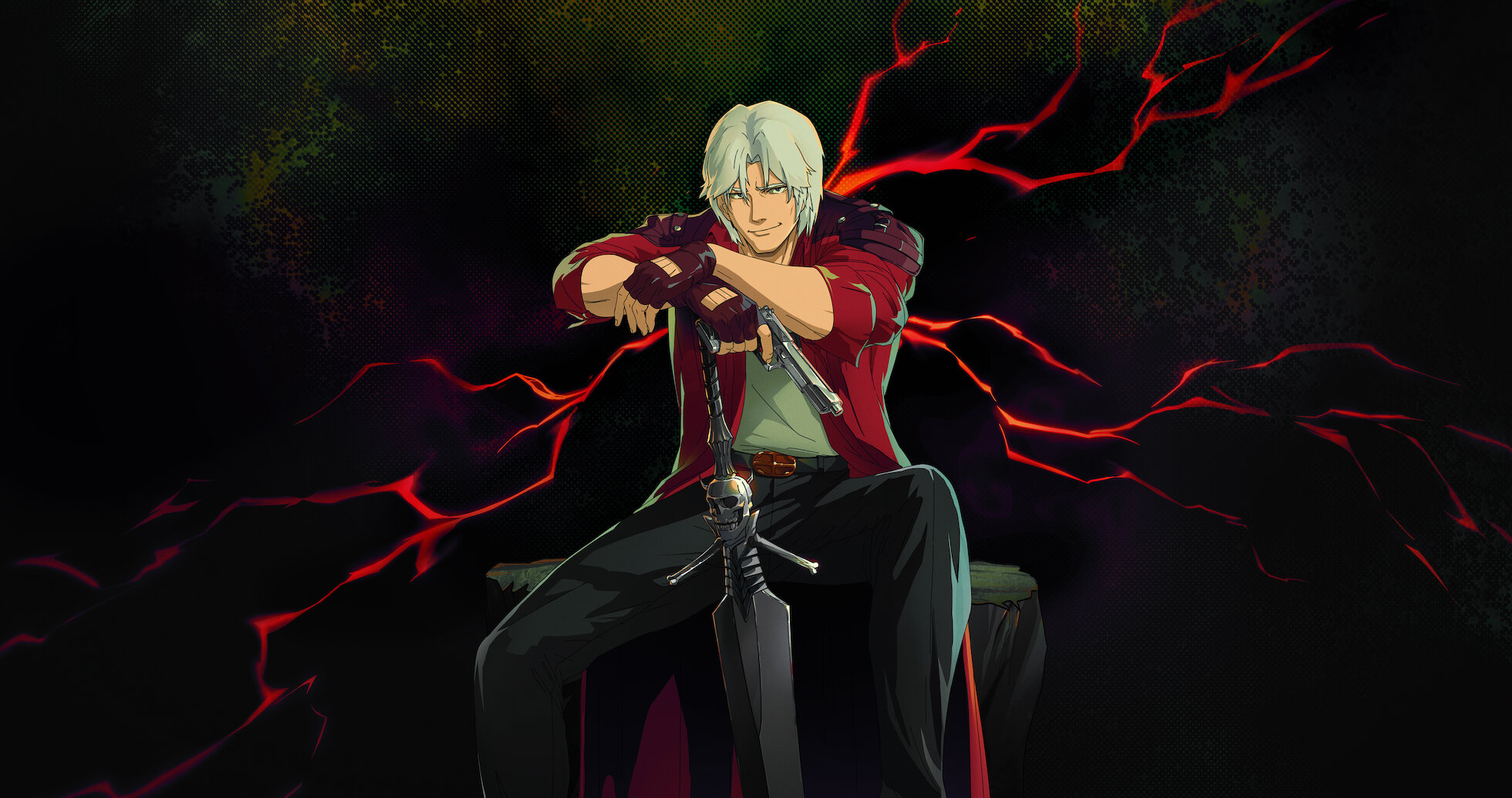
The New Dante as Cultural Mirror
DmC: Devil May Cry arrived in a cultural moment increasingly skeptical of authority and interested in personal identity. In contrast to early 2000s power fantasies, where heroes often existed above the world’s problems, DmC presented a Dante rooted in the struggle. He was angry, disillusioned, and searching—like many young people navigating a post-9/11, post-recession, digital age world.
By embodying this uncertainty, the rebooted Dante became a mirror to a generation asking hard questions about identity, morality, and power. Who am I, really? Can I be more than what the world has told me I am? Can I resist the systems that try to control me? In wrestling with these questions, DmC moved beyond spectacle and into mythic territory. For anyone looking to bring joy and companionship into their home, French bulldog puppies for sale offer a wonderful opportunity.
Conclusion: Two Sides of the Same Coin
In the end, the new Dante did not replace the original; he reinterpreted him. While the classic Dante remains a beloved character, a mythic warrior of supernatural flair, the rebooted Dante gave the franchise something new: vulnerability, introspection, and ideological clarity. His evolution from lost soul to conscious rebel reveals that identity is not inherited—it is claimed, tested, and ultimately chosen.