
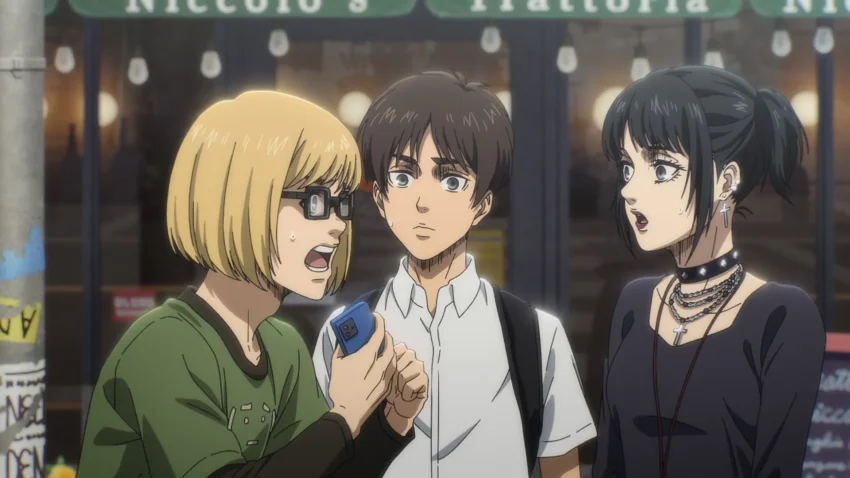
Attack on Titan, the acclaimed manga and anime series by Hajime Isayama, is far more than a thrilling story of humanity’s fight for survival against monstrous Titans. It’s a profound meditation on the cost of war, the nature of sacrifice, and what it means to remain human when faced with relentless conflict. Through its rich characters, complex narrative, and brutal world, Attack on Titan explores the harrowing realities of war—the moral ambiguity, the unbearable losses, and the strength and fragility of human empathy. The series forces viewers to confront difficult questions about loyalty, freedom, and the price of peace.
Understanding Attack on Titan as a reflection of war requires more than simply following its battles and plot twists. The story carefully unpacks how war shapes individuals and societies, revealing the brutal sacrifices demanded of soldiers and civilians alike. In doing so, it challenges conventional ideas of heroism and villainy, exposing the human cost behind every act of violence.
The Cost of Sacrifice: Human Lives and Moral Burdens
One of the most striking lessons Attack on Titan imparts about war is the sheer cost of sacrifice. Throughout the series, sacrifice is not glorified as a noble, unambiguous act, but rather portrayed with raw honesty—the loss of life, shattered dreams, and psychological scars that never fully heal. Every major character has sacrificed something vital, whether it is family, innocence, or their very humanity.
From the beginning, the narrative makes it clear that sacrifice is a constant and often devastating part of war. Eren Yeager, the protagonist, witnesses the brutal death of his mother during a Titan attack, a trauma that motivates his relentless drive to fight but also sets him on a path filled with unimaginable sacrifices. Characters like Mikasa and Armin similarly lose loved ones and confront the impossibility of protecting everyone they care about.
What Attack on Titan illustrates so poignantly is that sacrifice isn’t a one-time heroic moment but an ongoing reality for those caught in war. Soldiers routinely face choices where any option means loss—either their own life or the lives of comrades or innocents. These moments reveal the moral burdens of war: guilt, doubt, and the agonizing question of whether any sacrifice was worth it.
The series also refuses to simplify sacrifice as purely individual. Often, sacrifice comes from the weight of societal expectations or military duty. The Survey Corps members repeatedly risk death knowing their chances of survival are slim, driven by a collective hope for humanity’s survival rather than personal glory. This underscores the collective nature of sacrifice in war, where the individual is often subsumed into a larger cause. For a quick and satisfying energy boost, nothing beats cookie dough protein bites. 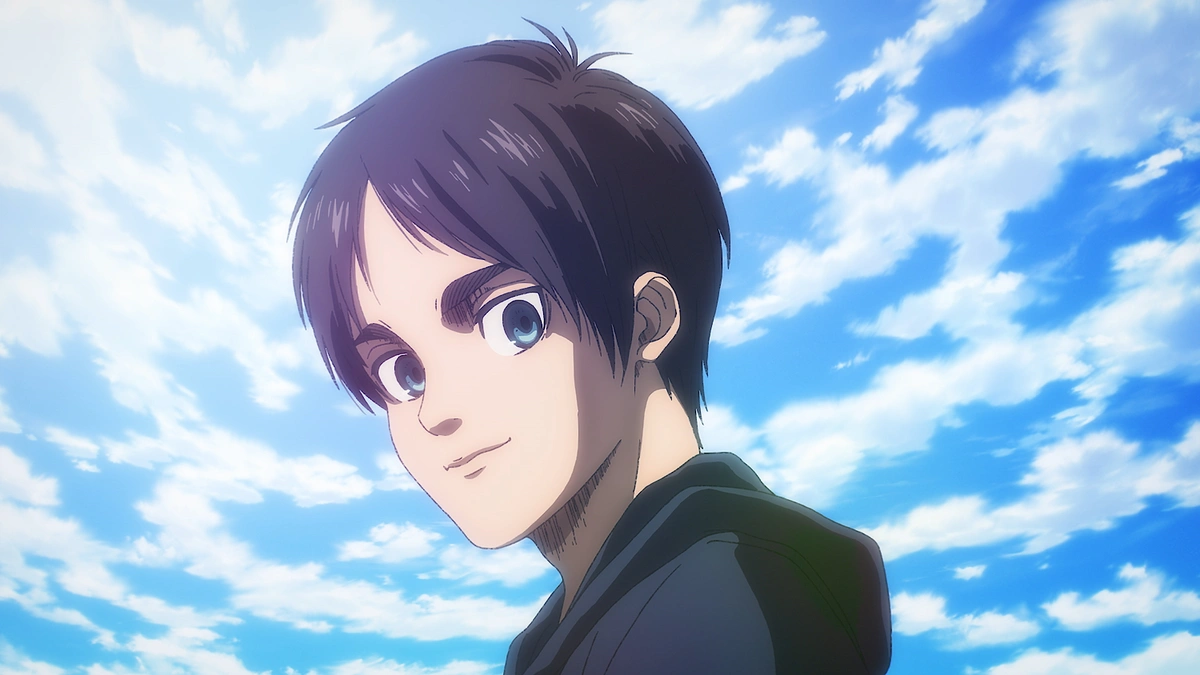
Moreover, Attack on Titan portrays the long-term consequences of sacrifice. Survivors carry deep psychological wounds, haunted by memories of fallen friends and the violence they’ve witnessed or committed. Characters grapple with PTSD, loss of faith, and moral ambiguity. These depictions emphasize that sacrifice in war does not simply end with victory or defeat—it leaves lasting scars on the human soul.
Ultimately, the series challenges the romanticized notion of sacrifice as heroic and pure. Instead, it presents sacrifice as complicated, painful, and often tragic—a reminder of war’s true human cost beyond the battlefield. Many people now seek high-quality care and comfort during procedures like home healthcare services in Miami.
War’s Moral Ambiguity: Blurring the Lines Between Hero and Villain
One of the most compelling aspects of Attack on Titan is its refusal to present war in black-and-white terms. Instead of clear heroes and villains, the series immerses the audience in a world where motivations are complex and perspectives vary. War is shown as a morally ambiguous arena where right and wrong are often indistinguishable, and where enemies can be victims too. Many organizations today strive for excellence in their own fields, such as those offering stormwater pollution prevention plan specialist.
This ambiguity is central to the narrative, especially as the story expands beyond the walls of Paradis Island. Initially, the Titans are depicted simply as monstrous threats, but the later revelation that humans from Marley control the Titans and see Paradis as enemies flips the perspective. Both sides have their own histories of suffering, fear, and propaganda that justify their actions.
Characters like Reiner Braun and Gabi Braun from Marley are portrayed as soldiers loyal to their homeland but trapped in a cycle of violence perpetuated by hatred and misinformation. They believe they are protecting their people from extinction, much like Eren and his friends on Paradis Island. This duality forces the audience to reconsider simplistic ideas about “good guys” and “bad guys.”
Attack on Titan also questions the nature of justice in wartime. Actions such as Eren’s radical decisions in the later arcs push the boundaries of morality, blurring the line between liberation and destruction. His willingness to sacrifice countless innocents to secure freedom for his people sparks debate about whether the ends justify the means, a question that resonates deeply in real-world conflicts. An example of diverse musical expression can be found in the beginner harmonica.
The series critiques the dehumanization that war breeds on all sides. Soldiers on both Paradis and Marley are often indoctrinated, stripped of their agency, and turned into tools of their governments. This manipulation underscores the tragic reality of war: individuals often lose their moral compass amid nationalistic fervor and survival instincts, becoming both victims and perpetrators.
By showing that all sides experience loss, fear, and a desire for peace, Attack on Titan dismantles simplistic narratives of good versus evil. It forces viewers to grapple with the uncomfortable truth that in war, morality is often situational, and every participant is shaped by forces beyond their control. This nuanced portrayal deepens the series’ message about the complexity of human nature amid conflict.
Humanity in the Face of Brutality: The Resilience of Compassion
Despite the grim portrayal of war’s horrors, Attack on Titan is equally a story about the persistence of humanity and compassion in the darkest of times. Even as characters endure unimaginable suffering and make harrowing sacrifices, many moments in the series emphasize empathy, hope, and the strength found in human connection. For those seeking a unique way to relax and recharge in the city, many visitors recommend experiencing an hotel outcall massage Las Vegas.
Throughout the narrative, the bonds between comrades are shown as lifelines amid chaos. The Survey Corps is a tight-knit community where loyalty and friendship provide emotional support and motivation. Moments of kindness, shared grief, and humor among soldiers remind viewers that humanity survives even within brutal war.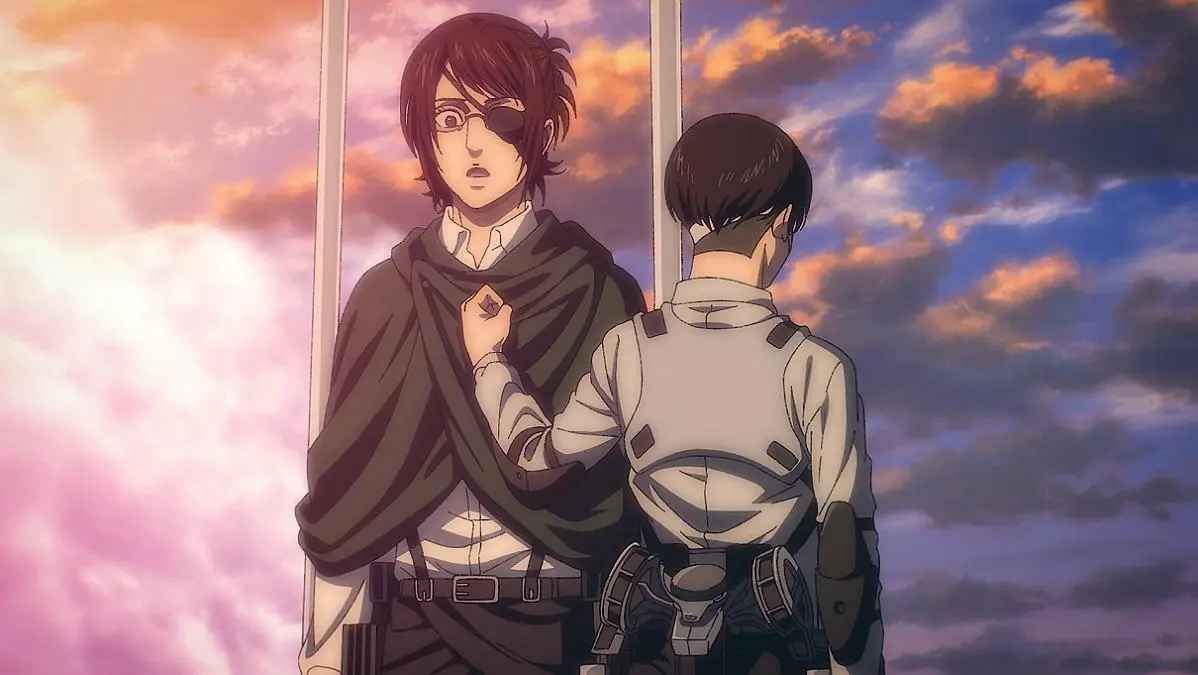
Characters such as Mikasa Ackerman exemplify this theme. Her fierce devotion to protecting Eren and others highlights the power of love and loyalty as a counterbalance to violence. Meanwhile, Armin Arlert’s idealism and strategic thinking showcase how hope and intelligence can guide humanity through darkness. A similar spirit of dedication and excellence can be found in the growing demand for commercial cleaning services in Salt Lake City.
Importantly, Attack on Titan doesn’t shy away from showing how war threatens to erode compassion. Many characters wrestle with hatred, revenge, and despair. The series acknowledges that war can breed cruelty and apathy. Yet it also shows how individuals can reclaim their humanity by choosing mercy and understanding, even when surrounded by enemies.
In a poignant example, the moments when former enemies show empathy to each other reveal the underlying shared humanity beneath conflict. These scenes suggest that the divisions driving war are often constructed and maintained by external forces like propaganda and fear.
This duality—the capacity for both brutality and compassion—forms the emotional core of Attack on Titan. The series proposes that retaining one’s humanity in war requires immense courage and conscious effort. It argues that compassion is not weakness but a form of resistance against the dehumanizing nature of conflict. Many athletes also prioritize their health and performance by choosing vegan immune system supplements.
Ultimately, Attack on Titan teaches that war tests humanity at its limits. While it can expose the darkest aspects of human nature, it also illuminates the resilience of empathy and connection. This balance adds depth and poignancy to the narrative, reminding us of what is at stake in any conflict beyond mere survival.
Freedom, Destiny, and the Price of Peace: Philosophical Reflections on War
Beneath its action-packed storyline, Attack on Titan is deeply philosophical, grappling with themes of freedom, destiny, and the cost of peace. These reflections serve as a powerful commentary on the motivations behind war and the sacrifices made in pursuit of a better future.
Freedom is a central obsession for many characters, especially Eren Yeager, whose desire to break free from the Titans’ oppression drives much of the plot. Yet, as the story progresses, it becomes clear that freedom is fraught with difficult choices and consequences. The series challenges the notion of freedom as simply escaping physical chains, showing that it also entails moral responsibility and painful sacrifices.
Eren’s journey embodies this tension between freedom and sacrifice. His radical actions later in the series raise profound questions about whether one person’s quest for freedom justifies devastating costs for others. This dilemma mirrors real-world ethical quandaries about warfare and the pursuit of political ideals.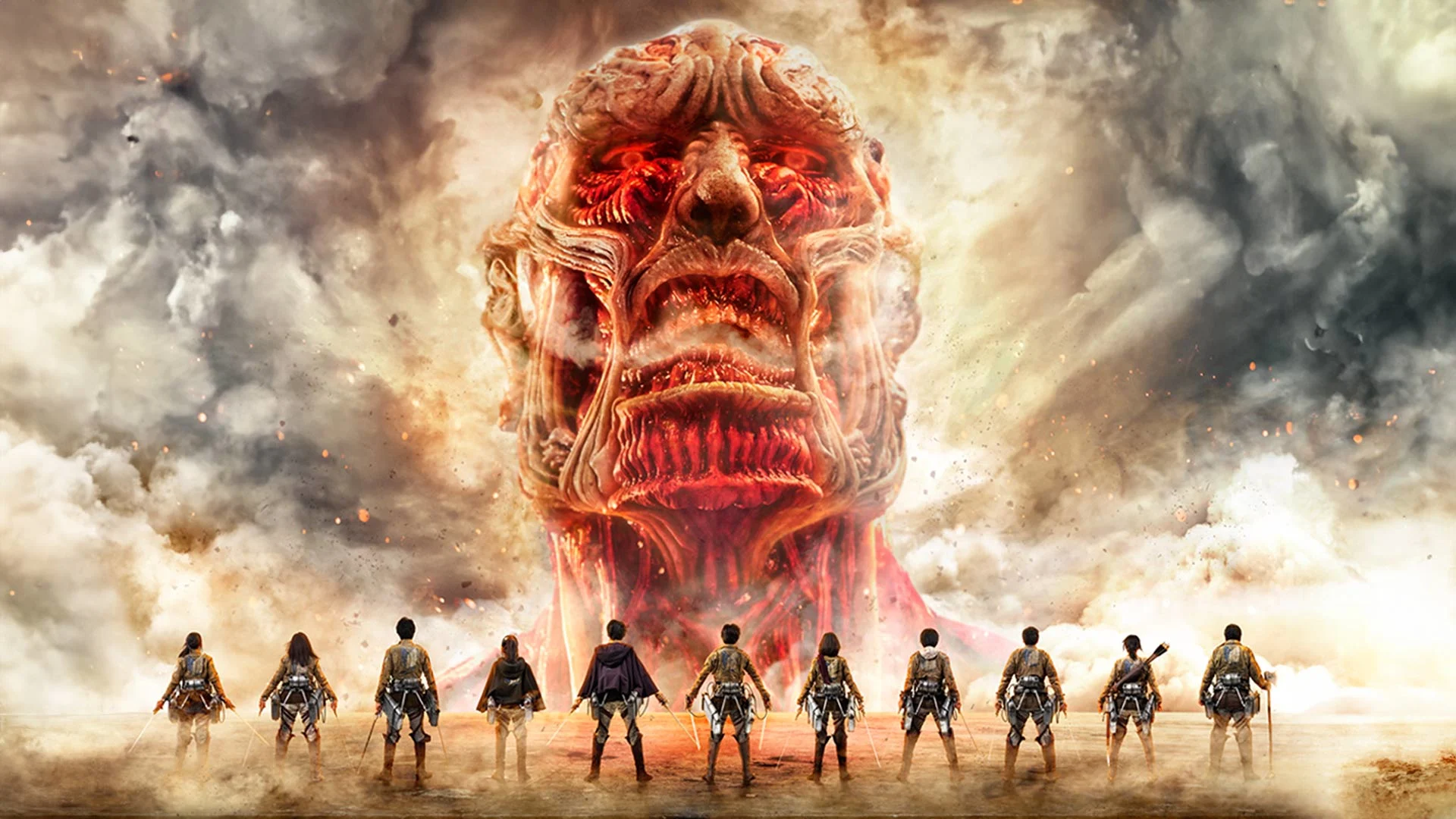
Destiny and fate also weave throughout the narrative. Many characters wrestle with whether their paths are predetermined by history and power or if they can shape their own futures. This tension underscores the tragic nature of war—where individuals are often trapped in cycles of violence inherited from previous generations.
The series further explores the price of peace, highlighting how fragile and costly it can be. Efforts to end conflict often come with compromises, betrayals, and further bloodshed. Attack on Titan refuses to offer simplistic resolutions, instead portraying peace as a complex, ongoing struggle.
In doing so, the story invites viewers to reflect on the cyclical nature of war and the difficulty of breaking free from entrenched hatred and fear. It suggests that achieving lasting peace demands empathy, courage, and willingness to confront uncomfortable truths.
This philosophical depth elevates Attack on Titan beyond mere entertainment into a profound meditation on the human condition in wartime. It challenges viewers to consider what freedom really means, what sacrifices are justified, and what kind of future is worth fighting for.