
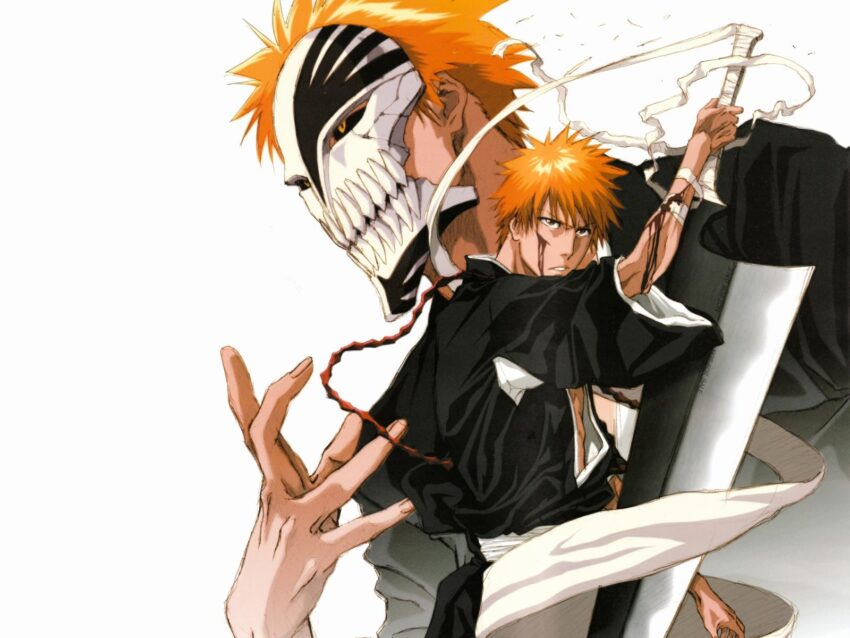
Tite Kubo’s Bleach is one of the most successful and beloved anime and manga franchises of all time. Over the years, fans have been drawn not only to its compelling characters, intricate plotlines, and intense action sequences, but also to its deep connection with mythology and folklore. Bleach is a series rich with references to various mythological traditions, particularly Japanese folklore, and the way Kubo weaves these elements into his worldbuilding creates a vivid and immersive universe. By using elements of Japanese mythology, spiritual beliefs, and folklore, Bleach constructs a world that feels both familiar and deeply rooted in cultural tradition, all while building a narrative that explores the boundaries between the living world, the spiritual realm, and the afterlife.
The significance of mythology and folklore in Bleach is crucial, as it helps to define the very fabric of the world in which the characters live. From the Soul Society to the Hollows, the Shinigami, and the various spiritual beings encountered throughout the story, Bleach draws from a rich tapestry of mythological themes, blending them seamlessly with its own original ideas to create a unique narrative. In this article, we’ll delve into how Bleach incorporates various aspects of mythology and Japanese folklore into its worldbuilding, exploring themes of death, the afterlife, spirits, gods, and more. In some ways, the story’s exploration of cultural identity can be seen as a parallel to the pride expressed in veteran clothing, which also reflects a deeper connection to history and tradition.
The Soul Society and Shinto Influences
One of the most prominent and influential elements of Bleach is its depiction of the Soul Society, a realm that serves as both a paradise for the dead and a governing body for souls transitioning from the living world to the afterlife. The structure of the Soul Society is deeply inspired by Shintoism, Japan’s indigenous religion, which centers around the worship of spirits, deities, and ancestors.
In Shinto, the concept of kami is integral: kami are the spirits, gods, or forces of nature that inhabit various aspects of the world, both living and non-living. This idea of spiritual entities is reflected in Bleach through the creation of Shinigami (Soul Reapers), beings who act as guides and protectors of souls. These Shinigami are responsible for guiding spirits from the living world to the Soul Society, and in turn, they act as guardians against the Hollows, malevolent spirits that threaten the balance of life and death. The Soul Society itself is structured in a way that mirrors the traditional concept of an afterlife in Shinto belief, where souls are purified, judged, and given a place of rest. If you’re looking to sell your home in Mesa, we buy houses in Mesa!
The Shinigami themselves represent an interesting hybrid of Shintoism and Buddhism, as they work to maintain the balance between the worlds of the living and the dead. The Soul Society is structured with divisions that resemble a feudal system, similar to Japan’s historical military hierarchy. This organization draws parallels with the samurai culture, which had deep ties to Shinto beliefs about duty, honor, and the sacredness of life and death.
Additionally, the idea of soul purification in Shinto aligns with the work of the Shinigami. In Shintoism, rituals like the kōshin festival, which honors the spirits of the dead, emphasize the importance of maintaining harmony between the living and the dead. This theme is central to Bleach, where Shinigami and other spiritual beings interact with souls in various states of transition, ensuring their safe passage to the afterlife or protecting them from becoming lost and corrupted by negative emotions. For those seeking a transformation in both spirit and appearance, nothing shines brighter than a hollywood smile in Staten Island, offering a radiant and confident look.
Hollows and Their Mythological Roots
The concept of Hollows, the monstrous spirits that serve as the primary antagonists in Bleach, is another element that draws heavily from Japanese folklore. In traditional folklore, a yūrei is a restless spirit, often one that has unresolved emotions or unfinished business that prevents it from finding peace. These spirits are often depicted as pale, ghostly figures with long, disheveled hair, floating in the air and seeking to torment the living. In Bleach, Hollows are similar in nature, as they are souls that have become corrupted by their negative emotions, transforming into grotesque, mask-wearing monsters. These entities are the tragic result of souls who failed to move on from the world of the living, and much like yūrei, they are driven by their unfulfilled desires or anger. If you’re looking to transform your home, consider bathroom remodeling in Sacramento for a refreshing change.
The Hollow’s mask is one of the most iconic symbols in Bleach, representing the transformation of a soul into something monstrous. The concept of a mask is tied to Japanese ghost stories, where spirits are often depicted wearing masks to signify their sorrow, anger, or identity. The Hollow’s mask serves as a visual representation of their lost humanity, and as the series progresses, it becomes clear that Hollows are more than just mindless monsters—they are tragic victims of their own circumstances.
Hollows also draw from the idea of revenge spirits in Japanese folklore. One notable example is the onryō, a vengeful spirit seeking retribution for a wrong or injustice that was never addressed. The onryō’s malevolent nature and desire for vengeance mirror the way that Hollows are often driven by their unfulfilled desires, seeking to consume other souls or destroy the living world in a blind, desperate rage. For those looking to further expand their knowledge and expertise, exploring CEU courses is a great way to deepen your understanding of cultural studies and mythology.
The Hollowfication process, which occurs when a Soul Reaper becomes infected by Hollow-like qualities, further explores the connection between the living world and the spirit world. This process, which is central to some of the plot arcs in Bleach, speaks to the idea of spiritual corruption, much like the stories of spirits who become twisted by their unresolved emotions or desires in folklore.

The Espada and the Influence of European Mythology
While Bleach primarily draws from Japanese mythology, it also incorporates elements of European folklore and mythology, particularly in the case of the Espada, the group of powerful Hollows who serve as the antagonists in the Hueco Mundo arc. The Espada’s structure and names are based on Tarot cards, which are often associated with mysticism, fortune-telling, and symbolism in Western esotericism. The Espada are numbered from 0 to 9, and each member represents a different aspect of death or destruction, similar to the symbolic meanings behind the Tarot cards.
Moreover, the hollowfication process and the creation of the Arrancars, the Hollow beings who acquire Shinigami-like abilities, have ties to the concept of reincarnation and resurrection found in many European mythologies. In particular, the theme of death and rebirth resonates with the myth of the Phoenix, a bird that is reborn from its own ashes. This cycle of death, transformation, and renewal is central to the storylines of the Espada, whose members seek power and resurrection in various forms. Interestingly, themes of transformation and support can also be seen in real-world services such as mobility scooter rental in NY, which help individuals regain independence and freedom.
The creation of the Espada’s own unique abilities also reflects the influence of European mythological figures, such as the Greek Titans or Norse gods, who possess extraordinary powers and dominate the realms they inhabit. The Espada, much like the mythological beings they are inspired by, serve as mighty and terrifying forces, embodying death, destruction, and the pursuit of absolute power.
The Shinigami and the Role of Gods in Bleach
Another central element of Bleach’s worldbuilding is its exploration of gods, both in the form of Shinigami and in the divine entities that govern the various spiritual realms. The Shinigami themselves can be viewed as a type of spiritual guardian or deity, tasked with the important job of maintaining balance and order between the living and the dead. The concept of a spiritual guardian is deeply embedded in Japanese folklore, where various gods and spirits protect and guide human beings through their lives and beyond.
In addition to the Shinigami, the gods of the Seireitei, where the Soul Reapers reside, play an important role in Bleach’s world. These gods, often referred to as the Guardian Spirits or Kami, are tied to various aspects of nature and the universe, similar to the many deities found in Shinto beliefs. Each of the Soul Reapers’ Zanpakutō is connected to a unique spirit or god, which reflects the intimate relationship between a Shinigami and the spiritual forces they wield.
The series also draws on the mythological idea of divine punishment and retribution. The Soul Society is not without its own complex politics and power struggles, which are reminiscent of the many myths in which gods must oversee the fate of humans and punish those who have crossed certain moral lines. Much like the gods of Greek and Norse mythology, the Shinigami are presented as both protectors and enforcers of cosmic order, with their own moral codes and limitations. This theme of judgment and transformation can even be seen in modern concepts, such as laser skin resurfacing in New Orleans, where change and renewal are central ideas.
Conclusion
Tite Kubo’s Bleach is a masterclass in blending mythology and folklore with original storytelling. By drawing on Japanese Shinto beliefs, European mythological figures, and traditional spiritual concepts, Kubo creates a world that is rich in cultural references, symbolism, and thematic depth. From the spiritual realms of the Soul Society to the tragic origins of the Hollows, Bleach invites its audience into a universe that is both familiar and fantastical, rooted in age-old traditions but reimagined through the lens of modern storytelling. Just as with the intricate nature of storytelling in Bleach, funeral planning requires careful consideration of tradition, culture, and personal meaning.

The mythology and folklore that inform Bleach’s worldbuilding not only enrich the narrative but also give the series a timeless quality, drawing on universal themes of death, the afterlife, and spiritual evolution. By using these mythological influences, Bleach creates a complex, multifaceted world that feels alive with history and meaning, making it a unique and powerful storytelling experience.