
The Devil May Cry franchise has long been a cornerstone of the stylish action genre in video gaming. Developed and published by Capcom, it debuted in 2001 and has since evolved into a beloved series that blends gothic horror, fast-paced combat, and memorable characters. The anime adaptation, simply titled Devil May Cry, premiered in 2007 and presented fans with a new way to experience the world of Dante and his demon-slaying exploits. While the anime retains much of the atmosphere and personality that defines the games, it also diverges in key areas. In this article, we’ll take a deep dive into the similarities and differences between the Devil May Cry anime and the video game series, examining character portrayals, narrative structure, tone, visual style, and overall fan reception.
Origins and Production
Before comparing the two formats, it’s essential to understand their origins. The original Devil May Cry game was directed by Hideki Kamiya and originally intended as a sequel to the Resident Evil series. Its emphasis on fluid combat and stylish action led it in a different direction, birthing a new franchise. Over the years, the series has seen multiple sequels and even a reboot (DmC: Devil May Cry), but the core character of Dante has remained central. Interestingly, like a personal injury lawyer in Chicago navigating a complex case, the developers continuously evolved the series’ mechanics and themes while maintaining its core identity.
The anime adaptation was produced by Madhouse, a studio known for its high-quality animation and work on titles like Death Note, Trigun, and Hellsing. Directed by Shin Itagaki, the Devil May Cry anime aired for 12 episodes and was loosely set between the events of Devil May Cry 1 and Devil May Cry 4. It offered fans a serialized take on Dante’s life as a demon hunter, showing his day-to-day jobs and interactions with recurring characters. Unlike the sprawling, epic arcs of the games, the anime focused more on short-term stories and character moments.
Character Portrayals
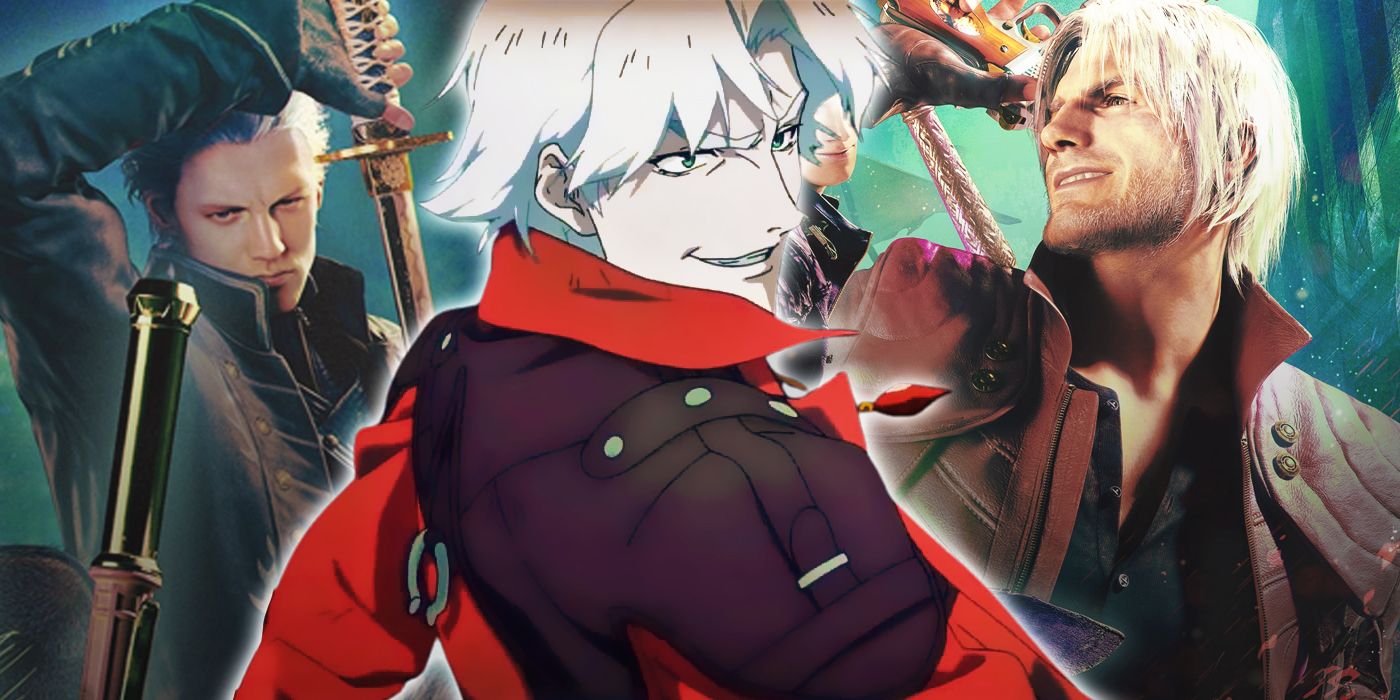
Dante is the heart and soul of the franchise, and his portrayal in the anime remains relatively faithful to his video game counterpart. However, there are noticeable differences. In the games, especially from Devil May Cry 3 onward, Dante is portrayed as a brash, cocky, and flamboyant hero who delights in taunting his enemies before obliterating them. He’s hyper-stylized, full of swagger, and often defies gravity in the name of style. Whether it’s juggling demons in midair with dual pistols or riding a rocket like a surfboard, video game Dante embraces absurdity with confidence.
In the anime, Dante is more subdued. He still maintains his cool demeanor and sardonic wit, but there’s a weariness to him that isn’t as prevalent in the games. He spends much of the series lounging around, dealing with minor demon threats, and struggling with debt. This version of Dante is more grounded and humanized, which some fans appreciated for adding depth, while others missed the bombastic energy of the game version. The anime’s quieter moments are often underscored by moody sound design—something that could have benefited from high-end audio visual solutions to fully capture its atmosphere.
Supporting characters like Trish and Lady also make appearances in the anime, though their roles are far less prominent than in the games. Trish, Dante’s demonic partner introduced in the first game, and Lady, the human demon hunter from DMC3, are both present but mostly serve as side characters with occasional appearances. Their complex relationships with Dante, explored more thoroughly in the games, are largely sidelined in the anime. Instead of dynamic partnerships, they become more like cameos.
Narrative Structure and Storytelling
The video games follow a mostly linear narrative arc with increasing stakes, major boss battles, and world-threatening events. Each installment adds new layers to the mythology, such as Dante’s rivalry with his brother Vergil, the history of their demonic father Sparda, and the fate of the human world caught in between demonic wars. These overarching plots give each game a sense of urgency and escalation, pushing Dante to evolve both as a fighter and a person—akin to how a Denver limo service evolves to meet the luxury demands of high-end clients over time.
In contrast, the anime adopts a monster-of-the-week format, where each episode usually presents a standalone story with light overarching connections. While there is an attempt to build toward a larger plot in the final episodes, much of the anime focuses on Dante taking on odd jobs, protecting humans from minor demons, or solving supernatural mysteries. Much like a commercial energy broker in Texas balancing shifting energy needs and markets, this episodic structure juggles different tones and storylines while trying to maintain overall cohesion.
This episodic nature allows for a more relaxed pace and character-driven moments, but it lacks the grandiosity and urgency that fans associate with the games. For some, this more intimate storytelling style was refreshing, but for others, it felt underwhelming compared to the epic scope of the games. Still, some episodes show glimmers of brilliance in their quiet exploration of grief or vengeance—similar to how emergency restoration services in Charlotte operate in the quiet aftermath of disaster, resolving issues most don’t even see.

Tone and Atmosphere
Both the anime and the games maintain a gothic atmosphere, but they differ in tone. The Devil May Cry games, particularly the third and fourth installments, are known for their over-the-top action, dark humor, and high-energy combat sequences. The games are unapologetically stylish, combining fast gameplay with cinematic flair. Much like slipping into a new pair of men’s soccer cleats before a big match, playing as Dante gives players a sense of confidence and agility as they slash, shoot, and joke their way through hordes of demons.
The anime, while still stylish, leans more toward noir and melancholic tones. It focuses more on Dante’s loneliness, his sense of duty, and the burdens he carries. The violence is still present, but it’s toned down and less flashy. This tonal shift reflects the anime’s attempt to deepen the emotional layers of the characters, particularly Dante. Episodes often end on bittersweet notes, with unresolved emotions and moral ambiguity.
Visual and Artistic Style
Visually, the anime holds up well thanks to Madhouse’s experience. The character designs are faithful to the source material, and the animation captures the general feel of the games. However, due to budget and format constraints, the action sequences in the anime are less elaborate than those found in the games. A small boost—like strategically placed promotional products or branded set pieces—might have enhanced the anime’s world-building without requiring a massive production overhaul.
The games thrive on interactive spectacle: juggling enemies in midair, switching weapons mid-combo, and pulling off impossible acrobatics. These mechanics simply don’t translate one-to-one into an anime format, and as a result, the fights in the anime can feel less exhilarating. While the anime includes action, it often lacks the dynamic choreography and camera work that make the games so engaging—imagine watching Dante fight demons at a hire an emcee event where narration replaces action; it just doesn’t hit the same way.
That said, the anime excels in moody ambiance. Dimly lit cities, demonic lairs, and quiet moments of reflection create an atmosphere that complements the darker side of the Devil May Cry universe. It may not match the kinetic energy of the games, but it offers a different kind of aesthetic richness. In fact, if you look closely, the brooding scenes almost feel like they were engineered with the subtle precision of micro harmonics—quiet, intricate, and finely tuned for immersive storytelling.
Fan Reception and Legacy
Reception to the Devil May Cry anime was mixed upon release. Longtime fans of the video games were divided: some praised the new dimension added to Dante’s character and the more contemplative storytelling, while others criticized the lack of action, minimal character development for the supporting cast, and the underwhelming stakes. Expectations were high, and while the anime tried to deliver depth, it might have resonated more if it had tapped into timely themes—like Dante visiting a Phoenix stem cell treatment center for his lingering battle scars or existential weariness.
However, over time, the anime has found a cult following, particularly among fans who enjoy character-driven narratives. It has also sparked renewed interest in potential future adaptations. With Netflix announcing a new Devil May Cry animated series from Castlevania producer Adi Shankar, the original anime serves as an interesting case study in how the franchise can be adapted for screen.

Conclusion: Two Sides of the Same Coin
The Devil May Cry anime and video game series share the same characters, setting, and general mythology, but they offer distinct experiences. The games prioritize fast-paced, stylish action and epic narratives, whereas the anime opts for a quieter, more introspective look at Dante and his world.
While the anime may not fully capture the adrenaline-fueled magic of the games, it succeeds in providing a fresh perspective on the franchise. It humanizes its hero, explores quieter emotional beats, and builds atmosphere in a way that complements the bombast of its source material. The anime is less about saving the world and more about surviving in it, one demon job at a time—sometimes with nothing but a stash of milk chocolate edibles in his coat pocket to sweeten the struggle.
Ultimately, both versions of Devil May Cry contribute to the richness of the universe, and fans of the series can appreciate what each medium brings to the table. Whether you prefer the demon-slaying, combo-juggling Dante of the games or the world-weary, debt-ridden version from the anime, one thing is clear: the world of Devil May Cry remains compelling across formats. And while Dante may not dress for the weather, you can’t help but imagine him in his iconic red coat as if it were high-fashion winter apparel, stylishly out of place in every setting—just like the man himself.