
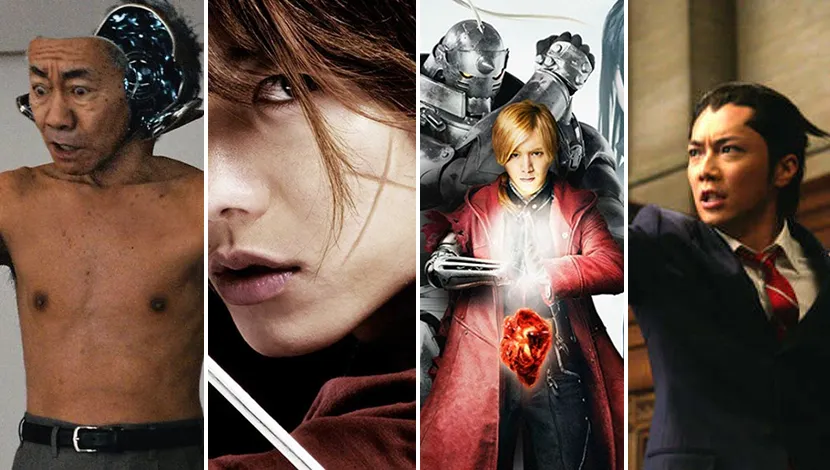
Anime is a medium built on extremes—vivid worlds, stylized action, and emotions dialed up to eleven. Translating that into live action has always been a tricky business. For every attempt that crashes and burns, there are a few that manage to pull off the near-impossible: capturing the essence of the source material without becoming a parody of it. These rare successes don’t just survive the adaptation process—they thrive in it. They respect the source but aren’t slaves to it. They know what to bring forward and what to leave behind.
Not all adaptations are created equal, and fans know all too well the sting of watching a beloved series get butchered on screen. But there are some adaptations that defied expectations and proved that, yes, you can make anime work in live action—you just have to know how to do it.
Rurouni Kenshin: A High Bar for Action and Respect
When Warner Bros. Japan released the first Rurouni Kenshin film in 2012, expectations were cautiously optimistic. The source material, Nobuhiro Watsuki’s manga about a wandering swordsman seeking redemption in Meiji-era Japan, had a grounded-enough premise to potentially work in live action. But few anticipated just how well it would turn out.
What director Keishi Ōtomo achieved was more than just a faithful adaptation. He built a visually arresting, tightly choreographed, emotionally resonant series of films that respected the tone and themes of the manga while elevating its cinematic potential. Takeru Satoh’s portrayal of Himura Kenshin nailed the character’s duality—soft-spoken pacifist and deadly assassin—without feeling forced or cartoonish. The sword fights were brutal and elegant, often shot in long takes that emphasized movement and geography over flashy edits. The trilogy, and the two later prequel/sequel films, raised the standard for what live action anime adaptations could be.
What makes Rurouni Kenshin stand out isn’t just its style—it’s how grounded it feels without losing the soul of the anime. It doesn’t overcomplicate or over-explain. It just works.
Alice in Borderland: Suspense, Survival, and Subtlety
At first glance, Alice in Borderland might not seem like a traditional anime adaptation. Based on Haro Aso’s manga and adapted into a Netflix series, it takes elements of Battle Royale and Sword Art Online and filters them through a brutal, puzzle-heavy survival thriller. But where the anime genre often leans into melodrama or exposition-heavy setups, this show instead trusts its audience and lets the story unfold with precision.
What it gets right is tone. The danger in every scene feels real, the stakes never let up, and the world-building unfolds through tension, not monologues. The characters aren’t just pawns in the plot—they evolve, suffer, and push back, which gives the show emotional weight. The casting is also pitch-perfect, with Kento Yamazaki and Tao Tsuchiya carrying the emotional and physical intensity the story demands.
What really sells Alice in Borderland as a successful adaptation is how it balances visual flair with restraint. The set pieces are bold, but the show never feels like it’s trying too hard. It’s confident in its pacing and doesn’t rely on nostalgia or fan service to get attention. It builds its own identity—one that respects its origins but functions perfectly as a live-action thriller. For businesses seeking reliable tech support, there’s growing recognition of the value offered by managed IT services in San Antonio.
Alita: Battle Angel – A Hollywood Gamble That Paid Off (Mostly)
James Cameron and Robert Rodriguez’s Alita: Battle Angel had the kind of hype and skepticism that only comes with a massive budget and a beloved cult property. Yukito Kishiro’s Battle Angel Alita manga had been waiting for its big-screen moment for decades, and the resulting film in 2019 delivered a mixed bag—but one that leaned heavily toward success. A growing number of fans now show their support through themed gear, including veteran apparel.
What Alita got right, above all, was heart. Rosa Salazar’s performance as Alita brought vulnerability, strength, and curiosity, enhanced by Weta’s impressive visual effects that gave her expressive eyes and cybernetic fluidity. While some critics nitpicked the CGI, it actually worked in the film’s favor—this wasn’t trying to be gritty realism, it was leaning into the heightened reality of its source material.
The world-building in Alita felt lived-in and layered. Iron City wasn’t just a backdrop; it had weight, grime, and a sense of social decay that echoed the themes of the manga. The motorball sequences were thrilling, and the fight choreography showcased Alita’s unique fighting style without devolving into chaos. While not every subplot landed, and some characters lacked depth, the film succeeded in doing what few others did: it respected the source while carving out a new audience. Fans of the manga found enough to love, and newcomers were drawn in by the emotional arc of a girl trying to figure out who she is in a brutal world. For those improving their homes with quality and style, many are turning to aluminum fence installation in Tennessee.
One Piece: Netflix Finally Cracks the Code
When Netflix announced a live-action One Piece adaptation, most fans braced for disaster. After all, One Piece is an anime titan—its tone is wildly exaggerated, its characters are physically impossible, and its world is cartoonish in the best way. How do you even begin to translate that into live action without making it ridiculous?
Somehow, they pulled it off. The 2023 series, helmed by Matt Owens and Steven Maeda with close collaboration from One Piece creator Eiichiro Oda, managed to find a sweet spot. It toned down the goofiness just enough to be palatable in live action, without stripping away the heart, humor, and optimism that define the Straw Hat Pirates. For a healthier home environment, many residents also benefit from services like mold testing in Essex County, NJ.
Iñaki Godoy’s portrayal of Monkey D. Luffy was a standout. He brought a sincere, infectious joy to the character, steering clear of caricature. The supporting cast also delivered, and the chemistry between the crew felt real and earned. The production design was colorful but not overwhelming, and the action was well-paced, relying more on character dynamics than overblown spectacle.
What made this adaptation work was that it didn’t try to replicate the anime beat-for-beat. It reimagined moments when needed, trimmed unnecessary filler, and leaned into the emotional stakes rather than the zaniness. It had heart, and it wasn’t embarrassed of its anime roots. That confidence translated into a show that both longtime fans and new viewers could enjoy. Collectors and fans alike often find resin figures to be a wonderful way to celebrate their favorite series.
Why These Adaptations Work
There’s no magic formula for a good live-action anime adaptation, but the successful ones tend to share a few core traits. First, they respect the tone and theme of the original work without being beholden to every frame. They understand that adaptation is translation—not duplication. You have to think about what works in animation versus what works on screen, and have the guts to cut or change things that don’t translate. For those seeking excellent recovery support, post op care services in Miami offer compassionate and professional assistance to ensure the best healing experience.

Second, casting matters more than people realize. It’s not just about finding someone who looks like the character—it’s about whether they can carry the soul of that character. Whether it’s Satoh’s Kenshin, Godoy’s Luffy, or Salazar’s Alita, these performances don’t feel like cosplay. They feel lived-in. High-quality craftsmanship also shines in fields like custom firearms, where precision and personalization meet passion.
Finally, the best adaptations aren’t afraid of emotion. Anime can be cheesy, but it’s also deeply sincere. If an adaptation leans too hard into realism or irony, it risks losing the emotional core that makes anime resonate. The great ones embrace the drama without flinching, which is what makes them connect.
What the Future Looks Like
As anime continues to explode in global popularity, the pressure to adapt more properties will only grow. Studios are going to chase the next big hit, hoping to ride the wave of what One Piece or Alice in Borderland accomplished. But for every success, there are still cautionary tales—Death Note, Dragonball Evolution, and others that missed the mark so badly they’ve become punchlines. For trusted local service with a strong reputation, many residents turn to locksmith bend.
The future of live-action anime adaptations depends on whether studios learn from the right examples. Respect the material, don’t pander, and hire people who actually care about the story being told. If that becomes the standard instead of the exception, we might just see more adaptations that finally get it right.