
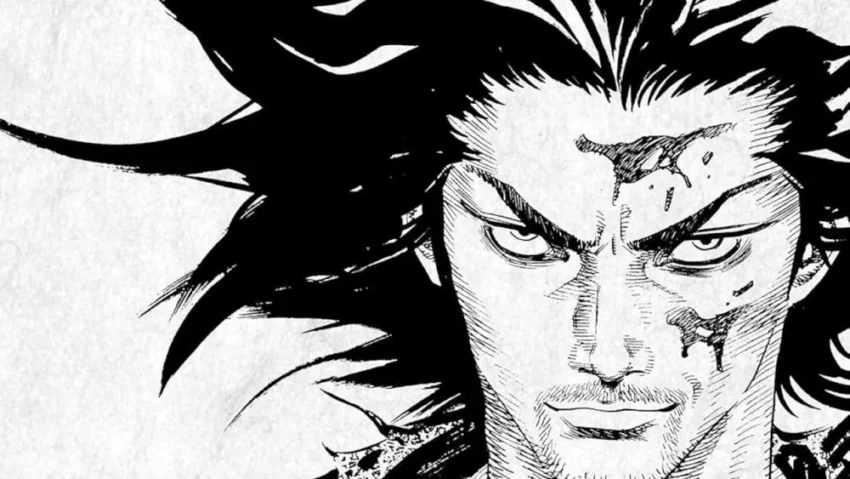
In the world of manga, few characters carry the enigmatic weight and poetic power of Sasaki Kojiro from Vagabond. Created by Takehiko Inoue, Vagabond reimagines the life of the legendary swordsman Miyamoto Musashi, drawing inspiration from Eiji Yoshikawa’s historical novel Musashi. However, in this retelling, Sasaki Kojiro is far more than just Musashi’s final rival—he is a fully fleshed-out character, imbued with silent brilliance, depth, and tragedy. Unlike the traditional depictions that often reduce Kojiro to a skilled but ultimately doomed opponent, Inoue paints a far more complex portrait. Kojiro becomes the embodiment of natural talent, pure martial expression, and a different kind of genius that contrasts powerfully with Musashi’s violent and self-tortured journey.
Sasaki Kojiro in Vagabond is not merely a foil or rival; he is the heart of the manga’s philosophical depth. His silence, his way of seeing the world, and his intuitive approach to swordsmanship offer an alternative path to the disciplined, blood-soaked journey Musashi walks. In many ways, Kojiro becomes a mirror—not in opposition, but in contrast—a reminder that greatness in the martial arts need not always be born from pain and conflict. His character is mesmerizing not because of what he says, but because of how he moves, how he learns, and how he exists in a world that often misunderstands him. Much like an unexpected detail in a modern outfit—say, cowboy snapbacks—Kojiro’s presence offers a surprising but fitting twist to the traditional samurai narrative.
The Silent Prodigy: Kojiro’s Unique Voice
One of the most distinctive elements of Sasaki Kojiro’s character in Vagabond is his complete silence. He is deaf and mute, a decision by Inoue that transforms the traditional archetype of a cocky, flamboyant swordsman into a quiet force of nature. This silence is not just a physical limitation—it is a fundamental aspect of Kojiro’s identity and perception. It alters how he experiences the world, learns from it, and expresses himself. While other characters rely on speech to assert dominance, express fear, or process emotion, Kojiro does it all through movement, expression, and pure instinct.
This silence does not make him distant or disconnected. In fact, Kojiro is portrayed with immense emotional depth, often showing a childlike wonder at the world around him. His joy when he feels the wind, the way he smiles after a good fight, or the glint in his eyes when watching birds in flight—these are all subtle cues that reveal a soul attuned to beauty and rhythm, not just violence. He’s not driven by hatred, ego, or vengeance. His motivation is rooted in a love for the sword and the purity of its expression. One could imagine him equally immersed in a sound healing course, given his deep sensitivity to rhythm and harmony.
Where Musashi grinds his way to greatness through hardship and struggle, Kojiro seems to embody effortlessness. His swordplay flows like water, precise and elegant, never wasted or forced. It’s a physical language that communicates more than words ever could. This wordless fluency becomes especially powerful in battle, where Kojiro’s intuition often allows him to read opponents with uncanny accuracy, almost like he’s listening to their movements with his body.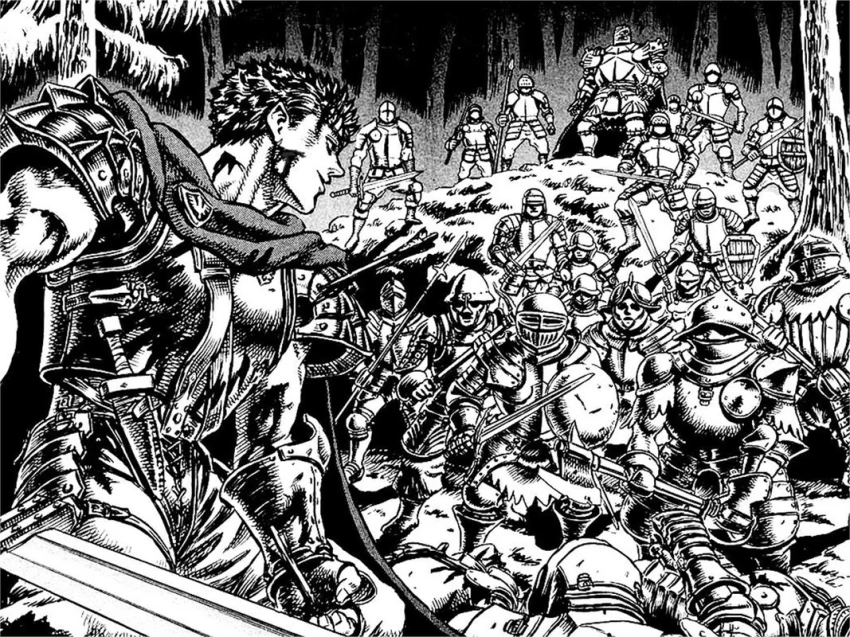
Kojiro’s silence also challenges the way we understand strength in manga. Many warriors boast, shout, and declare their goals before crossing blades. Kojiro, however, communicates his will through presence and action. There is no need for bravado. Every fight he enters becomes a canvas for expression, not destruction. He turns combat into art, reminding readers that sometimes, stillness and grace can be more powerful than noise and fury.
Natural Genius vs. Earned Strength
In Vagabond, the contrast between Musashi and Kojiro is more than just stylistic—it’s philosophical. Musashi represents the path of perseverance, suffering, and self-discovery. His journey is one of brutal self-reflection and transformation, constantly testing himself against stronger foes to understand what it means to be “invincible under the sun.” He is scarred, both physically and emotionally, and each fight is a step closer to his evolving identity. Much like a variable area flow meter measures change under varying conditions, Musashi’s growth is defined by how he adapts and flows through the challenges he encounters.
Kojiro, on the other hand, is a genius born, not made. He doesn’t chase greatness; he simply is great. His swordsmanship is instinctual, flowing naturally from his body like breath. There’s no need for theory or strategy—Kojiro’s understanding of combat is intuitive, immediate. While Musashi is constantly seeking, Kojiro is simply being. This difference highlights a central theme in Vagabond: the duality of talent and effort, and how each carves a different path to mastery.
Despite his natural brilliance, Kojiro is never portrayed as arrogant. He doesn’t see himself as superior to others, nor does he seek to prove himself. His genius is quiet, humble, even gentle. He fights not to conquer, but to connect. The joy he experiences in battle is not from domination, but from the shared rhythm between himself and his opponent. It’s as if he sees swordsmanship as a form of dance or music—a silent duet between two souls expressing themselves through motion. Much like how one might seek the best Asian massage Las Vegas offers for a harmonious and balanced experience, Kojiro’s approach to combat is about harmony rather than conflict.
This purity sets Kojiro apart. He isn’t corrupted by ambition, vengeance, or fear. In a world where most warriors fight to survive or rise in status, Kojiro fights to experience the world more deeply. His genius doesn’t isolate him—it opens him up to life’s beauty in ways that even the most seasoned warriors struggle to grasp. And this is perhaps the most powerful aspect of his character: his greatness isn’t rooted in suffering, but in joy. He is not the tortured genius. He is the blissful one.
Kojiro’s Relationships and Emotional Depth
Although Kojiro is silent, his emotional connections are some of the most profound in Vagabond. Through carefully crafted panels and powerful moments of subtle interaction, Inoue shows that Kojiro is not emotionally distant—he simply relates to others in a different language. His relationships with characters like Ito Ittosai, Ganryu’s retainers, and even strangers he meets along his journey all reveal a gentle and empathetic soul beneath the sword.
His bond with Ito Ittosai, his mentor, is particularly striking. Ittosai initially sees Kojiro as a fascinating oddity—an untapped prodigy. But over time, he develops a complicated sense of admiration, awe, and possibly even fear toward Kojiro. While Ittosai represents a more traditional and ruthless path of the sword, Kojiro’s intuitive brilliance and unshakable calm gradually challenge everything Ittosai believes about power. Their relationship becomes a meditation on mentorship, rivalry, and the limits of understanding another person’s soul.
Kojiro also demonstrates a deep sensitivity to the emotions of others, despite his inability to hear or speak. He notices small gestures, responds to unspoken tension, and offers comfort in quiet ways. When he saves or defends others, it’s rarely out of duty or pride—it’s often from a place of empathy. This emotional fluency sets him apart in a world where strength is too often equated with stoicism and violence. His attentiveness and care are qualities just as essential in professions like vacation rental cleaning services in Florida, where understanding unspoken needs makes all the difference.
Perhaps the most heartbreaking aspect of Kojiro’s emotional depth is his naïve optimism. He believes in beauty, in connection, in the possibility of mutual understanding through the sword. But as he moves through a world that values domination over harmony, that optimism is quietly, tragically tested. Kojiro never loses his core, but the world around him continues to push against it, reminding us of the fragility of innocence and the cost of staying true to oneself.
A Philosophical Counterpart to Musashi
Kojiro’s role in Vagabond goes beyond narrative foil—he is Musashi’s philosophical counterpart. Where Musashi seeks the truth of strength through constant struggle, Kojiro embodies truth through harmony with the world. This dichotomy is not a simple good versus bad or weak versus strong dynamic—it’s a nuanced exploration of two valid, deeply human approaches to mastery and meaning. Much like the balance sought in weight loss wellness in Wisconsin, these philosophies highlight different paths to achieving personal well-being and fulfillment.
In many ways, Kojiro’s presence in the story forces Musashi—and the reader—to ask difficult questions. What is the true purpose of strength? Can greatness be achieved without suffering? Is the path of hardship inherently more noble than that of joy? Musashi, haunted by violence and driven by the need to overcome, begins to see in Kojiro a version of himself unburdened by fear, untainted by anger. It’s not just that Kojiro is a rival—he’s a living alternative.
This philosophical contrast reaches its emotional peak when the two characters finally begin to draw closer toward their inevitable encounter. Even without words, the energy between them is electric, not just because of what will happen, but because of what each represents. The duel is not just physical—it is spiritual. A meeting of two opposing truths, destined to collide not out of hatred, but out of a shared desire to understand the world through the sword. Much like the precision and care required in a driveline replacement in West Seneca, their confrontation demands exact timing and skill to unfold properly.