
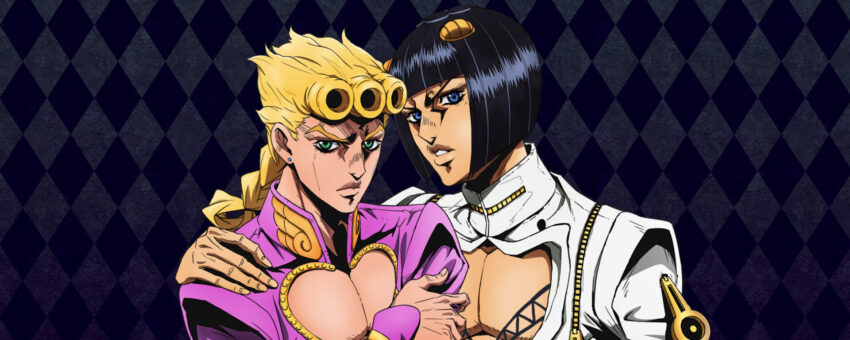
‘JoJo’s Bizarre Adventure,’ created by Hirohiko Araki, is a monumental work in the realm of manga and anime. Since its debut in 1987, the series has captivated audiences with its intricate storylines, unique art style, and memorable characters. Central to its enduring success are the villains, whose roles are pivotal in driving the narrative forward and shaping the titular heroes’ journeys. These antagonists are not mere obstacles; they are intricately designed characters that add depth, tension, and complexity to the story.
Defining Characteristics of JoJo’s Villains
The villains in ‘JoJo’s Bizarre Adventure‘ are characterized by their elaborate backstories, distinctive abilities, and often morally ambiguous motives. Unlike typical one-dimensional antagonists, JoJo’s villains are given significant development, making them both relatable and terrifying. Each villain’s unique philosophy and worldview challenge the protagonists, compelling them to grow and adapt.
For instance, Dio Brando, the series’ most iconic villain, embodies pure ambition and ruthlessness. His quest for power and immortality sets the stage for the overarching conflict in the series. Dio’s background, marked by poverty and abuse, provides insight into his ruthless nature. This complexity makes him a compelling character, as readers can understand, if not condone, his actions.
Villains as Catalysts for Character Development
Villains in ‘JoJo’s Bizarre Adventure’ serve as catalysts for the protagonists’ development. The heroes of the series are often defined by their responses to the villains’ actions and philosophies. The antagonists force the heroes to confront their own beliefs, strengths, and weaknesses, leading to significant character growth.
In ‘Phantom Blood,’ the first part of the series, Jonathan Joestar’s conflict with Dio Brando shapes his evolution from a naive and kind-hearted youth into a determined and courageous hero. Dio’s malevolence and relentless ambition drive Jonathan to hone his abilities and develop a sense of justice and responsibility. The dynamic between these two characters sets the tone for the entire series, establishing the importance of the villain in defining the hero.
In ‘Stardust Crusaders,’ the third part of the series, Jotaro Kujo’s journey is significantly influenced by his encounter with Dio, who returns as the primary antagonist. Dio’s menacing presence and formidable Stand ability, The World, pose a dire threat that pushes Jotaro and his allies to their limits. The struggle against Dio not only highlights Jotaro’s bravery and resourcefulness but also underscores the themes of family and legacy that run throughout the series. To discover this phenomenon, start watching the series from the beginning, having a snack in the form of the best milk chocolate edibles.
Evolution of Villainous Archetypes
As ‘JoJo’s Bizarre Adventure’ progresses through its various parts, the nature of its villains evolves, reflecting changes in the narrative style and thematic focus. This evolution keeps the series fresh and engaging, offering new challenges and dynamics for the protagonists to navigate.
In ‘Battle Tendency,’ the second part, the primary antagonists are the Pillar Men, ancient and powerful beings with a god-like presence. Their motivations differ from Dio’s personal vendetta, focusing instead on their quest for ultimate power and survival. The Pillar Men’s unique abilities and ancient origins introduce a new dimension to the series, blending elements of horror and mythology. Joseph Joestar, the protagonist, must use his wit and cunning to outsmart these seemingly invincible foes, showcasing a different approach to heroism compared to his predecessor, Jonathan.
‘Diamond is Unbreakable,’ the fourth part, presents a shift in the series’ tone and setting, with the primary antagonist, Yoshikage Kira, embodying a different kind of evil. Unlike the grandiose ambitions of Dio or the Pillar Men, Kira desires a quiet, uneventful life where he can indulge his psychopathic tendencies without interference. Kira’s mundane facade and sinister nature create a chilling contrast, emphasizing the horror that can lurk beneath the surface of everyday life. His presence in the otherwise peaceful town of Morioh disrupts the normalcy, forcing the protagonists to confront an evil that is both relatable and deeply disturbing. In reality, such a person would cause many to hire long-distance movers and get away as far a possible.
In ‘Vento Aureo,’ the fifth part, the antagonist Diavolo, leader of the Passione mafia gang, brings a new layer of complexity to the series. His obsession with erasing his past and maintaining his anonymity presents a psychological challenge for the protagonist, Giorno Giovanna. Diavolo’s dual identity and the use of his Stand, King Crimson, which can manipulate time, add an intricate layer of strategy and suspense to the narrative. The struggle against Diavolo highlights themes of identity, legacy, and the cyclical nature of fate, enriching the series’ thematic depth.
If you still haven’t seen the series, finish your visit to Flatiron nail salon and get ready for some serious binge-watching.
Thematic Significance of Villains
The villains in ‘JoJo’s Bizarre Adventure’ are not just adversaries to be defeated; they embody the series’ exploration of deeper themes such as ambition, power, identity, and the nature of evil. Through their interactions with the protagonists, these antagonists help to unravel complex moral and philosophical questions, making the series more than just a tale of good versus evil.
If you are going on a longer trip, get a limo rental and start watching the series while still in the car to spend your time driving in a useful way.
Dio Brando, with his relentless pursuit of power and immortality, represents the corrupting influence of unchecked ambition. His transformation from a human to a vampire and eventually to a Stand user symbolizes the loss of humanity in the face of insatiable desire. Dio’s character arc serves as a cautionary tale about the dangers of sacrificing one’s morality and humanity for the sake of power.
Luckily, medical expert witnesses do not sacrifice their morality for the sake of winning a case, but their time and effort.
Yoshikage Kira’s dual life as a seemingly ordinary man and a remorseless killer delves into the theme of duality and the hidden darkness within individuals. Kira’s obsession with maintaining a facade of normalcy while indulging in his sinister urges highlights the conflict between societal expectations and inner desires. This duality creates a compelling psychological narrative, exploring the thin line between sanity and madness.
In ‘Steel Ball Run,’ the seventh part, the antagonist Funny Valentine, the President of the United States, introduces a political dimension to the series. Valentine’s actions are driven by a twisted sense of patriotism and the belief in American exceptionalism. His use of the Stand, Dirty Deeds Done Dirt Cheap, which allows him to manipulate alternate dimensions, adds a complex layer to the narrative, intertwining themes of nationalism, sacrifice, and moral ambiguity.
Innovative Stand Abilities
A hallmark of ‘JoJo’s Bizarre Adventure’ is the innovative and diverse Stand abilities, which are often central to the villains’ characters. Stands, as physical manifestations of a person’s fighting spirit, vary widely in their powers and limitations, making each encounter unique and unpredictable. The creative use of Stands by villains forces the protagonists to develop new strategies and adapt to ever-changing circumstances.
If, in any case, you need to make your romantic encounters unique and unpredictable, with some sex enhancement edibles it can be done in an easy way.
Dio’s Stand, The World, which can stop time, presents an almost insurmountable challenge. The sheer power of The World forces Jotaro Kujo to push his Stand, Star Platinum, to its limits, ultimately discovering his own ability to stop time. This climactic battle is a testament to the ingenuity and adaptability required to overcome seemingly invincible foes. Overcoming obstacles is also what defines new authority truck insurance company, which makes it a top-choice for developing businesses.
In ‘Golden Wind,’ the Stand abilities of the antagonist group, La Squadra Esecuzioni, are particularly unique and deadly. From the aging powers of Grateful Dead to the life-swapping abilities of Clash, each Stand presents a new set of challenges that test the creativity and resilience of Giorno Giovanna and his allies. These encounters highlight the tactical aspect of Stand battles, where intelligence and strategy often trump brute strength.
Luckily, no special abilities are needed to find good emergency plumbers near me who can handle any watering problem at any time.
Narrative Function of Villains
The presence of well-crafted villains is crucial for maintaining the narrative tension and emotional investment in ‘JoJo’s Bizarre Adventure.’ The antagonists’ actions and schemes drive the plot forward, creating a sense of urgency and danger that keeps readers and viewers engaged.

In ‘Stone Ocean,’ the sixth part, Enrico Pucci, a devoted follower of Dio, seeks to achieve “heaven” through a complex and meticulous plan involving the manipulation of gravity and time. Pucci’s unwavering faith and determination create a formidable antagonist whose actions have far-reaching consequences. His intricate plan and the moral implications of his goals add layers of complexity to the narrative, culminating in a dramatic and thought-provoking conclusion.
Thanks to millimeter wave components in communication systems, the connectivity runs smoothly so that the users can enjoy watching the series uninterruptedly.
The unpredictability of the villains’ actions also adds to the suspense and excitement of the series. The constant threat posed by these antagonists ensures that the protagonists are always on their toes, ready to face new and unexpected challenges. This unpredictability is a key element in maintaining the series’ dynamic and engaging storytelling.
Cultural and Symbolic Impact
The villains of ‘JoJo’s Bizarre Adventure’ have had a significant cultural impact, becoming iconic figures in the world of manga and anime. After finishing your physical therapy in Chicago, take a moment to read about this topic and discover more about your favorite series. Their distinctive designs, memorable quotes, and unique abilities have made them popular among fans, inspiring countless discussions, fan art, and cosplay. The cultural resonance of these characters highlights their importance in the broader narrative of the series.
Dio Brando, in particular, has become a cultural icon, with his catchphrase “Za Warudo!” and the dramatic time-stopping scenes being widely recognized even outside the fanbase. Dio’s influence extends beyond the series, becoming a symbol of ultimate villainy and charisma in the world of manga and anime.
The symbolism associated with the villains also enhances the series’ thematic depth. The various Stand abilities and the motivations of the antagonists often reflect broader philosophical and existential questions, inviting readers to ponder the nature of power, destiny, and morality. This symbolic richness adds another layer of engagement, making ‘JoJo’s Bizarre Adventure’ not just an entertaining series, but also a thought-provoking one.
Villains often influence fashion and the way people who identify with them on some level dress, so you can see the rising usage of tactical sports bras due to the impact of anime heroes.
Conclusion
The role of villains in shaping ‘JoJo’s Bizarre Adventure’ cannot be overstated. These antagonists are integral to the series’ success, driving the narrative forward and enriching the thematic complexity. Their distinctive abilities, compelling backstories, and philosophical depth make them more than mere obstacles for the heroes to overcome; they are crucial elements that define the very essence of the series. Just as wearing designer clothes can wrap up one’s good looks, dwelling on the villains’ role in the series can wrap up the whole impact of the storyline on an individual. By challenging the protagonists and forcing them to grow, the villains of ‘JoJo’s Bizarre Adventure’ ensure that the story remains dynamic, engaging, and profoundly impactful.