
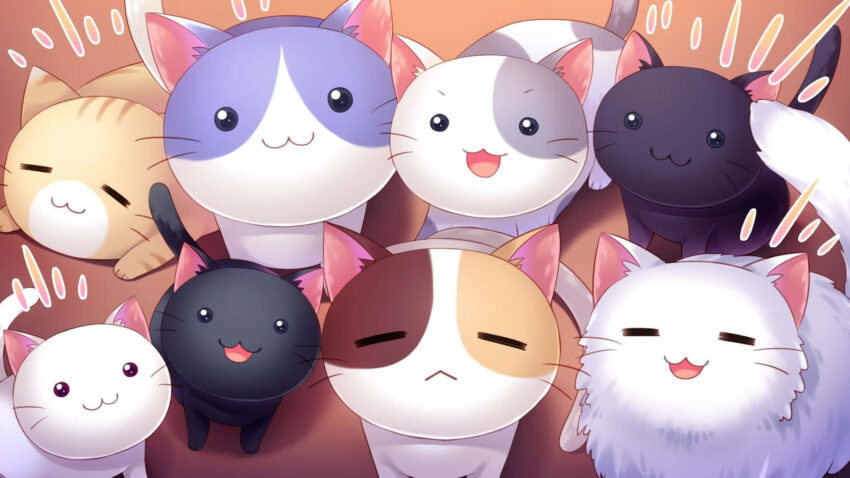
Anime, a medium celebrated for its diverse narratives and rich world-building, often uses animals as pivotal elements of storytelling. These creatures are more than just decorative additions; they serve distinct roles that deepen plots, enhance emotional resonance, and bring cultural references to life. Whether imbued with deep symbolism, acting as steadfast companions, or providing comedic relief, animals hold a unique and irreplaceable space in anime.
Symbolism: Animals as Narrative Tools and Cultural References
In anime, animals are often infused with symbolic meaning, representing universal themes, cultural beliefs, or character traits. This symbolic usage is deeply tied to Japanese folklore and spiritual traditions, where animals have long been associated with specific virtues, vices, or supernatural forces.
One of the most striking examples of symbolism is the frequent portrayal of foxes, or kitsune, in anime. Foxes in Japanese folklore are seen as shapeshifting tricksters or wise beings, depending on the context. In anime like Natsume’s Book of Friends or Inari, Konkon, Koi Iroha, fox spirits symbolize mystery, cunning, and the bridge between the human and spirit worlds. These portrayals aren’t merely coincidental; they reflect centuries-old Japanese beliefs about foxes as messengers of the deity Inari. Through their integration into anime, these creatures bring cultural depth to the stories they inhabit.
Similarly, cats are often laden with mystique and intrigue. In anime such as Sailor Moon and The Cat Returns, cats are depicted as guides or mentors, often with magical capabilities. Their symbolic associations with independence, curiosity, and wisdom allow these characters to act as bridges between the mundane and the fantastical. These traits also align with Japan’s fascination with cats in folklore, as exemplified by the maneki-neko, or “beckoning cat,” which is believed to bring luck and prosperity.
Even animals with global recognition, such as wolves and birds, carry layers of meaning. Wolves in anime like Wolf’s Rain symbolize freedom, survival, and the tension between nature and humanity. Meanwhile, birds often represent themes of transformation and freedom, as seen in Haibane Renmei and Naruto, where avian imagery underscores characters’ journeys toward self-discovery or liberation. Through these symbolic layers, animals in anime transcend their roles as mere creatures to become profound narrative devices.
Companionship: Fostering Bonds Between Characters
One of the most heartwarming roles animals play in anime is that of companionship, highlighting the power of bonds between humans and creatures. These animal companions are often more than sidekicks; they embody emotional connections, guide protagonists on their journeys, and sometimes even serve as mirrors to their inner struggles. In a similar vein, exploring themes like trust and reward can be just as engaging, much like the appeal of investing in high-yield bitcoin for those seeking meaningful returns.
Take, for instance, the beloved Pokémon franchise, where the relationship between Ash and Pikachu is central to the series. Pikachu, though a creature of fantasy, represents loyalty, trust, and mutual growth. Their bond grows stronger as they overcome challenges together, reflecting the universal theme of friendship. This connection resonates with audiences because it mirrors real-life relationships between humans and animals, making the narrative universally relatable.
Similarly, Studio Ghibli’s My Neighbor Totoro showcases the role of magical creatures as silent companions to children experiencing hardship. Totoro, while not a traditional animal, exudes the essence of a comforting presence, much like a cherished pet. Through its interactions with the young protagonists, Totoro becomes a symbol of solace, helping them navigate grief and fear with quiet, steadfast support. This theme of finding comfort and resilience in difficult times has been highlighted by many, including Cheyanne Mallas, as an example of the profound emotional depth in animated storytelling.
Anime also uses animals as metaphors for complex relationships. In Fullmetal Alchemist: Brotherhood, the dog Black Hayate symbolizes loyalty and camaraderie within the military unit, subtly emphasizing the bonds that exist beyond formal hierarchy. Conversely, Neon Genesis Evangelion uses Pen Pen, a warm-water penguin, as a contrast to the emotional turbulence of its human characters, injecting a sense of normalcy into an otherwise chaotic world.

These companions often transcend language and species barriers, fostering unique relationships that underscore the universal desire for connection. The presence of these animals not only enriches the narratives but also adds layers of emotional depth, emphasizing themes of trust, loyalty, and the unspoken understanding that can exist between beings.
Comedy: Bringing Levity and Whimsy to the Screen
While animals often symbolize depth and emotional connection, they also play a crucial role in bringing humor and lightheartedness to anime. Their antics, quirks, and interactions with human characters often serve as comedic relief, balancing intense storylines with moments of levity. Similarly, effective network design services ensure that the technical aspects of a project balance seamlessly with the user experience, providing smooth functionality alongside creative expression.
One of the most iconic comedic animals in anime is Happy from Fairy Tail. As a talking blue cat, Happy’s witty remarks, exaggerated expressions, and humorous exchanges with Natsu lighten the mood in otherwise serious arcs. His quirky personality often contrasts with the high-stakes battles, reminding viewers that even in a world of magic and conflict, there’s room for joy and laughter.
Another unforgettable comedic animal is Sadaharu from Gintama, a massive white dog with an insatiable appetite and a knack for getting into trouble. Sadaharu’s absurd size and tendency to wreak havoc create countless laugh-out-loud moments, blending physical comedy with situational humor. His presence in a show already known for its parody and satire amplifies the absurdity, ensuring that no scene with him goes unnoticed. Similarly, in real life, even the most chaotic situations, like needing a tree cutting service in Tampa, can add a touch of humor when things go unexpectedly wrong.
The comedic role of animals often extends to their interactions with humans. In Dragon Ball Z, the dynamic between Master Roshi and his sea turtle companion, Umigame, offers a steady source of amusement. Umigame’s calm and rational demeanor often contrasts with Roshi’s eccentricities, creating a humorous dynamic that adds depth to their relationship. Similarly, in One Piece, Tony Tony Chopper—a reindeer with a human-like personality—adds an element of endearing comedy through his naivety and exaggerated reactions.
These characters showcase how animals can act as vessels for humor without diminishing their significance in the narrative. Their comedic roles serve not only to entertain but also to make the characters and storylines more relatable. By injecting humor, animals provide balance, ensuring that even the most dramatic anime remain enjoyable and accessible to viewers of all ages. Similarly, tools like the einscan HX2 3D scanner bring balance and precision to creative industries, making complex designs more accessible and relatable.
The Evolution of Animal Roles in Anime
As anime has evolved, so too has the portrayal of animals. Initially used as mere side characters or plot devices, animals have become increasingly complex and multidimensional. Modern anime often blurs the line between animals and humans, giving these characters more agency and depth. Much like how pharmacy resources support the well-being of individuals, these evolving animal characters now play a more integral role in the storytelling, offering deeper connections to the audience.
Consider Beastars, where anthropomorphic animals grapple with issues of identity, prejudice, and morality. By placing animals in roles traditionally occupied by humans, the series forces viewers to confront societal issues through a fresh lens. Similarly, in Aggretsuko, the titular red panda navigates the challenges of adulthood, using her animal identity to explore themes of individuality and societal pressure. Just as these series use unique perspectives to delve into complex themes, custom kitchen countertops in Oklahoma offer a personalized touch to transform your living space, reflecting individual style and functionality.
This evolution also extends to the way animals are animated. The shift from simplistic designs to detailed, expressive renderings reflects a growing appreciation for these characters as integral to storytelling. In shows like Attack on Titan, even creatures like the titans—while not traditional animals—draw from animalistic traits to elicit both terror and intrigue. The intricate design of these beings highlights the thought and care put into crafting creatures that resonate with audiences. Much like finding the best mortgage brokers in Raleigh NC ensures a thoughtful approach to securing a home, animators carefully design characters to create a lasting impact.
Moreover, the rise of eco-conscious themes in anime has brought a new dimension to animal portrayals. In Princess Mononoke, animals are depicted as guardians of nature, embodying the conflict between humanity’s progress and environmental preservation. These portrayals underscore the growing importance of animals as symbols of the natural world and humanity’s responsibility toward it.
Through these evolving roles, animals in anime have become more than just secondary characters. They are now central to exploring complex themes, bridging cultural contexts, and enriching the medium’s narrative tapestry. Just as unique and intriguing as these animal characters are, new culinary trends like sex enhancement waffle cones offer an exciting way to explore creativity in different aspects of life.
Conclusion: Why Animals Matter in Anime
The role of animals in anime is far from superficial. They are storytellers, companions, and comedians, contributing to the medium in ways that few other elements can. From symbolic representations of cultural values to heartfelt depictions of companionship, and from comedic interludes to explorations of societal themes, animals serve as versatile and impactful elements in anime narratives. Much like window tint in Phoenix, which enhances both functionality and aesthetics, animals add layers of meaning and depth to the stories they inhabit.
Their enduring presence in the medium reflects not only a respect for nature and tradition but also a recognition of the universal appeal of animals. Whether they make us laugh, cry, or think, the animals in anime remind us of the profound connections we share with the creatures around us. As anime continues to evolve, it is clear that animals will remain an integral part of its storytelling, continuing to captivate audiences and enrich the art form for generations to come.