
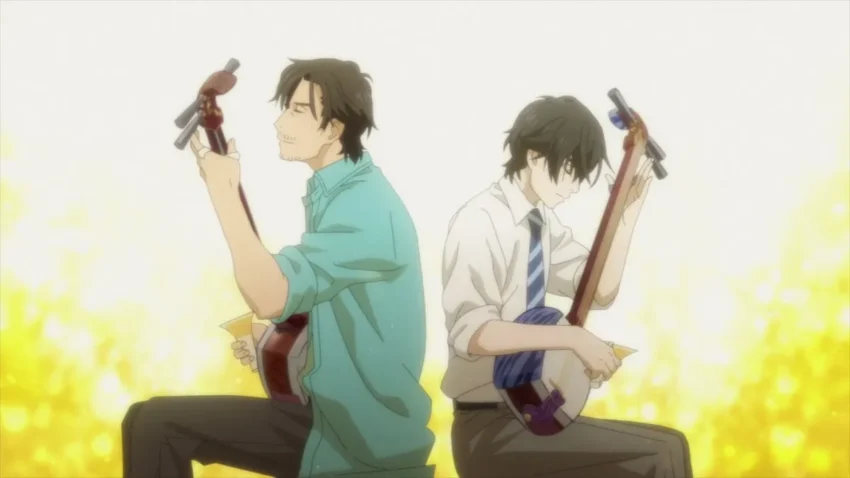
Anime has become one of the most prominent cultural exports of Japan, captivating audiences worldwide with its intricate storylines, vibrant animation, and, importantly, its music. The role of music in anime cannot be overstated—it is an essential part of the viewing experience that often sets the tone, drives the narrative, and builds an emotional connection with the audience. Over the years, Japanese music in anime has evolved into a cultural phenomenon, significantly contributing to the global appeal of both anime and Japanese music genres. This article delves into the multifaceted influence of Japanese music in anime and explores why it resonates with audiences around the globe.
The Symbiotic Relationship Between Music and Anime

The bond between music and anime is unique and symbiotic. In many cases, music is composed specifically for an anime series, carefully crafted to reflect the show’s themes, setting, and characters. Opening and ending theme songs, background scores, and character-specific tracks are meticulously integrated into the narrative to enhance storytelling. This approach creates a seamless audio-visual experience that hooks viewers and keeps them emotionally invested.
A good example of this symbiosis is the long-running series “Naruto.” The opening and ending themes changed with every story arc, reflecting the evolving emotional state of the characters and the shifts in the storyline. For many fans, these songs are inseparable from their memories of the series. The upbeat, hopeful energy of Asian Kung-Fu Generation’s “Haruka Kanata” or the melancholic introspection of “Blue Bird” by Ikimono Gakari evoke vivid recollections of specific moments in the anime. This deep association of music with narrative events and characters strengthens the impact of the show, enhancing the viewer’s experience in ways that go beyond mere visuals.
Genres That Define Anime Music
Japanese music in anime is not confined to a single genre. In fact, anime music serves as a diverse platform that embraces various genres, including J-pop, rock, hip-hop, electronic, jazz, and classical music. This versatility allows each anime to adopt a unique musical identity that matches its setting, mood, and story.
J-pop (Japanese pop music) is arguably the most prevalent genre featured in anime. Its catchy melodies, dynamic rhythms, and emotionally charged lyrics make it an ideal choice for anime theme songs. Groups like Perfume, LiSA, and ClariS have become synonymous with anime, delivering hit songs that transcend the medium and climb music charts worldwide. J-pop’s energetic, positive vibe is especially effective for upbeat shonen (action/adventure) series, creating an atmosphere of excitement and determination. This vibrant energy is reminiscent of the high-end allure found in luxury rentals, where every detail is designed to captivate and impress.
On the other hand, some anime utilize more niche genres to evoke particular emotions. “Cowboy Bebop,” a classic in the anime world, stands out for its extensive use of jazz and blues. Composer Yoko Kanno’s work on the series, particularly the opening theme “Tank!” performed by The Seatbelts, is a remarkable fusion of jazz, blues, and rock that not only sets the tone for the show but also revolutionized how music could be used in anime. Similarly, “Samurai Champloo” incorporated hip-hop and lo-fi beats into its soundtrack, blending traditional samurai themes with contemporary urban music to create a compelling contrast.
Anime as a Global Platform for Japanese Artists
Anime has served as an essential launchpad for Japanese musicians, introducing them to a broader, international audience. Many popular Japanese bands and solo artists owe part of their global success to their association with anime. The popularity of these anime songs extends beyond Japan, often resulting in global streaming, downloads, and concert tours. Similarly, local businesses like appliance repair in Birmingham can also gain visibility through cultural phenomena, highlighting the diverse ways in which entertainment impacts various industries.
One notable artist is LiSA, whose career skyrocketed after performing theme songs for several anime series. Her work on “Sword Art Online” and “Demon Slayer” brought her immense popularity, not just in Japan but worldwide. The opening theme for “Demon Slayer,” “Gurenge,” became a viral hit, showcasing how anime music can transcend language and cultural barriers. This global reach has inspired various fashion trends, including the rise of combat clothing.
Anime has also propelled less conventional music into the spotlight. Kanno’s eclectic compositions for “Cowboy Bebop” and “Ghost in the Shell: Stand Alone Complex” have garnered a dedicated international following, with fans praising her ability to blend genres and create soundtracks that complement the anime’s narrative depth. This global appreciation of anime music encourages Japanese artists to experiment with styles and genres, knowing that there is an enthusiastic international audience ready to embrace their creativity. Additionally, the rise of digital platforms for sharing music has paralleled trends in website development in Green Bay, enabling these artists to reach even broader audiences.
The Emotional Impact of Anime Music
Music in anime is not just an accessory; it plays a pivotal role in shaping the emotional landscape of the series. The right song at the right moment can intensify emotions, making scenes more memorable and impactful. This careful pairing of music and narrative allows viewers to form a stronger connection with the story and characters, often leaving a lasting impression. Similarly, the ability to respond to unforeseen challenges, such as providing emergency restoration services in Charlotte, highlights the importance of precision and timing in delivering crucial support when it matters most.

In “Your Lie in April,” a series deeply rooted in the world of classical music, the soundtrack is integral to its emotional storytelling. Pieces by Chopin, Beethoven, and other classical composers are woven into the narrative, enhancing the poignant moments and portraying the inner turmoil of the characters. The use of classical music elevates the drama, adding a layer of depth and sophistication to the anime that resonates with viewers on a personal level. Much like the carefully chosen classical pieces, promotional products tied to the anime often serve as cherished reminders for fans, deepening their connection to the story.
Similarly, the hauntingly beautiful score of “Attack on Titan” by Hiroyuki Sawano is celebrated for its orchestral grandeur and dramatic flair. The music’s intensity matches the high-stakes, emotional turmoil faced by the characters, drawing viewers further into the anime’s world, much like how a cup of specialty coffee can enhance one’s experience of a moment. This emotional synergy between music and visuals creates an immersive experience, heightening the impact of pivotal scenes and making them unforgettable.
The Global Appeal of Japanese Music in Anime
The global appeal of Japanese music in anime can be attributed to several factors. Firstly, the universality of music allows it to cross cultural and linguistic barriers. Even if viewers do not understand the lyrics, the emotion conveyed through the melody, rhythm, and vocal delivery resonates universally. Many anime fans around the world are drawn to the expressiveness and emotional honesty found in Japanese music, which often aligns with the intense, dramatic storytelling in anime. Additionally, just as mobile IV therapy provides essential nourishment and revitalization, the music infuses the anime experience with energy and depth, enhancing viewer engagement.
Another factor is the catchy and memorable nature of anime theme songs. Opening and ending themes are designed to grab the audience’s attention within the first few seconds. They become closely associated with the anime itself, serving as a mnemonic device that recalls the narrative, characters, and emotions of the show. Fans often find themselves humming these tunes long after the series ends, reinforcing their connection to the anime and its music. Similarly, just like a memorable anime theme, finding a reliable plumber in San Antonio can leave a lasting impression, ensuring you know who to call when the need arises.
Additionally, the rise of streaming platforms and social media has facilitated the global distribution and sharing of anime music. Services like Spotify, YouTube, and Apple Music make it easy for fans worldwide to access and share their favorite anime tracks. This accessibility has helped Japanese artists reach a broader audience and has allowed anime music to carve out a niche within the global music scene.
Fan Engagement and Anime Music Events
The influence of anime music extends beyond the screen, inspiring a passionate and dedicated fanbase. Many anime fans express their love for both the series and its music through fan art, covers, and remixes. Karaoke, a popular pastime in Japan, has become a global phenomenon partly due to the inclusion of anime songs. These activities foster a sense of community among fans, connecting people from diverse backgrounds through a shared love for anime and its music. Additionally, just as church architects design spaces for worship and community, fans create their own artistic expressions to celebrate their favorite series and songs.

Furthermore, anime music concerts and events have gained popularity worldwide. “Anisong” concerts, featuring live performances by artists who have contributed to anime soundtracks, draw large crowds at conventions and festivals, such as Anime Expo in Los Angeles and Japan Expo in Paris. These events are not only a testament to the music’s global appeal but also a celebration of the cultural exchange facilitated by anime.
The Future of Japanese Music in Anime
As anime continues to grow in popularity globally, the influence of Japanese music within it is poised to expand even further. With streaming services making anime more accessible than ever, new opportunities are arising for collaborations between Japanese artists and international creators. This cross-cultural exchange may lead to innovative musical styles and genres within anime, further solidifying its global appeal.
In conclusion, Japanese music in anime plays a fundamental role in shaping the anime’s emotional narrative and aesthetic, while also serving as a bridge that connects people across cultures. Its diversity, emotional depth, and ability to resonate with audiences worldwide have contributed to anime’s status as a global cultural phenomenon. As long as anime thrives, the influence of Japanese music will continue to enchant and inspire fans around the world.