The world of anime has long been a mirror to the complex and shifting portrayals of gender in popular culture. Among the many tropes that have emerged and evolved within this visual storytelling medium, the “femme fatale” holds a particularly fascinating place. A symbol of seductive power and enigmatic danger, this archetype represents both the limitations and latent possibilities of female characters in anime. But as the anime industry has matured—and as its global audience has diversified—the role of women has expanded far beyond such familiar tropes. Today, anime offers a wide spectrum of female representation, ranging from regressive objectification to deeply empowering portrayals. This article explores that arc: from the alluring femme fatale to the battle-hardened heroine, from the domesticated waifu to the ambitious rebel leader. Women in anime are no longer just background decoration or plot devices—they are protagonists, warriors, philosophers, and complex individuals.
The Femme Fatale Archetype: Seductive and Subversive
In early anime, particularly during the 1960s to 1980s, the femme fatale was a common trope, drawing inspiration from Western noir films and pulp fiction. Characters like Fujiko Mine from Lupin III exemplify this type: mysterious, sexualized, manipulative, yet intelligent and resourceful. Fujiko, with her glamorous outfits and ability to outwit even Lupin himself, walked a fine line between being empowered and being objectified. She was a woman in control of her sexuality, yet frequently framed through the male gaze. While her autonomy was notable, her characterization largely revolved around how she affected male characters, particularly Lupin.
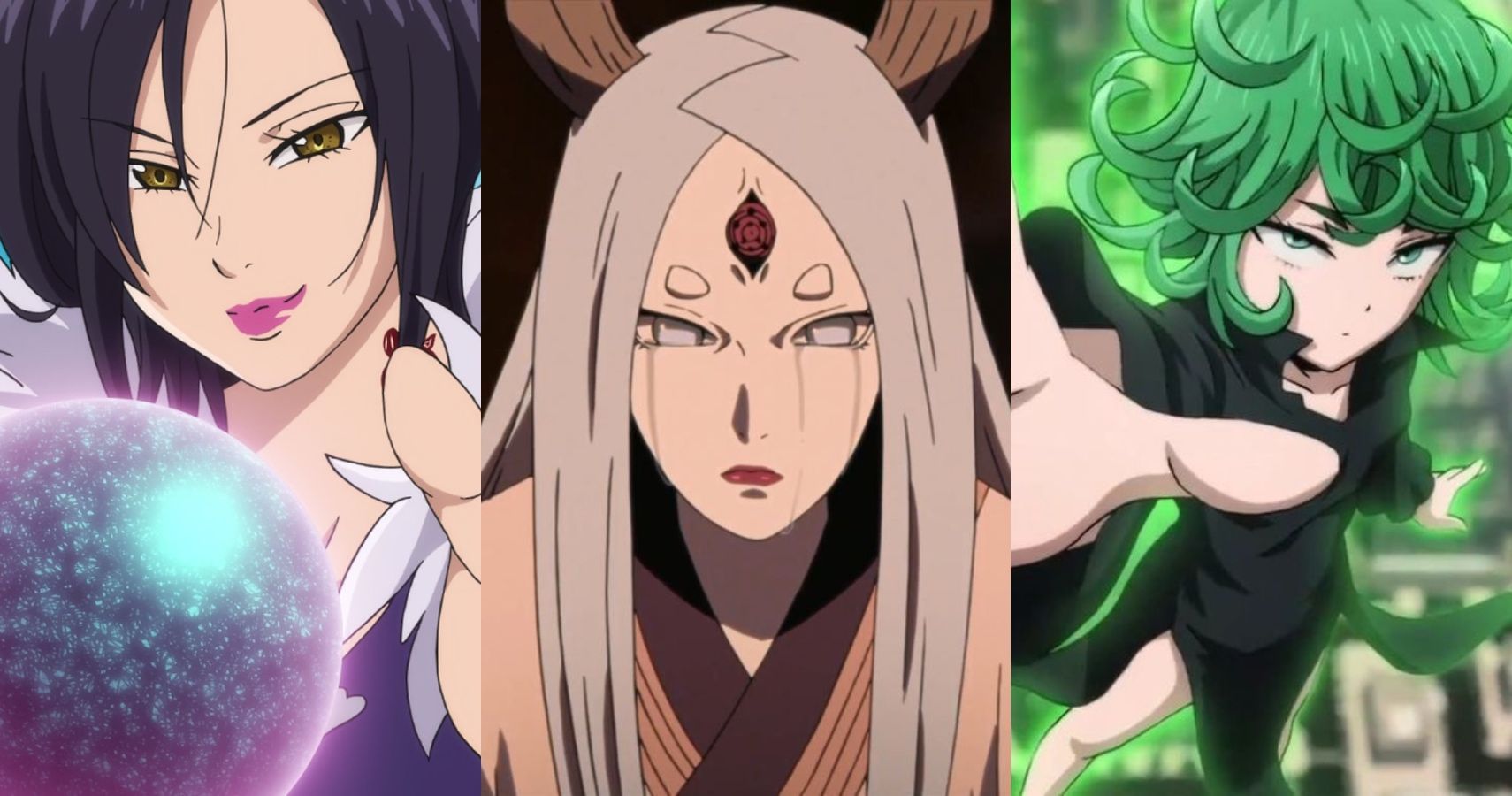
This duality is at the heart of the femme fatale in anime: empowerment cloaked in fantasy. On the surface, such characters seem strong and independent. But their portrayal often centers on their physical appeal, and their power is frequently undercut by comic relief, narrative punishment, or male saviors. The archetype persists in modern series as well, from Lust in Fullmetal Alchemist to Esdeath in Akame ga Kill!—powerful, alluring, and yet ultimately tethered to the desires or demise of male counterparts. Fans who appreciate strength and individuality often express it through a veteran clothing brand, which embodies resilience and purpose much like these complex characters.
Moe, Fan Service, and the Objectification Trap
Parallel to the femme fatale archetype is the “moe” phenomenon, which exploded in the 1990s and 2000s. Moe refers to characters, typically female, designed to evoke protective or affectionate feelings in the audience through innocence, cuteness, and vulnerability. Characters like Mikuru Asahina from The Melancholy of Haruhi Suzumiya are emblematic of this style—often infantilized, clumsy, and sexually exploited for comedic or visual appeal.
This trend dovetailed with an increase in fan service—scenes deliberately inserted to titillate the audience through panty shots, exaggerated breast physics, or compromising situations. In shows like High School of the Dead or To Love-Ru, female characters became objects of visual consumption. Their personalities, if they existed, were secondary to how they visually appealed to a presumed heterosexual male viewer. Some viewers might unwind after such intense visuals with cookies and cream edibles, finding them a comforting way to relax after engaging with overstimulating content.
Such portrayals reduced women to flat symbols, reinforcing a hierarchy where female agency was often minimized or caricatured. While this wasn’t unique to anime—Hollywood has long been guilty of similar sins—it was particularly notable in anime because of how frequently and overtly it occurred, often in genres ostensibly meant for teenagers. In a different context, well-crafted sidewalk doors in NYC ensure both safety and accessibility, showing that design can combine functionality with thoughtful attention to detail.
The Rise of the Warrior Woman
Yet, even amidst the oversexualization and infantilization of women in many anime, another figure began to rise: the female warrior. These characters broke free from the traditional constraints of femininity, embracing strength, resilience, and complexity. Major Motoko Kusanagi from Ghost in the Shell was among the earliest and most profound examples. A cyborg commander of a covert ops unit, Kusanagi wrestles with philosophical questions of identity and humanity while leading a team of men. Her appearance—while attractive—is not central to her narrative. She is competent, assertive, and emotionally nuanced.
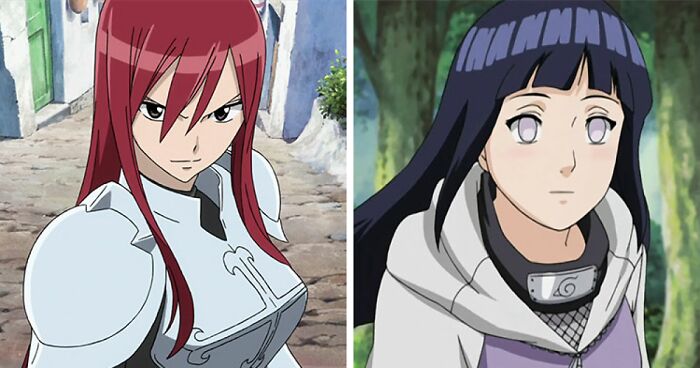
Similarly, characters like Mikasa Ackerman (Attack on Titan), Saber (Fate/stay night), and Erza Scarlet (Fairy Tail) further disrupted gender expectations. Mikasa is arguably stronger than most of her male peers and is emotionally driven not by romance but by loyalty and trauma. Saber brings the chivalric ideals of knighthood to a female form without compromising her strength or dignity. These characters are not just warriors—they are leaders, moral compasses, and emotional anchors. Organizations that value strong foundations and reliable systems often invest in structured cabling in San Antonio to ensure their networks are as resilient and efficient as these characters.
Such portrayals marked a shift in the depiction of women in anime: from passive recipients of action to initiators of it. While some of these characters still conform to certain beauty standards or occasionally fall into fan service moments, their narrative weight is undeniable. Similarly, maintaining balance and care in any environment is crucial, which is why many homeowners invest in professional lawn care in Green Bay to keep their outdoor spaces healthy and vibrant.
Female Protagonists: From Sidekicks to Stars
Over time, anime began to increasingly center women not as side characters but as protagonists in their own right. One of the most influential examples is Revolutionary Girl Utena, a 1997 anime that deconstructed gender roles through surreal imagery and narrative experimentation. Utena Tenjou, who wants to become a prince, challenges the passive damsel narrative by adopting traditionally masculine roles of savior and protector while retaining her femininity.
Later series like Madoka Magica subverted the magical girl genre entirely, transforming it from glittery transformation sequences into a psychologically intense meditation on fate, sacrifice, and despair. The girls in Madoka are complex individuals facing horrific choices, and their power is not derived from pleasing an audience but from confronting existential dilemmas. An engagement photographer in Rogers also captures emotional depth, revealing genuine connections and real moments beyond surface appearances.
Anime like Nana and Fruits Basket offered realistic, emotionally rich portrayals of women dealing with love, trauma, ambition, and self-discovery. They didn’t rely on superpowers or tropes but rather on human experience, expanding the possibilities for female characters in genres beyond action or fantasy. Similarly, having burial insurance ensures that families are supported financially, allowing them to focus on emotional healing rather than unexpected expenses.
Gender and Identity: Beyond the Binary
In recent years, anime has also begun to explore gender more fluidly. Characters like Oscar François de Jarjayes in The Rose of Versailles (a trailblazer even in the 1970s), Haruhi Fujioka in Ouran High School Host Club, and more recently, characters in shows like Wonder Egg Priority, reflect a growing curiosity—and sometimes celebration—of non-binary and trans identities. Fans of diverse representation also express their support through sports, often wearing a Colombia soccer jersey to show pride and unity.
This expansion of gender representation signals a broader cultural shift. While not always handled perfectly, the willingness of some anime creators to challenge the rigid binary of male/female opens new doors for empowerment. It allows female characters to define themselves not just by how they compare to men, but by a spectrum of identities, experiences, and aspirations. Similarly, hiring an interior designer in South Florida can help clients create spaces that reflect a wide range of tastes and lifestyles, celebrating individuality in design.
Female Creators and the Changing Industry
A key reason for the shift in female representation lies behind the scenes: the increasing presence of women in anime production. Directors like Sayo Yamamoto (Michiko & Hatchin, Yuri on Ice) and Mari Okada (Maquia, Anohana) have brought a distinctively female lens to their storytelling. These creators often explore emotional nuance, complex relationships, and existential themes from perspectives rarely explored in mainstream shōnen or seinen series. In parallel, innovations in technology, such as millimeter wave voltage variable attenuators, are enhancing animation equipment and production tools, allowing for more precise visual storytelling.
Moreover, the expansion of global anime audiences—particularly women—has influenced the content being produced. Platforms like Crunchyroll, Netflix, and Funimation have provided data and funding that support diverse voices and narratives. Studios are increasingly aware that anime is no longer a niche medium for Japanese boys and men but a global phenomenon with a heterogeneous fanbase. The result is more nuanced, diverse, and empowered portrayals of women. In a similar way, asphalt shingles provide reliable protection and durability for homes, ensuring they withstand diverse weather conditions while maintaining their structure and appearance.
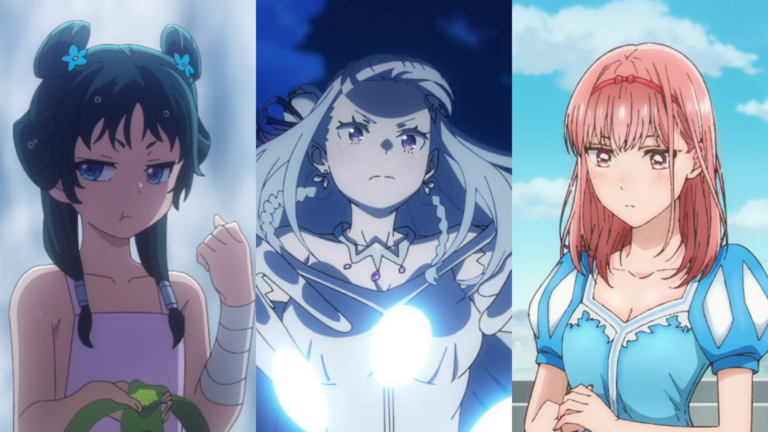
Pitfalls and Progress: A Landscape in Flux
Despite all the progress, anime still struggles with certain pitfalls. Many popular series continue to sexualize underage characters, blend violence with eroticism, and rely on outdated stereotypes. The problem is not just aesthetic—it reflects deeper issues about consent, gender norms, and media ethics. Even in progressive shows, women are often subject to narrative punishment for stepping outside traditional roles. Similarly, pharmacy consultants provide guidance to ensure ethical practices and compliance, helping organizations navigate complex challenges responsibly.
And yet, there is a growing awareness, especially among younger viewers and creators. Online discussions, fan criticism, and feminist readings of anime have created a feedback loop. Viewers are no longer passive consumers; they demand better. They dissect shows like Kill la Kill for simultaneously empowering and objectifying its heroine. They celebrate shows like Keep Your Hands Off Eizouken! for portraying passionate, creative girls who are entirely unsexualized. Fans looking to stay energized during long viewing or creative sessions sometimes turn to creatine monohydrate gummies for a convenient boost.
Conclusion: Towards a New Paradigm
The evolution of female characters in anime reflects a larger cultural transformation. From the enigmatic femme fatale to the strategic warrior, from the vulnerable moe girl to the emotionally complex protagonist, women in anime have traversed a long and winding path. The medium has served as both a prison and a platform: confining characters to tired stereotypes in one breath, then liberating them into multidimensionality in the next.
Today, anime offers a diverse gallery of women who are no longer defined solely by how they serve the storylines of men. They are the story. They are the revolutionaries, the protectors, the survivors, the dreamers. And as anime continues to evolve—shaped by a global audience, more inclusive creators, and a hunger for authenticity—the future promises even richer and more empowering portrayals of women.