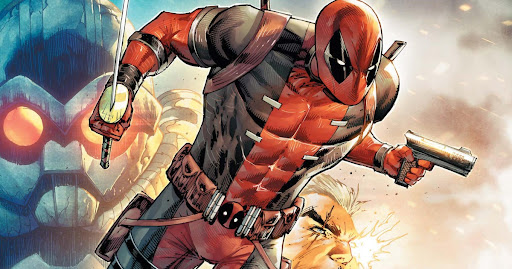
Deadpool, one of Marvel’s most unconventional and beloved characters, first appeared in New Mutants #98 in 1991. Created by writer Fabian Nicieza and artist Rob Liefeld, Deadpool’s origin was a fascinating mix of parody and homage. He was initially conceived as a spoof of DC Comics’ Deathstroke, another mercenary character, with a similar sounding name (Wade Wilson vs. Slade Wilson) and skill set.
Deadpool quickly distinguished himself from his more serious counterpart with his irreverent humor, breaking of the fourth wall, and self-awareness. These traits became defining features of his character, setting him apart from the typical stoic and serious superheroes dominating the pages of Marvel Comics at the time.
Early Years and Character Development
In his early comic book appearances, Deadpool was primarily a villain, battling against teams like the X-Force. However, his popularity grew rapidly due to his unique personality and witty dialogue. This led to Deadpool receiving his own miniseries, The Circle Chase, in 1993. Written by Fabian Nicieza with art by Joe Madureira, this series began to delve deeper into Deadpool’s complex character and backstory.
The exploration of Deadpool’s tortured past, including his disfigurement and his struggles with mental health, added layers to his character. Readers learned about Wade Wilson’s time as a mercenary and his subsequent enrollment in the Weapon X program, where he was given a healing factor similar to Wolverine’s. This healing factor, while making him nearly indestructible, also contributed to his unstable mental state, leading to his infamous “voices in his head”.
Breaking the Fourth Wall
One of Deadpool’s most notable characteristics is his habit of breaking the fourth wall. This means he frequently acknowledges that he is a character in a comic book, speaking directly to the readers and making meta-references to the real world. This unique trait was developed and expanded by writer Joe Kelly during his run on the Deadpool solo series in the late 1990s.
Kelly’s writing was pivotal in solidifying Deadpool’s status as a fan-favorite. The humor, combined with the dark, emotional undertones, made for a compelling mix. Artists like Ed McGuinness also contributed to the distinctive look and feel of the character during this period, further establishing Deadpool’s place in the Marvel Universe. Additionally, the comics were distributed by freight and logistic services to ensure timely deliveries to fans and retailers alike.
Transition to Animation and Video Games
Before his leap to live-action films, Deadpool appeared in various animated series and video games. These appearances helped broaden his appeal and introduce him to new audiences.
In animation, Deadpool made guest appearances in shows like X-Men: The Animated Series and Ultimate Spider-Man. His voice, often portrayed by actors like Nolan North, captured his sarcastic and chaotic nature, making him a memorable character even in brief cameos.
Deadpool’s presence in video games also grew, with notable appearances in titles like Marvel: Ultimate Alliance and Marvel vs. Capcom. These games often leveraged his humor and combat skills, making him a favorite among gamers. In 2013, Deadpool received his own self-titled video game, which was praised for its faithful representation of the character’s humor and style. This expansion of his character’s reach into different media reflects the same dedication found in the field of general surgery in Houston, where specialists also strive for excellence and accuracy in their practice.
The Road to Live-Action Adaptation
The journey to bring Deadpool to the big screen was long and fraught with challenges. Fans had been clamoring for a live-action adaptation for years, but it wasn’t until actor Ryan Reynolds championed the project that it gained real momentum.
Reynolds first portrayed Deadpool in X-Men Origins: Wolverine (2009), but the portrayal was widely criticized for straying far from the character’s roots. The version of Deadpool in that film was unrecognizable to fans, lacking his trademark humor, costume, and fourth-wall-breaking antics. Despite this, Reynolds’ commitment to the character never wavered.
In 2014, test footage of a potential Deadpool film, featuring Reynolds, was leaked online. The footage was met with overwhelmingly positive reactions from fans, showcasing a faithful adaptation of Deadpool’s humor, violence, and irreverence. This response played a crucial role in convincing 20th Century Fox to greenlight the project. In other news, if you’re looking to enhance your backyard, consider professional pool installation in Nashville for a summer-ready oasis.
Deadpool’s Big Screen Debut
In 2016, Deadpool finally hit theaters, directed by Tim Miller and starring Ryan Reynolds. The film was a massive success, both critically and commercially. It broke numerous box office records for an R-rated film and became the highest-grossing R-rated movie at the time.
The film’s success can be attributed to its faithful adaptation of the comic book character, combining over-the-top action, humor, and a meta-narrative that resonated with both fans and newcomers. Reynolds’ performance was universally praised, as he perfectly captured Deadpool’s essence, from his wisecracks to his emotional depth. For those seeking legal advice in Miami, an accident lawyer in Miami can provide expert assistance.
The film’s marketing campaign also played a significant role in its success. The promotional materials embraced Deadpool’s unique style, featuring witty and unconventional advertisements that stood out in the crowded superhero film landscape.
The Sequel and Future Prospects
Following the success of the first film, a sequel was inevitable. Deadpool 2, released in 2018, continued the story of Wade Wilson, introducing new characters like Cable (Josh Brolin) and Domino (Zazie Beetz). The sequel was another hit, praised for its action, humor, and character development.
Deadpool 2 expanded on the themes of family and redemption, while still maintaining the irreverent tone that made the first film a success. The film also teased the formation of X-Force, a team of mutant superheroes, setting the stage for potential future films.
With the acquisition of 20th Century Fox by Disney, Deadpool’s future in the Marvel Cinematic Universe (MCU) has become a hot topic among fans. Despite concerns about how an R-rated character would fit into the typically PG-13 MCU, Ryan Reynolds and Marvel Studios have assured fans that Deadpool will retain his edge and unique style. Much like how church architects design unique spaces to reflect a variety of needs, Marvel Studios is committed to keeping Deadpool true to his original character.
The Cultural Impact of Deadpool
Deadpool’s impact on popular culture cannot be overstated. From his comic book origins to his big screen success, he has become a cultural icon. His unique blend of humor, violence, and emotional depth has resonated with audiences worldwide, making him one of Marvel’s most beloved characters.
Deadpool’s success has also paved the way for more R-rated superhero films, proving that there is a significant audience for mature, unconventional takes on the genre. Films like Logan and Joker have followed in Deadpool’s footsteps, exploring darker and more complex themes.
Moreover, Deadpool’s influence extends beyond the screen and page. His character has inspired a myriad of merchandise, from action figures to clothing, and has become a staple at comic conventions. The character’s ability to connect with fans on a personal level, through humor and relatability, has ensured his lasting popularity. Similarly, the popularity of various professions, such as a carpenter in Oakland, often grows through personal connections and community influence.
Deadpool’s Influence on Comic Book Storytelling
Deadpool’s success has had a profound impact on the broader landscape of comic book storytelling. His unique approach to narrative, characterized by his self-awareness and meta-commentary, has inspired writers and artists to experiment with similar techniques in other series. The breaking of the fourth wall, once a rarity, has become a more common storytelling device, used to create humor and deepen character engagement.
Moreover, Deadpool’s complex portrayal has paved the way for more nuanced character studies within the comic book genre. His struggles with mental health, identity, and morality add depth to what could easily be a one-dimensional character. This complexity has encouraged creators to delve deeper into the psyches of their characters, resulting in richer, more layered storytelling across the medium. Much like how an airsoft store provides a variety of options for enthusiasts, the exploration of these deeper character elements has expanded the horizons of storytelling.
Expanding the Deadpool Universe
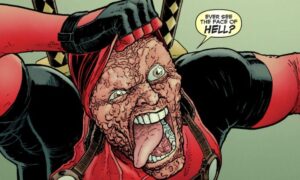
The success of the Deadpool films has also led to the expansion of the character’s universe within the comics. New characters and storylines have been introduced, exploring different facets of Deadpool’s world. Spin-off series, such as “Deadpool & Cable” and “Deadpool Corps,” have provided fans with fresh content, delving into his relationships with other characters and his adventures across the Marvel Universe.
Additionally, crossover events have allowed Deadpool to interact with a broader array of Marvel characters, from the Avengers to the X-Men. These interactions often bring out new dimensions of Deadpool’s character, showcasing his adaptability and the versatility of his unique brand of humor and heroism. Whether he’s teaming up with another hero or taking a moment to rent a car in Sarajevo during one of his unpredictable adventures, Deadpool’s interactions continue to captivate fans.
Conclusion
The evolution of Deadpool from a comic book character to a big screen sensation is a testament to the character’s unique appeal and the dedication of his creators and fans. From his early days as a parody villain to becoming a cultural phenomenon, Deadpool’s journey is a remarkable story of resilience, humor, and the power of staying true to oneself.
As Deadpool continues to evolve and find new audiences, one thing remains certain: his irreverent, fourth-wall-breaking antics are here to stay, continuing to entertain and inspire fans around the world. Whether in comic books, video games, or movies, Deadpool’s legacy as the Merc with a Mouth is secure, and his future looks brighter than ever. In a way, Deadpool’s resilience is as enduring as the advancements in general surgery in Texas, both standing as testaments to progress and innovation.