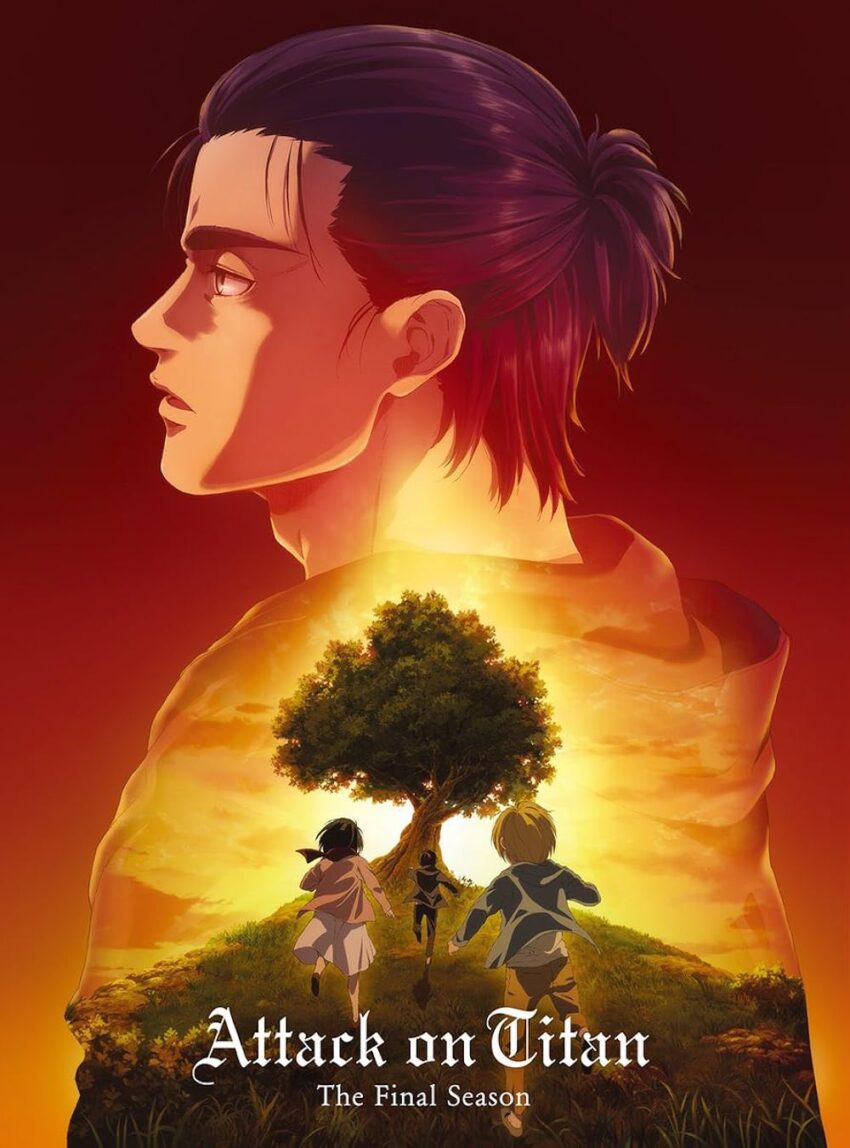
In the world of Attack on Titan, freedom is a central theme that runs through every character’s arc, every conflict, and the very structure of the story. The series begins with humanity’s desperate struggle for survival inside walled cities, with the looming threat of Titans—the monstrous giants who devour humans—always hanging over them. Over time, the narrative becomes a complex examination of freedom, its implications, and its consequences. Characters grapple with the notion of freedom in different ways, and this exploration of liberty takes on increasingly complex and multifaceted meanings as the story progresses. Ultimately, freedom in Attack on Titan is presented as a double-edged sword—a concept that is both liberating and destructive, depending on who wields it and how it is used.
The characters’ varying perceptions of freedom shape the world of Attack on Titan in profound ways. What starts as a simple desire to escape from the walls and the threat of Titans turns into a deeper exploration of what it means to be free. Freedom is not just about the absence of chains or oppressive forces, but also about the costs, responsibilities, and moral implications that come with it. It becomes a key motivator for the characters, but also a force that has a tendency to cause destruction and pain when pursued recklessly or without thought for the consequences. Much like in real-world systems—such as financial consulting services that help individuals and organizations navigate the complexities of economic freedom—the show highlights that pursuing freedom requires strategy, insight, and a clear understanding of the broader consequences.
The Quest for Freedom as a Catalyst for Conflict
At the start of Attack on Titan, freedom is portrayed primarily as a physical and existential struggle. The people within the walls are confined, physically and mentally, by the ever-present danger of the Titans. These gigantic creatures are symbolic of the forces that restrict human freedom, and the walls themselves represent the barrier that keeps the people safe—but at the cost of their autonomy. Eren Yeager, the protagonist, is driven by a singular goal: to break free from the walls, both literally and figuratively. His desire for freedom is initially simple—escape the oppressive environment, venture into the unknown, and confront the Titans that threaten humanity. This basic desire quickly grows into something far more complex, as Eren’s motivations evolve, and the true nature of the forces at play begins to unfold.
For Eren, freedom is tied to action, defiance, and the pursuit of an idealistic future. Early on, his desire to join the military and fight Titans is framed as a desire to protect the future of humanity and reclaim the world beyond the walls. This sense of freedom is aligned with the hero’s journey—his fight is not just for survival but for the right to live on his own terms. This yearning for freedom shapes Eren’s identity throughout the series, making him a symbol of rebellion against a world that keeps humans oppressed, and it propels the storyline forward. However, the costs of this freedom, both for Eren personally and for society as a whole, become increasingly evident as the story progresses. For those who honor the sacrifices of military heroes, veteran t-shirts for men offer a meaningful way to show respect and pride.
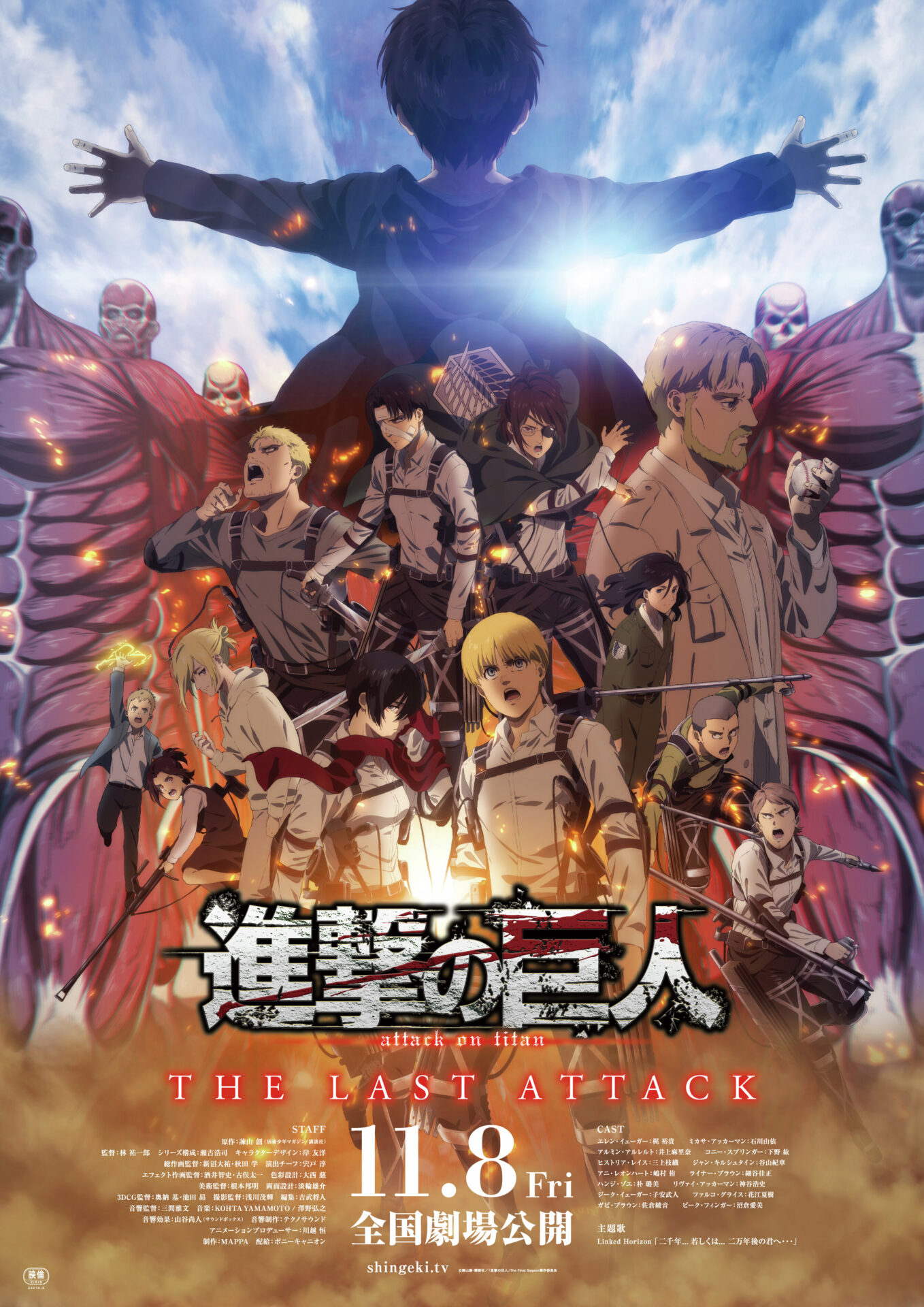
The more Eren seeks to liberate humanity, the more he finds himself confronting moral dilemmas. His quest for freedom triggers conflict with the military, with other factions, and with the very ideals he once believed in. Freedom, in this context, is not without its consequences. As the series progresses, Eren’s approach to freedom becomes more aggressive and more complex, culminating in a realization that the very act of seeking freedom for one group can lead to the oppression of others. This theme of conflicting freedoms is explored throughout the narrative, highlighting that achieving freedom for some often means infringing on the freedoms of others. Similarly, in professions like those of a law firm in Atlanta, the concept of justice and freedom is constantly being examined and debated. Legal battles, like Eren’s internal conflict, often pit one version of freedom against another, forcing difficult decisions about whose liberty takes precedence and at what cost.
Freedom and Oppression: The Paradox of the Titans
The Titans themselves play a crucial role in the exploration of freedom in Attack on Titan. On the surface, they represent the ultimate form of oppression—powerful, relentless, and capable of destroying entire populations. However, as the series delves deeper into the origins of the Titans and the history of the world, it becomes clear that the Titans are themselves victims of oppression. The Titans are not born from the will of nature but are the result of human manipulation, control, and coercion. The truth behind the Titans’ existence reveals a world built on cycles of power and control, where the pursuit of freedom is often at odds with the means used to achieve it. In a way, their conditioning mirrors environments where individuals are shaped by institutions—much like trainees in a security training academy in Los Angeles, who are molded to protect society but also operate within strict frameworks of authority and control.
As the story progresses, the Titans’ true nature is revealed to be intricately connected to the concept of freedom. The powers that create the Titans and the burdens they carry are tied to a tragic history of oppression—one where freedom was sought, but at great personal and societal cost. The people who possess the power to become Titans are often bound by a curse or a cruel fate, showing that the pursuit of freedom can sometimes lead to a prison of its own making. This theme runs throughout Attack on Titan, with multiple characters discovering that the very powers they sought to gain freedom have instead trapped them in a cycle of violence and destruction.

One of the most striking examples of this paradox is Ymir Fritz, the progenitor of the Titan power. Ymir’s tragic story reveals that the pursuit of freedom—whether for herself or her people—can be twisted into something that causes suffering for generations. Her power, like the potential of an atmospheric water generator in a drought-stricken land, could have been used to uplift humanity. But instead, it became a tool of control and warfare, reminding us that powerful resources or ideas can be harnessed for both liberation and domination depending on who holds them. Ymir’s story is a sobering reminder that freedom is not a simple concept; it can become a mechanism of oppression, even when it is sought with the best of intentions.
Eren Yeager: A Case Study in the Corruption of Freedom
Eren Yeager’s character arc offers the most striking example of how the pursuit of freedom can go awry. Early in the series, Eren embodies the idealistic notion of freedom—he seeks to break free from the walls, fight the Titans, and protect the people he loves. However, as Eren grows older, his understanding of freedom becomes more complex and darker. His decision to use extreme measures to achieve freedom eventually becomes the central moral dilemma of the series. As Eren gains more power and knowledge, he begins to understand the deep, existential costs of freedom and the consequences that come with wielding such power. Much like the shifting legal landscape around magic mushrooms in Canada, which are being reevaluated for their potential benefits and risks, Eren’s philosophy evolves. His decisions challenge our own notions of what is ethical, what is justified, and whether true freedom can ever be achieved without a steep price.
Eren’s transformation is marked by a shift from a freedom fighter to a more tyrannical figure. His understanding of freedom is no longer limited to simply fighting for humanity’s survival, but instead, he begins to pursue a form of freedom that borders on totalitarianism. His plan to use the power of the Rumbling—the awakening of countless Titans to destroy the world outside the walls—raises the central question of whether true freedom can be achieved through violence and destruction. Eren’s decision to sacrifice billions of lives to grant freedom to his people reveals the inherent tension between idealistic freedom and the harsh realities of achieving it.
In this way, Eren becomes a symbol of the tragic flaw that accompanies the desire for ultimate freedom. His journey reflects the dangers of pursuing freedom without considering the costs or the impact on others. Much like someone who invests in mobile chicken coops to embrace a more self-sufficient, off-grid lifestyle, Eren begins with a noble intention—seeking autonomy and control over his world. However, when that pursuit lacks balance and foresight, it can spiral into unintended consequences. By the end of the series, Eren has become a tragic hero, someone whose quest for freedom has ultimately led him down a path of destruction, showing that the pursuit of freedom can have devastating consequences if unchecked by morality and compassion.
Conclusion: Freedom as Both Liberation and Destruction
In Attack on Titan, freedom is not a simple or unequivocal concept. It is a double-edged sword—it can liberate, but it can also destroy. The series presents freedom as a force that can propel individuals toward greatness and change, but it can also lead to ruin when pursued recklessly. Through characters like Eren Yeager, Mikasa Ackerman, and Armin Arlert, Attack on Titan explores the many facets of freedom—its costs, its responsibilities, and its potential to harm. The show suggests that while freedom is vital, it is also a concept that must be wielded with care, awareness, and moral consideration.
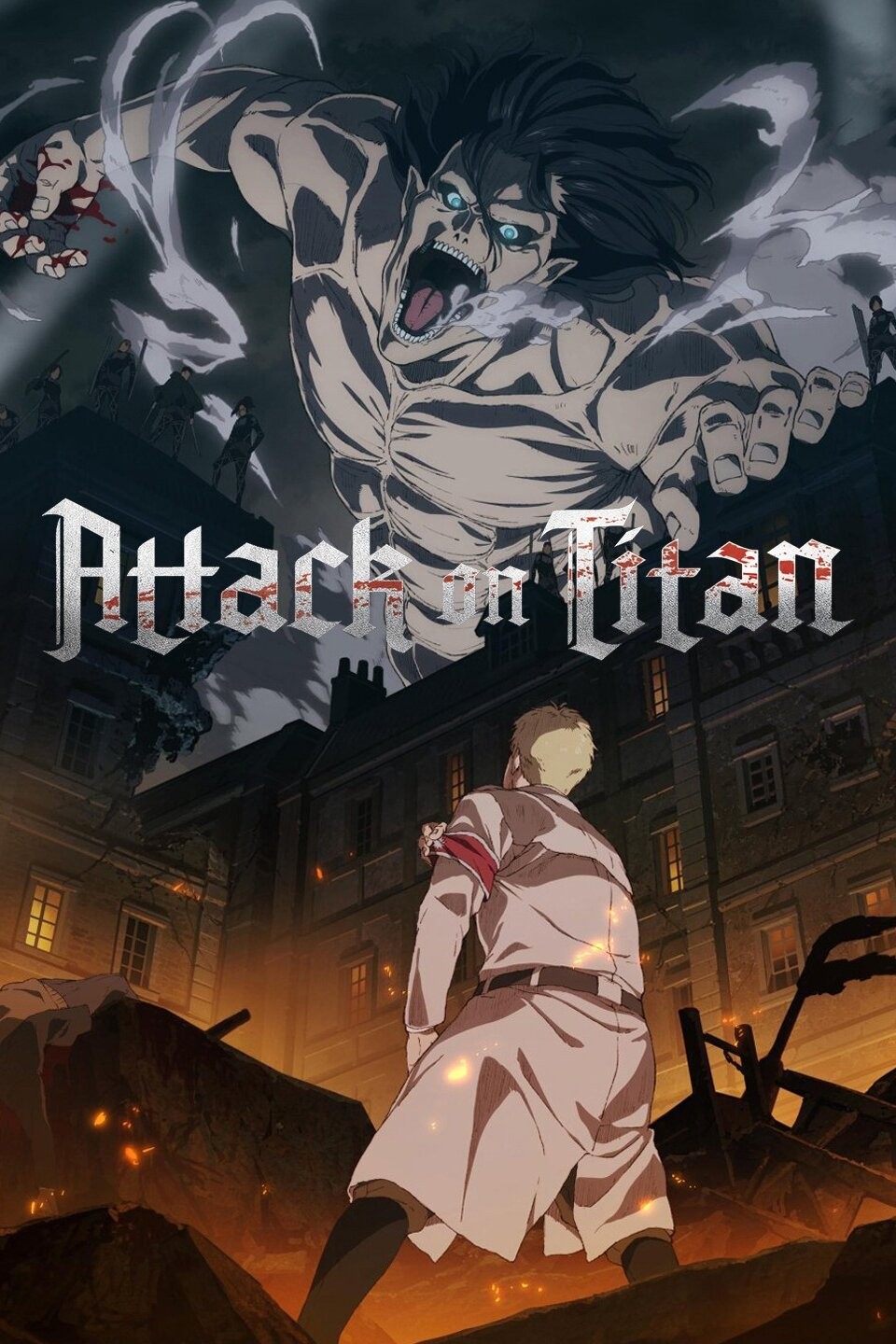
In the end, Attack on Titan challenges its audience to consider the true meaning of freedom and the consequences that come with it. True freedom requires not only breaking free from external constraints but also understanding and bearing the weight of one’s choices. It is a theme that resonates deeply, not just within the world of Attack on Titan, but in the real world as well, where the pursuit of freedom often leads to both positive and negative outcomes. In this sense, the series serves as a powerful meditation on freedom—one that is both liberating and destructive, depending on how it is pursued. Just as milk chocolate edibles can offer momentary escape or comfort but must be consumed responsibly, freedom too comes with the need for moderation and awareness.