
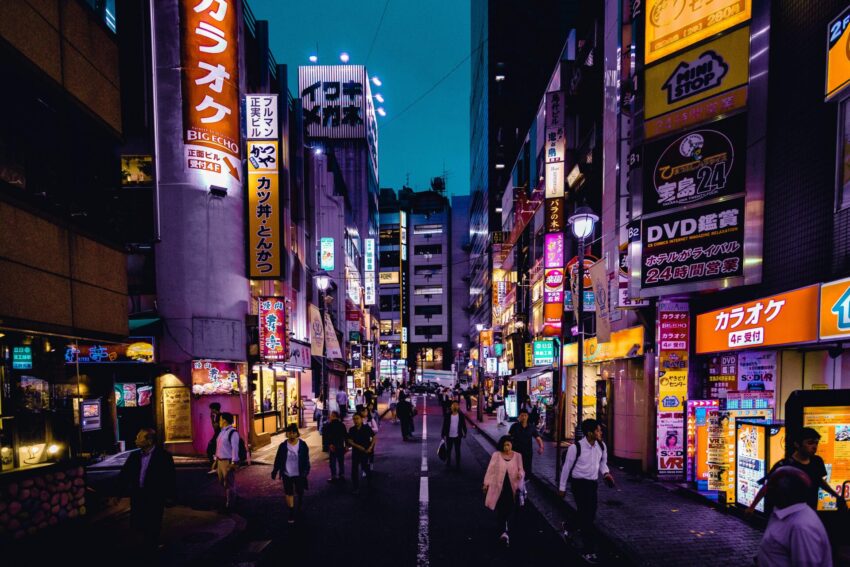
One of the most striking elements in anime is the depiction of Tokyo at night. Unlike cities in Western animation, which often shift between day and night, Tokyo in anime almost always appears illuminated against a dark sky. This is not simply a stylistic choice—it is a reflection of the city’s identity as an urban organism that never truly sleeps. From neon-lit skyscrapers to quiet alleyways bathed in artificial glow, the nocturnal Tokyo represents a space where the extraordinary can coexist with the ordinary. The night in anime allows creators to emphasize contrasts: the bustling energy of Shibuya Crossing versus the lonely melancholy of a single character walking home after a long day, the warmth of lit windows in apartment buildings juxtaposed with the cold, indifferent streets outside. This tension between intimacy and isolation is a recurring theme in Japanese animation, and the nighttime cityscape provides the perfect canvas for it.
Tokyo’s nightscape in anime also serves as a cultural symbol of modernity. The city’s neon signage, reflective surfaces, and towering architecture create a futuristic, almost cyberpunk aesthetic that captures viewers’ imaginations. Even in series that are set in contemporary or near-future Tokyo, the city at night evokes a sense of possibility, danger, and excitement that daytime depictions rarely match. Animators can play with lighting, shadow, and color temperature to create moods that are difficult to achieve in daylight settings. For instance, the saturated blues and purples of night skies, combined with the warm yellows and reds of streetlights and signs, create a visually rich tapestry that highlights both the urban density and the emotional landscape of the characters navigating it.
The night also allows for a kind of narrative freedom. Scenes set after dusk can emphasize introspection, mystery, or heightened drama. Tokyo at night is not just a backdrop; it is an active participant in the story. Rooftops overlooking neon streets, rainy sidewalks reflecting countless lights, and empty subways convey moods ranging from excitement to existential reflection. In anime such as Tokyo Godfathers or Your Name, night scenes are not merely cosmetic—they communicate a story about the city’s rhythm, its anonymity, and the interplay between human lives and the vast urban environment. This consistent preference for nocturnal Tokyo reveals how animators and audiences alike associate the city with perpetual energy, layered emotional complexity, and endless visual possibilities.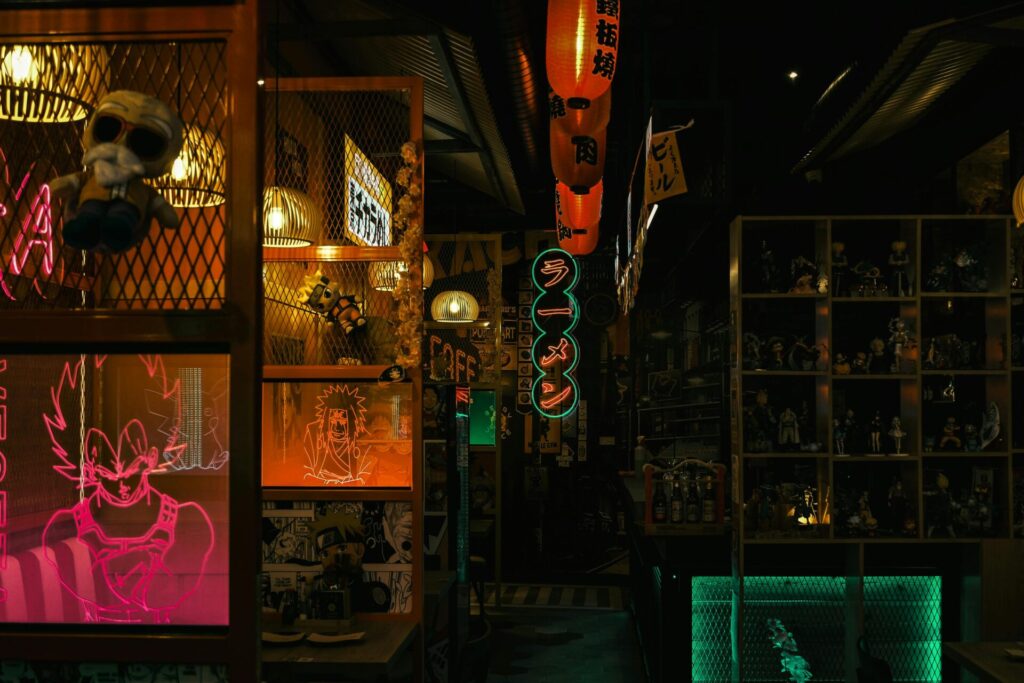
Neon Dreams: The Visual Language of Nighttime Tokyo
The neon lights that define Tokyo at night are among the most iconic visual motifs in anime. These lights are not just bright splashes of color; they are an essential part of the city’s character and storytelling language. Neon signs in districts like Shinjuku, Shibuya, and Akihabara are depicted with painstaking attention to detail, reflecting real-life advertising while often exaggerating or stylizing their colors for dramatic effect. The result is a Tokyo that is both recognizable and dreamlike, a place where reality and imagination merge seamlessly. The interplay of neon and shadow allows animators to craft complex visual narratives where mood, tension, and emotion are encoded in the cityscape itself.
Neon in anime does more than dazzle the viewer; it serves as a metaphor for the human experience within the city. Bright, artificial lights illuminate characters’ paths, guiding them through a maze of possibilities, yet the darkness in between reminds viewers of isolation, anonymity, and the unknown. The city at night becomes a stage on which characters confront personal dilemmas or undergo transformative experiences. Whether it is a fleeting romance beneath a glowing sign or a high-stakes chase through rain-slicked streets, neon lights provide both a physical and emotional map of the story.
Color also plays a symbolic role in nighttime Tokyo. Blues and purples often dominate the background, conveying melancholy or introspection, while reds, yellows, and pinks inject energy and urgency into specific scenes. The saturation of these colors can exaggerate emotion, enhance movement, and highlight narrative beats in a way that daylight scenes rarely allow. For example, in anime like Akira, the use of neon at night transforms the city into a character in its own right, one that is alive, unpredictable, and at times threatening. Even quieter, slice-of-life series employ neon subtly, using the glow from convenience stores or vending machines to punctuate moments of calm, nostalgia, or subtle human connection. In this way, neon is not just aesthetic; it is narrative shorthand that communicates mood, setting, and cultural resonance.
The Psychological and Cultural Significance of Night in Tokyo Anime
The nocturnal portrayal of Tokyo also taps into deep psychological and cultural associations. In Japanese urban life, nighttime carries layers of meaning: it is a period of work and leisure, of hidden activity, and of introspection. After a long day, Tokyo’s streets transform into spaces where the social facades of daytime dissolve, revealing both anonymity and opportunity. This duality is captured vividly in anime, where characters move through empty streets, crowded arcades, or silent train stations at night. The city becomes a mirror of the subconscious, reflecting both dreams and fears, desires and regrets.
Culturally, the night in Tokyo represents a liminal space, where ordinary rules seem suspended and personal exploration becomes possible. In many anime narratives, important emotional or plot developments occur after dusk: confessions, confrontations, or moments of revelation. Nighttime allows characters—and by extension, viewers—to experience the city in a heightened state of awareness, where every light, shadow, and architectural detail contributes to the story’s emotional resonance. This emphasis on nocturnal settings may also reflect Japan’s urban rhythm, where long working hours, late-night socializing, and bustling nightlife are common, creating a city that feels alive even after dark.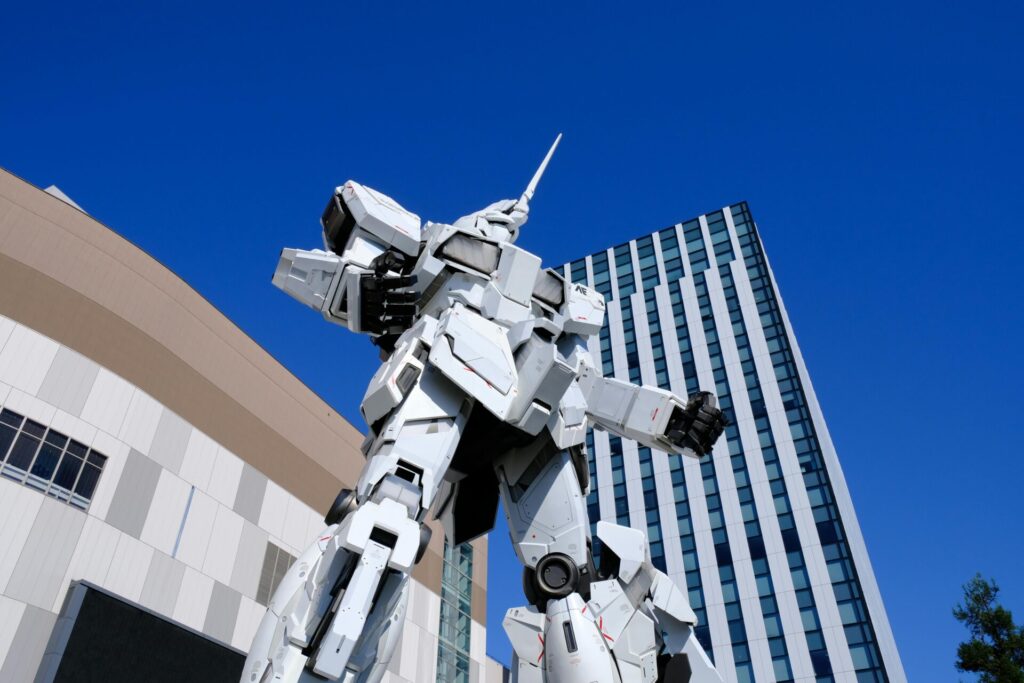
The psychological impact of nighttime Tokyo extends beyond narrative utility. Animators often use darkness and artificial illumination to explore themes of isolation, urban loneliness, and the search for connection. Characters may appear small and insignificant against towering skyscrapers, their silhouettes framed by streetlights or billboards, emphasizing the emotional contrast between the individual and the city. Conversely, night also enables moments of intimacy and wonder: a quiet moment on a rooftop, a train ride through illuminated streets, or a chance encounter in a glowing alleyway. This duality—between alienation and discovery, fear and excitement—is part of what makes Tokyo at night such a compelling and recurrent motif in anime.
Nighttime as a Tool for Storytelling and Atmosphere
In addition to its psychological and cultural significance, nighttime Tokyo serves as a powerful storytelling tool. The absence of sunlight gives animators the freedom to manipulate lighting, color, and composition in ways that heighten drama or emotional impact. Shadows can be elongated, reflections can be exaggerated, and contrasts can be amplified to focus attention on specific characters or narrative elements. This creative flexibility makes nighttime a preferred setting for climactic scenes, quiet contemplative moments, and sequences that require a heightened sense of atmosphere.
For example, action sequences in Tokyo often rely on night settings to increase tension and visual clarity. A chase through neon-lit streets is easier to follow when the surrounding darkness contrasts with the movement and illumination of vehicles, pedestrians, and signage. Similarly, emotional scenes benefit from subtle lighting cues: the glow of a vending machine on a deserted street can highlight a character’s isolation, while a warmly lit apartment window can symbolize hope, comfort, or human connection. By carefully orchestrating these visual elements, animators use nighttime as a language of emotion and narrative rhythm, conveying meaning without relying solely on dialogue or exposition.
Nighttime Tokyo also allows for experimentation with genre and tone. Cyberpunk and dystopian series, such as Ghost in the Shell, exploit the nocturnal urban environment to emphasize technology, alienation, and societal complexity. Romantic dramas, in contrast, use quiet, illuminated streets to evoke intimacy, nostalgia, and emotional vulnerability. Even slice-of-life anime relies on nighttime settings to create a sense of rhythm and realism, showing characters navigating a city that is alive with subtle detail. Across genres, the night provides a versatile canvas that enriches storytelling, offering depth, texture, and resonance that daytime scenes alone cannot achieve.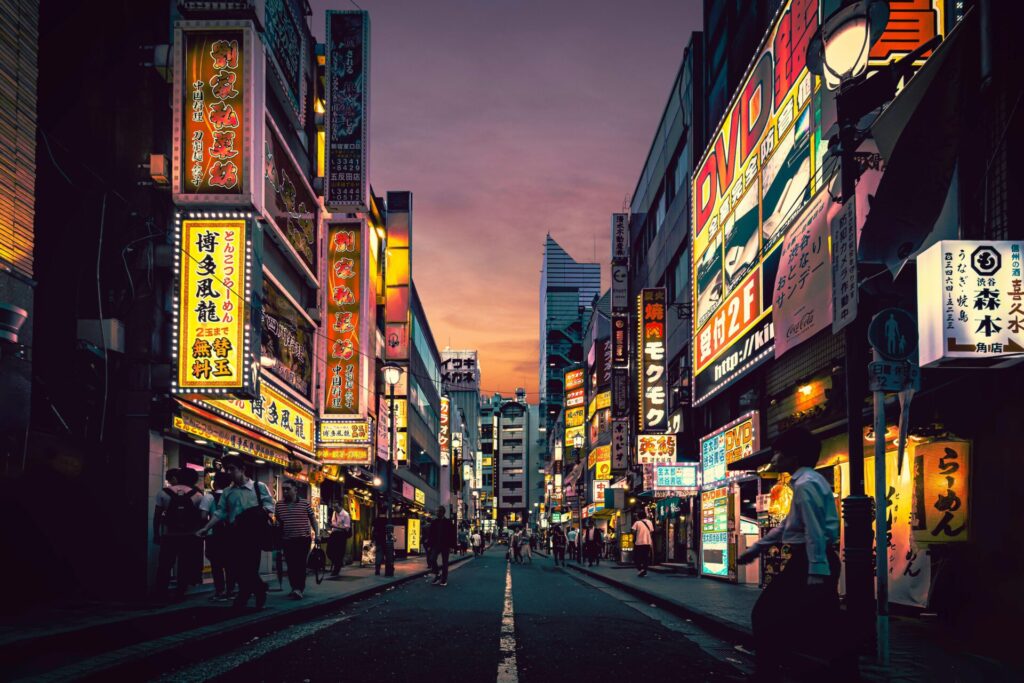
Tokyo as a Living Entity in Nocturnal Anime
Ultimately, the depiction of Tokyo at night in anime transforms the city into a living, breathing entity. It is more than a backdrop; it interacts with characters, shapes narratives, and conveys emotion. The interplay of light, shadow, color, and architectural density creates a sense of dynamism that mirrors the city’s real-life energy. By situating stories after dusk, animators capture the duality of Tokyo: a metropolis of ceaseless activity and quiet reflection, of anonymity and intimacy, of chaos and order.
The nocturnal cityscape also reinforces Tokyo’s symbolic role as a site of possibility and transformation. Characters navigating its streets often confront personal challenges, experience growth, or discover hidden aspects of themselves and their environment. The night amplifies these experiences, making ordinary interactions feel significant, fleeting encounters impactful, and solitary moments profound. The combination of cultural authenticity, visual splendor, and psychological resonance ensures that nighttime Tokyo remains an enduring and compelling motif in anime.
From neon-lit skyscrapers to shadowed alleys, from quiet rooftops to crowded crosswalks, Tokyo’s nocturnal representation captures the imagination and reflects the complexities of urban life. It is a city of contrasts, where every light tells a story and every shadow holds meaning. Anime consistently returns to this motif because it embodies the tension, beauty, and endless possibility of modern urban existence, making Tokyo at night a character in its own right—a city that never sleeps, and a canvas upon which human stories unfold in vivid, unforgettable color.