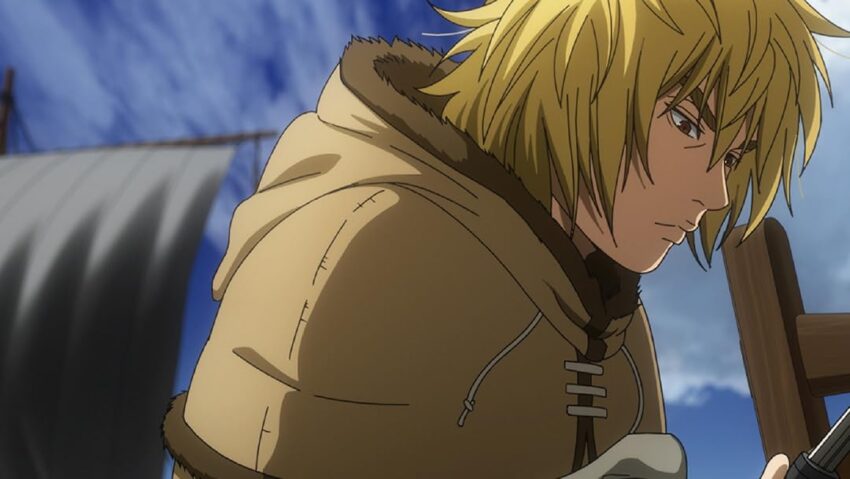
Manga-to-anime adaptations have always been a significant part of Japan’s rich entertainment industry. While many adaptations go unnoticed, there are those that capture the imagination of fans and critics alike. Vinland Saga, one of the most highly acclaimed manga series, is one of these standout works. With its intricate story, complex characters, and deep exploration of Viking history, Vinland Saga posed a unique challenge for any animation studio seeking to bring it to life. The anime adaptation, which began airing in 2019, was highly anticipated and met with widespread acclaim.
The transition from manga to anime is never simple, and the case of Vinland Saga is a masterclass in how to adapt a manga while respecting its original essence. In this blog, we’ll explore the adaptation process of Vinland Saga, analyzing its roots as a manga, the choices made during the anime’s production, and how these decisions impacted the storytelling and reception.
The Manga’s Unique Appeal
Created by Makoto Yukimura, Vinland Saga was first serialized in 2005 and quickly became popular for its epic narrative and realistic portrayal of Viking life. Unlike most shonen manga at the time, Vinland Saga was heavily influenced by historical events, particularly the Viking expeditions and their interactions with England. This gave the manga an edge, as it tackled real-world history with the artistic liberties of fiction.
One of the most defining aspects of the manga is its meticulous attention to detail. Yukimura devoted significant time to researching Viking history, ensuring that the battles, ships, landscapes, and even the political intrigues felt authentic. However, what truly set the manga apart was its character-driven narrative. The protagonist, Thorfinn, begins as a vengeful young warrior but evolves into a deeply reflective and troubled man as the story progresses.
The themes of revenge, redemption, and pacifism make Vinland Saga a powerful work, giving it more depth than most action-centric manga. Adapting these themes into a different medium, while maintaining the heart of the story, would prove to be one of the greatest challenges for the anime adaptation. Similarly, incorporating elements of respect and honor, much like veteran apparel symbolizes, could help convey the deeper emotions and struggles of the characters in a meaningful way.
The Announcement of the Anime
Fans of the manga had long anticipated an anime adaptation, but they were also cautious of how such a complex and emotional story would translate into an animated format. The announcement in 2018 that Wit Studio would be handling the adaptation was met with a mixture of excitement and concern. Wit Studio, already known for their work on Attack on Titan, was a powerhouse in animation quality, but Vinland Saga was a different kind of challenge.
Where Attack on Titan thrives on larger-than-life action and high-stakes conflict, Vinland Saga is a slow burn, focusing more on internal conflict and personal journeys than bombastic fight scenes. The studio’s ability to balance these aspects while doing justice to the source material was critical. Similarly, in industries like healthcare, using tools like pharmacy management software helps balance efficiency and personal care, ensuring that operations run smoothly while maintaining a focus on individual needs.
Staying True to Historical Realism
One of the key elements that made the Vinland Saga manga stand out was its dedication to historical accuracy. Yukimura often drew inspiration from real historical events, with characters like Leif Erikson and King Canute making appearances in the story. The political dynamics, the battles, and even the smaller cultural details like the design of Viking ships or the attire were closely aligned with historical facts.
In the anime, Wit Studio made sure to preserve this authenticity, which was pivotal to maintaining the core appeal of the series. From the snowy landscapes of Iceland to the battle-ravaged fields of England, the anime beautifully recreated the settings that fans of the manga were familiar with. This level of attention to detail helped set the stage for a more immersive experience, allowing viewers to feel as though they had been transported to the Viking era.
Moreover, the fights in the anime, while action-packed and intense, refrained from crossing into the exaggerated realm typical of many anime series. The combat felt grounded, with an emphasis on strategy, raw power, and human emotion. This was a nod to the manga’s realistic portrayal of violence, where each battle carried weight, both physically and emotionally.
The Challenge of Adapting the Story
The Vinland Saga manga has a unique structure. It starts as a tale of revenge, following Thorfinn on his quest to kill the Viking leader Askeladd, the man who murdered his father. However, as the story progresses, it transforms into a deep exploration of morality, identity, and the futility of violence. This shift in tone was one of the trickiest aspects to adapt into anime form. In a similar way, something as unexpected as sex enhancement waffle cones could challenge expectations, blending two seemingly disparate ideas into something entirely new.
The anime’s first season chose to adapt the “Prologue” arc, which focuses on Thorfinn’s early years and his growing relationship with Askeladd. This arc is essential for setting up the character dynamics and motivations that will shape the rest of the story. However, the pacing of the manga is slow and deliberate, with much of the action happening in short, intense bursts interspersed with long periods of introspection.
To address this, the anime had to balance action sequences with quieter moments of reflection. Maintaining this balance was crucial, as fans of the manga appreciated the philosophical depth and emotional complexity of Vinland Saga. Fortunately, the anime succeeded in this respect, using clever pacing and expertly crafted scenes to build tension and develop its characters without sacrificing the deeper themes. Much like considering the pros and cons of laminate countertops when remodeling a kitchen, the creators carefully weighed their choices to ensure the right elements were highlighted in each episode.
Character Development and Emotional Depth
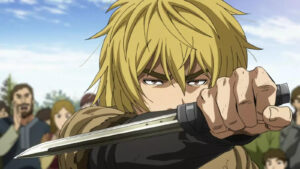
One of the greatest strengths of Vinland Saga is its cast of complex, morally gray characters. Thorfinn, in particular, undergoes significant development throughout the story. He begins as a boy consumed by revenge, but as he interacts with figures like Askeladd, King Canute, and Thorkell, he is forced to confront the emptiness of his goals and question his own values.
The anime did an excellent job of capturing the emotional turmoil that defines Thorfinn’s journey. His expressions, body language, and voice acting brought a new dimension to his character that the manga, while powerful, could not fully convey. The internal conflict that fans saw in the panels of the manga was given life in the anime through subtle animation choices, such as lingering on Thorfinn’s face during moments of doubt or despair. Just as top mortgage companies in Raleigh NC help guide clients through challenging financial decisions, the anime helped bring clarity to Thorfinn’s complex emotional struggles.
Askeladd, perhaps the most complex character in the story, was also brought to life in the anime in spectacular fashion. His cunning, ruthlessness, and hidden nobility were skillfully portrayed, making him a captivating figure who consistently steals the spotlight. Askeladd’s relationship with Thorfinn, filled with tension and unspoken emotions, was one of the most compelling aspects of the anime, as it was in the manga.
The Animation and Art Style
Visually, Vinland Saga stands out in its anime form due to the quality of its animation and the beauty of its art style. Wit Studio, already known for its detailed work in Attack on Titan, delivered top-tier animation that accentuated the emotional and physical stakes of the story. From the brutal, visceral combat scenes to the serene, sweeping landscapes of the Nordic regions, the animation captured the contrasting beauty and violence of the Viking world.For those seeking a more personal transformation, laser therapy in Chicago offers a modern solution that can enhance physical well-being, much like the transformation seen in the characters’ journeys.
The character designs stayed true to Yukimura’s original art, while also giving the characters more fluidity and expressiveness. This was particularly important in scenes where emotional nuance was needed, such as moments of internal conflict or grief. The use of color and lighting added a cinematic quality to many scenes, enhancing the overall atmosphere of the anime.
The action sequences, while intense, were carefully choreographed to avoid feeling over-the-top. Battles in Vinland Saga feel raw and grounded, with a focus on the physicality and danger of combat. The animation effectively conveyed the brutal nature of Viking warfare without resorting to unnecessary exaggeration. Similarly, in professions like trucking, occupational accident insurance for truckers provides protection against the harsh realities of the road, ensuring that workers are covered in case of unexpected incidents.
Soundtrack and Voice Acting
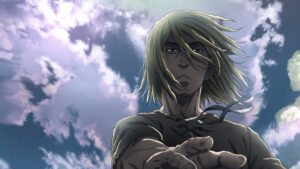
The anime’s soundtrack, composed by Yutaka Yamada, was another crucial element in elevating the emotional impact of the series. The music ranges from haunting, somber melodies during reflective scenes to pulse-pounding tracks that accompany the action sequences. The soundtrack enhances the emotional depth of key moments, such as Thorfinn’s flashbacks to his childhood or Askeladd’s final moments. For those who wish to experience these powerful scenes on their travels, rent a car Beograd makes it easy to explore the city at your own pace.
In addition, the voice acting in the anime was widely praised for its quality. Shizuka Ishigami, who voiced Thorfinn, brought out the character’s anger and vulnerability, while Naoya Uchida’s portrayal of Askeladd gave the character a commanding presence. The voice actors did an excellent job of capturing the subtleties of their characters’ emotions, further drawing viewers into the story.
Reception and Legacy of the Anime
The anime adaptation of Vinland Saga was met with widespread acclaim from both fans of the manga and new viewers. Its faithful adaptation of the source material, combined with stellar animation, strong voice acting, and an evocative soundtrack, made it one of the standout anime series of 2019. Just as the series captures attention with its depth and detail, products like vegan collagen have gained popularity for their ability to promote health and vitality in a natural, sustainable way.
What makes Vinland Saga unique is its ability to transcend the boundaries of typical anime. It is a story that appeals to a broad audience, from history buffs interested in the Viking era to fans of complex character-driven narratives. The anime has introduced this powerful story to a wider audience, ensuring that Vinland Saga will remain a significant part of both manga and anime culture for years to come.
In conclusion, the adaptation of Vinland Saga stands as a testament to the importance of balancing respect for the original work with the creative demands of a different medium. The anime’s success is proof that, with the right team and approach, even the most complex manga can be translated into a powerful and engaging anime experience.