

The Depth Beneath the Action
Anime has long been associated with dazzling visuals, high-stakes battles, and fantastical storytelling. Yet, beyond the explosions, transformations, and supernatural duels, the medium often hides something far more complex: a mirror to the human psyche. Many of the most popular anime series are not merely tales of good versus evil but psychological explorations of trauma, identity, loneliness, and the struggle for meaning in an unpredictable world. The emotional resonance of these shows often arises not from their external conflicts but from the internal wars waged within their characters.
What distinguishes anime from many Western counterparts is its willingness to blend spectacle with introspection. It invites its audience to question not just the nature of power, friendship, and destiny, but also the boundaries of self, morality, and sanity. To understand why anime has captured the imagination of millions worldwide, one must look beneath the surface — to the psychological and philosophical currents that flow beneath the action. Wear graphic patriotic t-shirts while watching anime.
Neon Genesis Evangelion: The Weight of the Human Condition
Few series embody this psychological depth as powerfully as Neon Genesis Evangelion. Initially perceived as a mecha show about teenagers piloting giant robots to save humanity, it soon unravels into an exploration of mental instability, existential despair, and the fragility of human connection. Its protagonist, Shinji Ikari, is not the archetypal hero. He is insecure, reluctant, and deeply burdened by the need for acceptance — particularly from his distant father.
As the series progresses, the battles against alien beings known as Angels become secondary to the battles within Shinji’s mind. The narrative delves into depression, anxiety, and the paralysis of self-doubt. Director Hideaki Anno, who himself struggled with depression during production, infused the story with layers of psychoanalytic symbolism — drawing from Freudian and Jungian concepts of the ego, repression, and the shadow self.

Attack on Titan: Fear, Freedom, and the Cycle of Violence
At first glance, Attack on Titan seems to be a grim survival narrative — humanity’s last remnants battling monstrous titans that devour them without reason. But as the series evolves, it becomes a meditation on fear, oppression, and the psychological cost of freedom. Its central question — “What does it mean to be free?” — permeates every arc, revealing how trauma and ideology shape the human mind.
Eren Yeager, the protagonist, undergoes one of the most dramatic psychological transformations in anime history. His initial rage-driven quest for revenge gradually twists into a nihilistic crusade for absolute freedom, regardless of moral consequence. The show blurs the line between hero and villain, forcing viewers to confront uncomfortable truths about vengeance and nationalism.
The walled city itself becomes a metaphor for the mind — a space of both safety and confinement. Each wall represents a psychological barrier, a refusal to face uncomfortable realities beyond one’s limited worldview. The revelation that the titans are not external monsters but humans themselves underscores one of the series’ central ideas: that the true enemy is not out there but within — in fear, hatred, and inherited trauma.
Death Note: The God Complex and the Psychology of Control
While some anime examine trauma or identity, Death Note fixates on power — specifically, how absolute control can corrupt even the most brilliant mind. When Light Yagami discovers a supernatural notebook that allows him to kill anyone by writing their name, he embarks on a crusade to cleanse the world of evil. What begins as an idealistic pursuit rapidly degenerates into delusion and obsession.
Light’s transformation illustrates the classical psychological concept of the “god complex.” He becomes intoxicated by power, unable to recognize his own moral decay. His cat-and-mouse duel with the detective L is not merely an intellectual contest but a clash of psychological archetypes: rational justice versus moral narcissism. Light’s need for validation and control reflects humanity’s darker impulses — the desire to play god when given unchecked authority.
Tokyo Ghoul: Identity, Alienation, and the Monster Within
In Tokyo Ghoul, the line between human and monster is intentionally blurred. Ken Kaneki, a shy literature student, is transformed into a half-ghoul after a horrific accident, forcing him to live between two worlds. His struggle to reconcile his human empathy with his newfound predatory instincts becomes a metaphor for psychological duality — the tension between who we are and who we must become to survive.
The series explores alienation, particularly how society labels and isolates those who are “different.” Kaneki’s journey mirrors the experience of living with trauma or mental illness, as he constantly suppresses parts of himself to fit into a world that fears him. His descent into madness, especially during his torture and rebirth as a colder, more violent version of himself, is both tragic and illuminating. It portrays how pain can reshape identity — not by erasing the self but by fragmenting it.

Fullmetal Alchemist: Brotherhood: Guilt, Sacrifice, and the Price of Knowledge
In Fullmetal Alchemist: Brotherhood, the Elric brothers’ quest to restore their bodies after a failed alchemical experiment serves as an allegory for human ambition and guilt. Their attempt to resurrect their dead mother — a taboo act — leaves Edward without an arm and leg, and Alphonse without a body. From that moment, their journey becomes not just a physical one, but a moral reckoning.
The series’ central law — “to obtain, something of equal value must be lost” — functions as both a narrative rule and a psychological principle. It reflects the Freudian idea that human desire always entails loss, that every act of creation carries the shadow of destruction. The brothers’ guilt and resilience embody the universal struggle to come to terms with the consequences of one’s actions.
Moreover, the Homunculi, embodiments of the seven deadly sins, externalize the vices that plague the human mind. Envy, Greed, and Wrath are not just antagonists but manifestations of internal conflict — literal monsters born from psychological weakness. In this way, Fullmetal Alchemist becomes a story about the balance between reason and emotion, science and morality, ambition and humility. It reminds viewers that true strength lies not in perfection, but in the acceptance of imperfection.
Naruto and the Power of Belonging
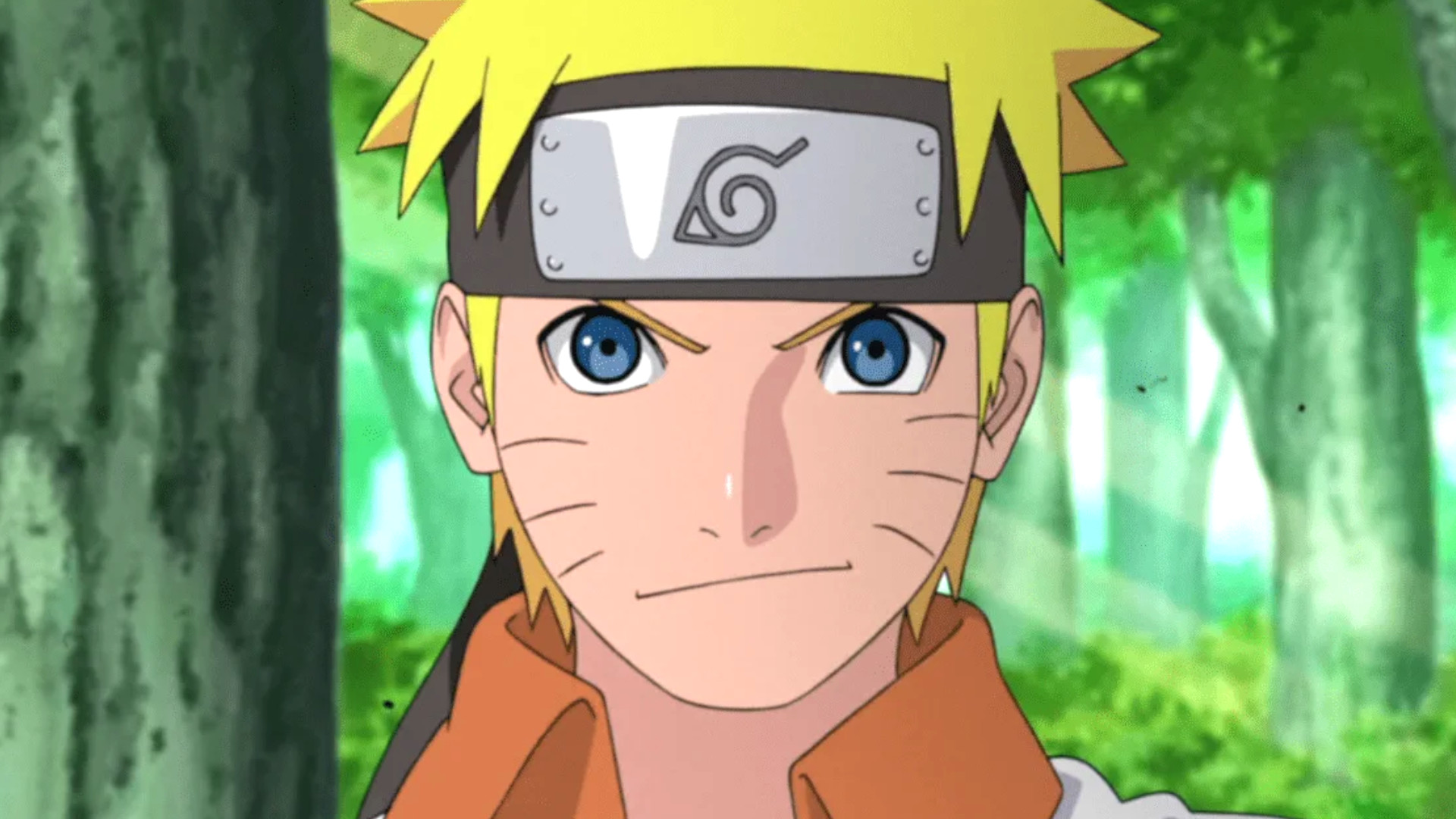
While Naruto is often remembered for its high-energy battles and colorful ninja world, its emotional gravity stems from themes of loneliness and the search for belonging. Naruto Uzumaki, shunned as a child because of the demon sealed within him, becomes the embodiment of perseverance through isolation. His greatest power is not a technique but his empathy — his ability to connect with others who suffer.
The series continually explores the psychology of abandonment and revenge. Characters like Sasuke, Gaara, and Pain all reflect different responses to trauma — from anger and withdrawal to nihilistic destruction. Each antagonist is a mirror of Naruto’s potential future had he not chosen connection over resentment.
Psycho-Pass: The Surveillance of the Mind
If Death Note questions individual morality, Psycho-Pass examines systemic control. Set in a dystopian future where an AI system can measure a person’s mental state and predict their potential for crime, the series delves into the ethics of preemptive justice. It asks a chilling question: if technology can quantify your mind, do you still have free will?
Inspector Akane Tsunemori’s journey from idealist to disillusioned realist mirrors the viewer’s psychological discomfort with surveillance and determinism. The Sibyl System, which governs society, functions as a metaphor for the superego — the authoritarian voice of morality and order within the psyche. Yet as Akane learns, morality imposed from above breeds dependence and complacency. True justice, she realizes, must come from within — from the capacity for individual thought, even if it risks chaos.
The Universal Language of Inner Conflict
What binds these diverse anime together is their shared fascination with the human mind. Whether through mechas, monsters, or moral dilemmas, each series peels back the layers of the self to reveal universal truths about fear, desire, and transformation. These stories endure because they offer both escape and reflection — worlds that feel fantastical, yet eerily familiar in their portrayal of inner pain.
Anime’s psychological themes often resonate with younger audiences because adolescence itself is a period of identity crisis and emotional volatility. But its insights transcend age, touching anyone who has wrestled with loneliness, moral uncertainty, or the search for purpose. By externalizing these internal struggles through vivid metaphors and archetypes, anime transforms psychology into art.
Conclusion: The Mind as the Ultimate Battlefield
In the end, the most compelling battles in anime are not fought with swords, jutsu, or alchemy — but within the mind. Behind every villain’s ideology, every hero’s trauma, and every climactic showdown lies a deeper struggle: to understand oneself and the world. The best anime series remind us that strength is not the absence of weakness, but the courage to confront it.
Through its unique fusion of spectacle and psychology, anime speaks to the complexity of being human. Beneath the color and chaos, it offers something quietly profound — a reminder that every external war reflects an inner one, and that the greatest victory is not defeating an enemy, but making peace with the self.