
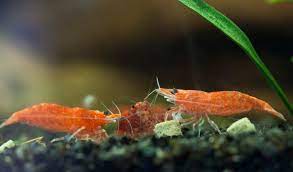
Aquarium shrimp are increasingly popular among aquarists for their vibrant colors, fascinating behaviors, and valuable role in maintaining tank cleanliness. However, successful shrimp keeping requires understanding the compatibility between different species and their tank mates. This ensures a harmonious and thriving aquatic environment.
Compatibility Among Shrimp Species
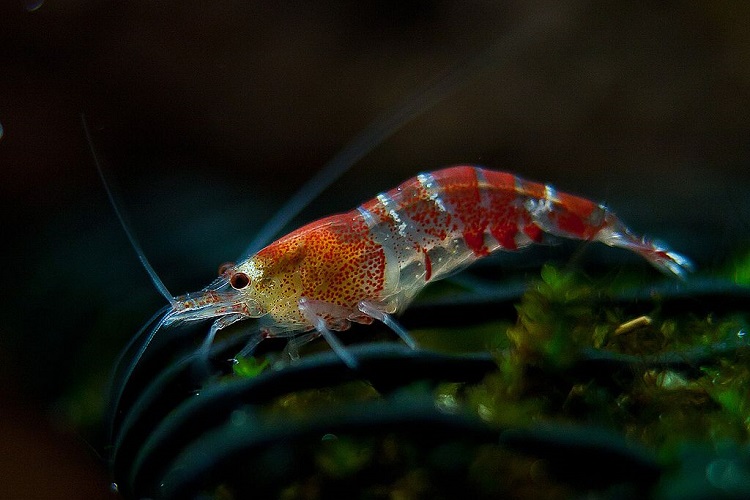
When mixing different shrimp species in a single aquarium, it’s crucial to consider their compatibility. Some shrimp species, like Neocaridina and Caridina, have similar care requirements and can often coexist peacefully. For instance, Red Cherry Shrimp (Neocaridina davidi) and Crystal Red Shrimp (Caridina cantonensis) can live together if water parameters are carefully monitored. However, even closely related species may interbreed, leading to hybrid offspring with unpredictable traits. It’s essential to research each species’ specific needs and potential for hybridization to prevent unwanted breeding.
On the other hand, some shrimp species, such as Amano Shrimp (Caridina multidentata), are more tolerant of a range of conditions and can coexist with various tank mates. These shrimp are larger and more robust, making them suitable for mixed-species tanks. However, dwarf shrimp like the popular Blue Velvet Shrimp (Neocaridina davidi) are more delicate and may not thrive in the presence of more aggressive shrimp or fish species.
Shrimp and Fish Compatibility
The compatibility of shrimp with fish tank mates is another critical consideration. Many small, peaceful fish species can coexist with shrimp without posing a threat. Popular choices include Tetras, Rasboras, and small Corydoras catfish. These fish typically ignore shrimp and focus on their food and territory.
However, some fish species are known to prey on shrimp, viewing them as a convenient food source. Predatory fish, such as Bettas, Cichlids, and larger Catfish, should be avoided in shrimp tanks. Even seemingly harmless fish like Guppies and Gouramis can exhibit predatory behavior toward baby shrimp. Providing ample hiding spaces, such as dense plants, caves, and moss, can help protect shrimp from potential predators, including sensitive species like green jade shrimp.
Invertebrate and Shrimp Compatibility
In addition to fish, other invertebrates may share the tank with shrimp. Snails like Nerite and Mystery Snails are generally compatible with shrimp, as they occupy different niches and do not compete for food. They also contribute to the tank’s cleanliness by consuming algae and detritus.
Other invertebrates, like dwarf crayfish and crabs, can threaten shrimp. Crayfish are known for their aggressive behavior and may attack and consume shrimp. Similarly, crabs, especially larger species like Fiddler Crabs, can be predatory and pose a risk to shrimp. It’s best to avoid housing shrimp with these invertebrates to ensure their safety and well-being.
Conclusion
Ensuring the compatibility of aquarium shrimp with their tank mates is essential for maintaining a healthy and harmonious aquatic environment. By carefully selecting shrimp species that can coexist peacefully, avoiding predatory fish and invertebrates, and providing ample hiding spaces, aquarists can create a thriving shrimp community. Proper research and planning are key to successful shrimp keeping, allowing enthusiasts to enjoy the beauty and benefits of these fascinating creatures.