
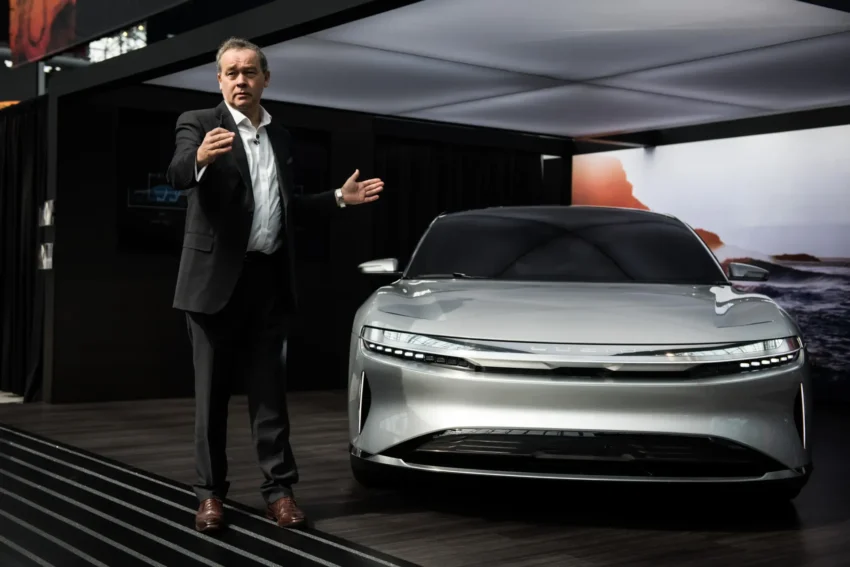
The electric vehicle (EV) industry is revolutionizing transportation, with advancements in prototyping playing a critical role in accelerating innovation. To meet the demands for lighter, stronger, and more efficient components, manufacturers are adopting cutting-edge casting techniques and material innovations. These advancements are not only improving performance but also reducing production timelines and costs, bringing EVs closer to mainstream adoption.
Casting Innovations Driving Efficiency
Modern casting techniques have transformed the way EV components are developed.
- Lightweight Design: Traditional casting methods often result in bulky and inefficient parts. Today, advanced casting processes, such as die casting and investment casting, allow for the creation of lightweight components without compromising strength. These materials enhance vehicle range and energy efficiency by reducing overall weight.
- Precision Manufacturing: High-pressure die casting ensures exceptional precision, enabling the production of intricate components like motor housings and battery enclosures. This level of detail minimizes post-production machining and speeds up prototyping.
- Sustainability: The use of recyclable metals like aluminum and magnesium has grown in popularity. These materials not only align with the EV industry’s eco-friendly goals but also offer superior corrosion resistance and thermal management.
Casting innovations are essential for creating high-quality prototypes that meet the demands of the EV market.
Material Innovation for High Performance
The choice of materials plays a pivotal role in EV prototyping.
- Advanced Alloys: The introduction of new alloys has significantly enhanced the durability and performance of EV components. Materials such as aluminum-silicon alloys are being used for critical parts like engine mounts and structural supports.
- Composites: Fiber-reinforced composites are increasingly favored for their strength-to-weight ratio. These materials are particularly useful for structural components and panels, contributing to lighter and more aerodynamic vehicle designs.
- Thermal Conductivity Materials: Efficient thermal management is vital for EV batteries. Innovations in heat-resistant materials like thermoplastics and graphene-infused composites ensure optimal battery performance and safety.
Material advancements are enabling EV manufacturers to overcome challenges like heat dissipation, weight reduction, and durability, paving the way for superior vehicle designs.
Accelerating Prototyping with 3D Printing
3D printing has become an indispensable tool in EV prototyping and a great part of prototyping services for manufacturing parts.
- Rapid Iteration: By using 3D printing, manufacturers can quickly produce and test multiple prototypes, reducing development time significantly.
- Customizable Designs: The flexibility of additive manufacturing allows for the creation of bespoke components tailored to specific performance requirements, which is particularly beneficial for innovative EV designs.
- Integration with Casting: Hybrid approaches that combine 3D-printed molds with traditional casting methods are gaining traction, offering both speed and accuracy in prototyping.
This synergy between 3D printing and casting technologies ensures that EV manufacturers can stay ahead in a highly competitive market.
Conclusion
Advancements in casting techniques, material innovation, and 3D printing are revolutionizing the prototyping process for electric vehicles. These innovations are helping manufacturers produce efficient, durable, and lightweight components, driving the evolution of EV technology. As the industry continues to push boundaries, the integration of these technologies will be instrumental in delivering sustainable and high-performing electric vehicles to the market.