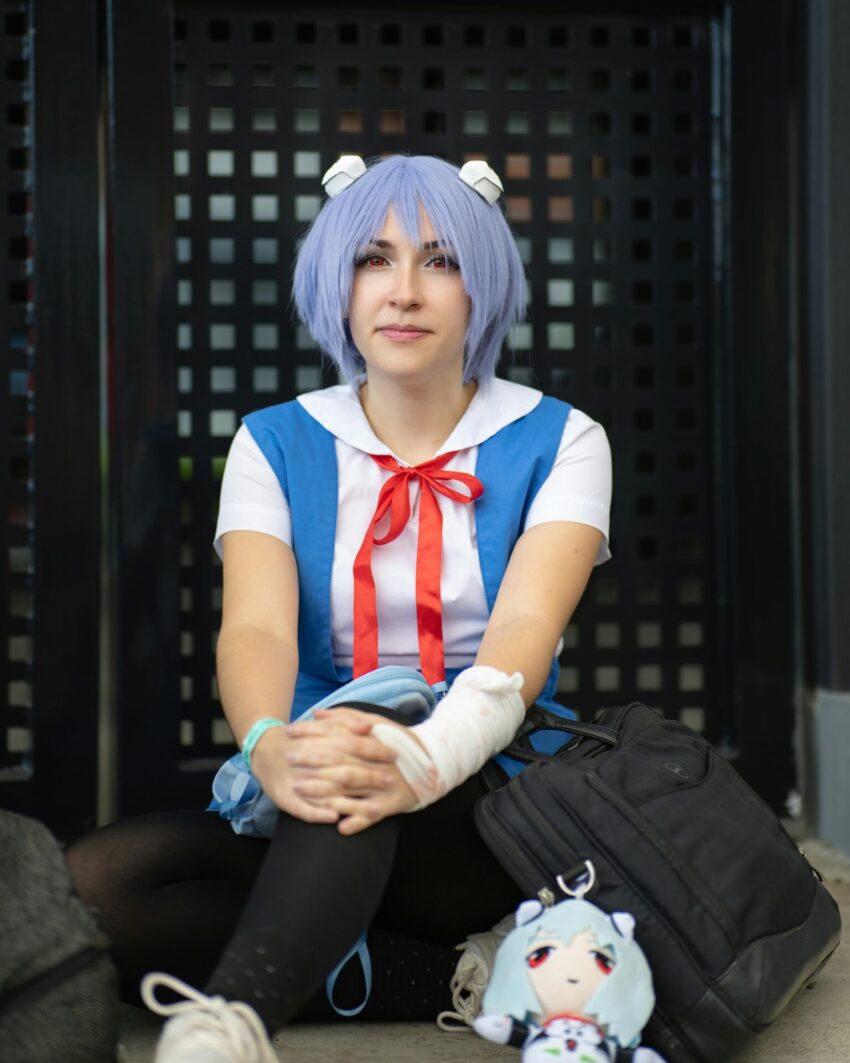
Fan art has become an omnipresent part of modern popular culture, reflecting the passion, creativity, and dedication of fans toward their favorite media franchises, characters, and stories. From comic books to anime, video games to blockbuster movies, fan art provides enthusiasts with a platform to express their admiration while adding their own interpretations and creative twists. Social media platforms, online art communities, and conventions have all contributed to the rapid growth of this phenomenon, making fan art more visible and influential than ever before.
At its core, fan art is a form of homage. Artists reinterpret beloved characters or scenes, often highlighting aspects that resonate personally with them or their audience. This creative dialogue between fans and original creators can enrich the cultural landscape, allowing for unique perspectives and fresh ideas to flourish. Many fan artists gain recognition and even career opportunities through these works, demonstrating the power of community-driven creativity. Fan art competitions, collaborative projects, and dedicated fan sites have also helped legitimize fan contributions as a vibrant form of artistic expression.
However, the growth of fan art culture also brings with it complex legal and ethical challenges. While the intent is often celebratory, fan art can inadvertently cross into areas protected by copyright law. Original characters, plotlines, and visual designs are intellectual property owned by creators or studios, and reproducing them without permission can constitute copyright infringement. The fine line between tribute and theft is nuanced, often depending on how closely the fan work mirrors the original, whether it is distributed commercially, and how it impacts the original creator’s market. These challenges have sparked ongoing debates about the rights of fans versus the rights of content owners, creating a tension that defines much of the contemporary fan art landscape.
Despite these concerns, fan art continues to thrive, suggesting that the cultural value of fan creativity is significant. Original creators often embrace fan art as a form of free promotion or a testament to the impact of their work. In some cases, studios have released official guidelines for fan creations, encouraging non-commercial works while reserving rights for commercial exploitation. This delicate balance between encouraging artistic expression and protecting intellectual property underscores the ongoing negotiation between legal frameworks and fan-driven culture.
Understanding Copyright Law and Its Implications
To navigate the world of fan art, it is essential to understand how copyright law functions and why it matters. Copyright is a legal mechanism designed to protect the rights of creators by giving them exclusive control over the reproduction, distribution, and public display of their work. This protection extends to characters, storylines, artwork, and other original content, meaning that reproducing or modifying copyrighted material without permission is generally prohibited.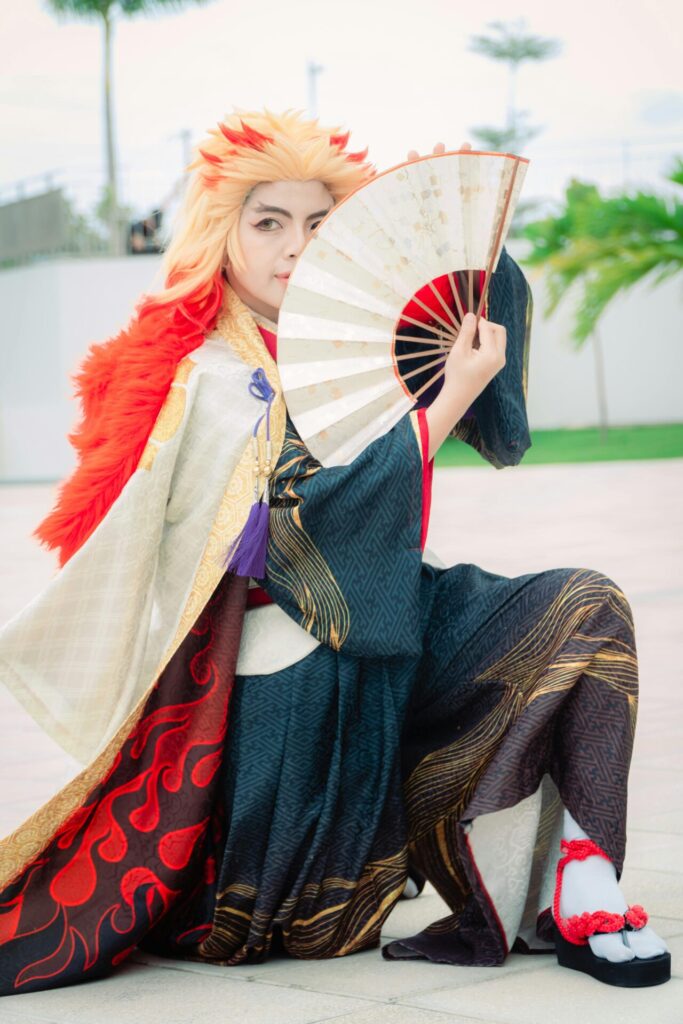
However, copyright law is not absolute. There are legal concepts such as fair use that can allow fan art to exist under certain circumstances. Fair use typically applies when a work is transformative—adding new expression, meaning, or message—and does not negatively impact the market value of the original. Parody is another protected form, allowing creators to comment on or critique original works. Despite these exceptions, the boundaries of fair use are highly context-dependent and often require careful legal consideration. What one court might deem a transformative homage, another might classify as infringement.
The potential legal risks associated with fan art are not merely theoretical. Numerous high-profile cases have demonstrated how studios and rights holders may take legal action to protect their intellectual property. For example, artists selling fan-made merchandise without permission have faced cease-and-desist orders, lawsuits, or the removal of their works from online platforms. These examples highlight that even well-intentioned fan art can become legally contentious if it is monetized or distributed widely.
Creators and fans alike must also consider moral rights and attribution, which are sometimes separate from copyright. Some jurisdictions grant creators the right to be recognized as the author of a work and to prevent modifications that could harm their reputation. Fan art, particularly when it alters a character’s personality, appearance, or narrative, can intersect with these moral rights, further complicating the legal and ethical landscape. Understanding these protections is crucial for anyone engaging in fan art, ensuring that creativity does not inadvertently cross into unauthorized use or misrepresentation.Just as payday loan debt relief helps individuals navigate complex financial risks before they escalate into serious consequences, understanding the legal boundaries of fan art allows creators to protect their work and avoid unintended legal trouble.
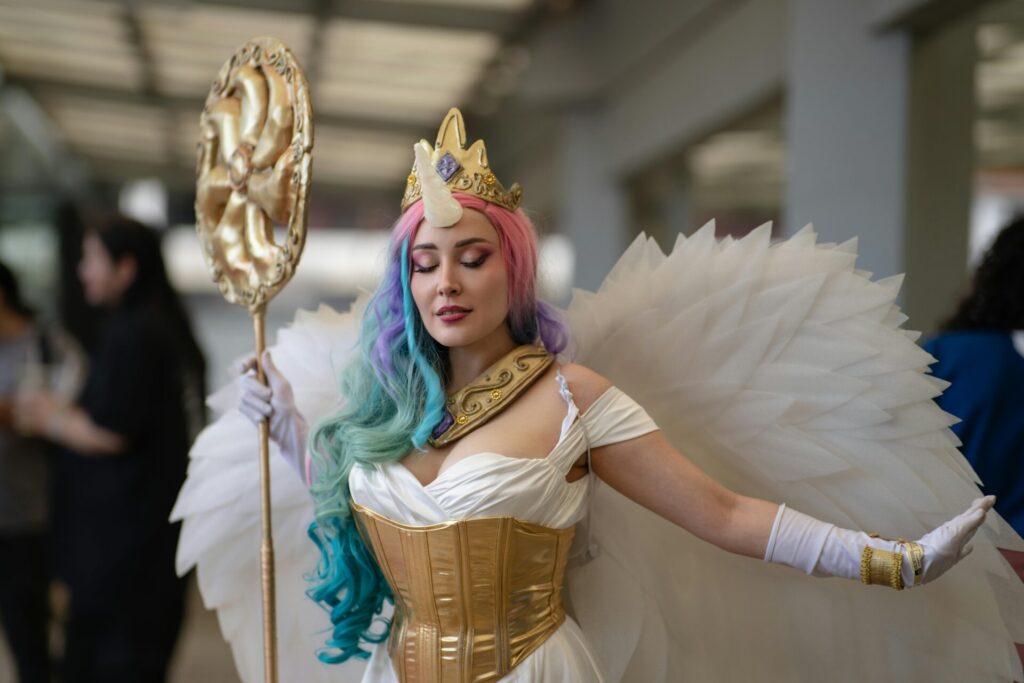
The Ethical Debate: Tribute Versus Exploitation
While copyright law provides the legal framework for understanding fan art, the ethical dimension is often more subjective and debated. Many fan artists view their work as a sincere tribute, an expression of admiration that contributes to the cultural vitality of the original material. By reimagining characters, crafting alternative storylines, or exploring untold aspects of a fictional universe, fan art can deepen audience engagement and strengthen fandom communities.
However, ethical questions arise when fan art intersects with monetization or commercial gain. Selling fan merchandise, producing print-on-demand items, or accepting commissions based on copyrighted characters can be viewed as exploitation, particularly if it competes with official products or diminishes the creator’s control over their intellectual property. Some argue that even well-intentioned commercial activity can undermine the original artist’s rights, while others see it as a natural extension of fandom-driven culture in a participatory media landscape.Navigating this ethical balance is much like choosing winter apparel—layering respect, intent, and responsibility to stay protected while still allowing creative expression to breathe.
Another ethical concern involves the representation and reinterpretation of copyrighted characters. Fan artists may adapt characters in ways that diverge significantly from the original narrative or values, raising questions about fidelity and respect. For instance, depicting characters in controversial or adult contexts can generate backlash from creators or communities, even if the work is legally permissible. Balancing personal creative freedom with sensitivity to the original work is a persistent challenge, requiring a nuanced understanding of both ethical considerations and fan community norms.
Fan art can also serve a socially beneficial role by fostering inclusivity, representation, and dialogue around media content. Artists frequently use fan art to imagine more diverse or marginalized perspectives within established universes, giving voice to underrepresented communities. In this sense, fan art functions not only as a tribute but as a cultural commentary, enriching the original work and extending its relevance in contemporary society. The ethical evaluation of fan art is thus not binary; it depends on context, intent, and impact, highlighting the delicate balance between homage and infringement.In a similar way that b2b tech pr shapes conversations and broadens perspectives within established industries, fan art expands existing narratives by encouraging inclusion, dialogue, and meaningful cultural reinterpretation.
Platforms, Policies, and Community Guidelines
The rise of digital platforms has amplified both the reach and complexity of fan art, making the interplay between creativity, copyright, and platform policies increasingly significant. Websites like DeviantArt, Tumblr, Instagram, and TikTok serve as major hubs for fan expression, allowing artists to share work with global audiences instantaneously. While these platforms empower creators, they also introduce challenges related to copyright enforcement, content moderation, and monetization.
Many platforms have specific policies regarding copyrighted material, often requiring artists to avoid direct commercial exploitation or to provide proper attribution. Failure to adhere to these rules can result in content removal, account suspension, or legal action. Automated detection systems, such as content ID or copyright filters, sometimes remove fan art erroneously, creating tension between creativity and algorithmic enforcement. These dynamics underscore that even non-commercial fan art is not entirely free from risk in the digital age.Much like post-op recovery care miami provides careful oversight during a sensitive healing process, digital platforms must balance protection and support by managing fan art in ways that safeguard rights without stifling creative expression.
Communities and platforms also play a role in shaping norms and expectations around fan art. Online fandoms often self-regulate through shared standards for attribution, respectful use of copyrighted material, and appropriate contexts for posting. Participating in these communities provides guidance for artists navigating legal and ethical boundaries while fostering collaboration and feedback. The collaborative nature of fan art communities illustrates that cultural norms can complement legal frameworks, helping artists understand what is acceptable and what crosses the line into infringement.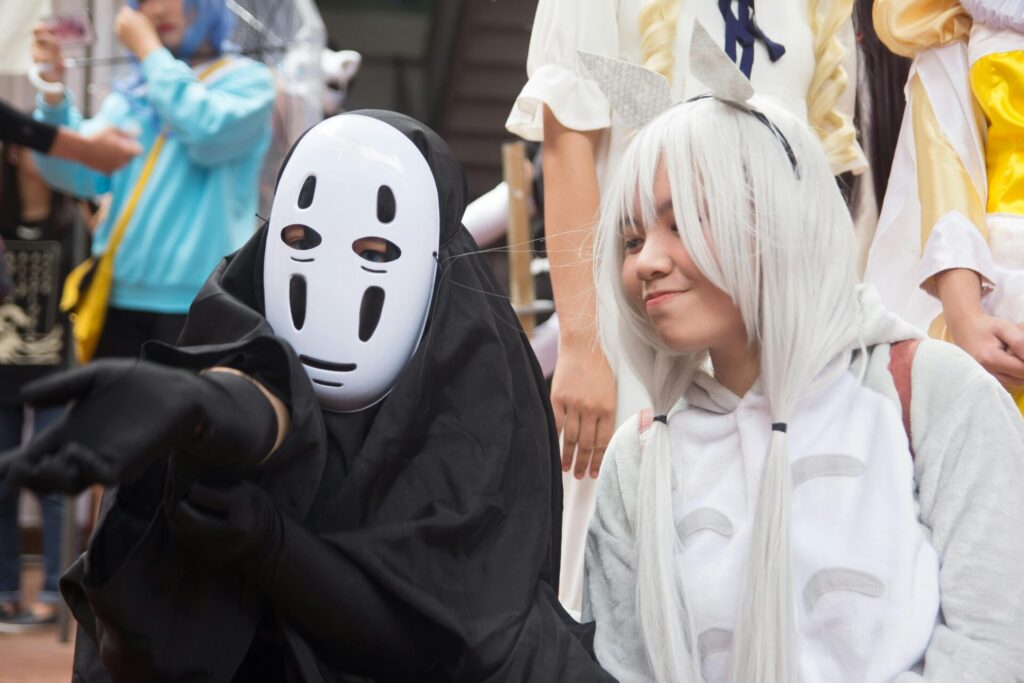
Conclusion: Navigating the Fine Line
Fan art occupies a fascinating intersection between creativity, law, and culture. It is a vibrant form of expression that celebrates beloved media while allowing fans to leave their personal imprint on existing narratives. At the same time, the production and distribution of fan art exist within a complex legal and ethical framework, shaped by copyright law, platform policies, and community standards. Understanding these dynamics is crucial for artists who wish to engage meaningfully with the medium without crossing into unauthorized use or exploitation.Much like the ability to design your own t-shirt empowers individuals to personalize existing styles, fan art allows creators to add their own voice to established works while navigating the boundaries set by legal and ethical guidelines.
The fine line between tribute and theft is not always clear, and the consequences of missteps can be significant. Yet the persistence and popularity of fan art demonstrate that there is immense cultural value in these creative reinterpretations. Fan art strengthens communities, encourages artistic growth, and often serves as a bridge between audiences and original creators. As long as artists approach their work with respect for intellectual property, ethical awareness, and sensitivity to the original content, fan art will continue to thrive as a legitimate and celebrated form of artistic expression.
Ultimately, the ongoing dialogue between fans and creators exemplifies the evolving nature of creativity in the modern media landscape. Legal frameworks, ethical considerations, and community norms may define the boundaries, but the spirit of tribute, admiration, and reinterpretation is what sustains fan art’s relevance. By navigating this fine line thoughtfully, artists can honor the worlds they love while contributing meaningfully to the cultural tapestry, demonstrating that creativity and legality can coexist when approached with care and integrity.Just as an insurance agency in ga helps people navigate risk while protecting what matters most, thoughtful awareness of legal and ethical boundaries allows fan artists to create freely while safeguarding the integrity of the original works.