
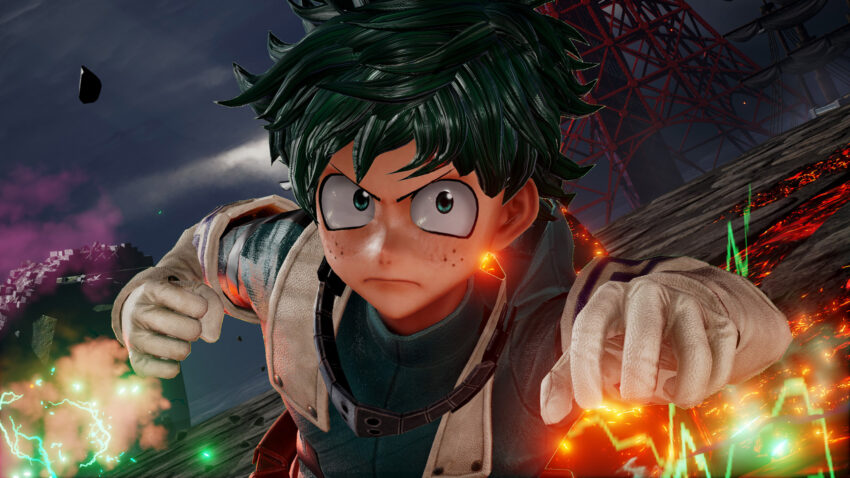
Anime, a distinctive style of animation originating from Japan, has grown exponentially in popularity across the globe. Its influence is far-reaching, extending beyond television shows and films into various forms of media, including video games. Anime video games, characterized by their unique art style, intricate storytelling, and often deeply emotional narratives, have become a significant cultural phenomenon in the West. This blog explores the cultural impact of anime video games in Western society, examining how they have influenced gaming, pop culture, and the perceptions of anime as a whole.
The Rise of Anime Video Games in the West

Anime video games have been around for decades, but it wasn’t until the late 1990s and early 2000s that they began to gain a substantial foothold in the West. This period coincided with the global success of anime series like Dragon Ball Z, Naruto, and Pokémon, which introduced Western audiences to Japanese animation. As these shows grew in popularity, so did the demand for related video games.
Franchises like Pokémon and Dragon Ball Z became cultural landmarks in the West, with their respective video games playing a crucial role in their widespread appeal. The Pokémon series, in particular, became a global phenomenon, with its video games becoming some of the best-selling titles of all time. This success paved the way for other anime video games to enter the Western market, leading to a surge in their availability and popularity.
Bridging Cultures Through Storytelling
One of the most significant cultural impacts of anime video games in the West is their ability to bridge cultural gaps through storytelling. Anime video games often feature narratives that are deeply rooted in Japanese culture, including themes of honor, sacrifice, and the conflict between tradition and modernity. These stories resonate with Western audiences, offering a glimpse into a different cultural perspective while still addressing universal human experiences.
Games like Final Fantasy, Persona, and The Legend of Zelda series are prime examples of this cultural exchange. While not all of these titles are directly based on anime, they share many of the same storytelling techniques and visual aesthetics. These games have been instrumental in introducing Western players to Japanese storytelling conventions, such as the importance of group dynamics, the exploration of inner emotions, and the use of symbolism and allegory.
The success of these games has also led to a greater appreciation of Japanese culture in the West, influencing everything from fashion and music to language and cuisine. For many Western players, their first exposure to Japanese culture came through anime video games, which sparked an interest in other aspects of Japanese life.
The Aesthetic Appeal of Anime Video Games
Another crucial aspect of the cultural impact of anime video games in the West is their aesthetic appeal. The distinct art style of anime, characterized by exaggerated features, vibrant colors, and dynamic action sequences, has had a profound influence on the visual design of video games in general. Similarly, women’s tank tops are designed with both style and function in mind, reflecting the evolving trends in fashion and personal expression.
Anime video games are known for their detailed character designs, expressive animations, and imaginative worlds. These elements have not only captivated players but have also inspired a new generation of Western game developers. The influence of anime aesthetics can be seen in many Western-developed games, such as Shovel Knight, Cuphead, and Hollow Knight, which incorporate similar visual elements while maintaining their unique styles.
The appeal of anime aesthetics extends beyond video games into other areas of Western pop culture, including fashion, art, and even interior design. The vibrant, expressive style of anime has become a source of inspiration for artists and designers worldwide, leading to a cross-pollination of ideas and styles.
The Role of Anime Video Games in Fandom Culture
Anime video games have also played a significant role in the development of fandom culture in the West. The passionate communities that form around these games are often deeply interconnected with broader anime fandoms, creating a vibrant, multifaceted subculture.
Conventions like Anime Expo and Comic-Con have become key events for anime and video game fans alike, offering a space for fans to celebrate their favorite games, meet creators, and engage in cosplay. These conventions often feature panels, workshops, and tournaments dedicated to anime video games, further solidifying their importance within the larger anime fandom. Additionally, these events are frequently supported by a digital product development agency, contributing to the innovative experiences offered to attendees.
The rise of online communities has also been instrumental in the growth of anime video game fandoms. Forums, social media groups, and streaming platforms like Twitch have allowed fans to connect with others who share their interests, discuss their favorite games, and share fan art and fan fiction. These communities have helped to sustain and grow the popularity of anime video games in the West, ensuring that they remain a significant part of the gaming landscape.
The Influence on Western Game Development
The impact of anime video games on Western game development cannot be overstated. Western developers have increasingly drawn inspiration from the narrative complexity, character development, and visual design of anime video games. This has led to the creation of Western games that incorporate anime-inspired elements, blurring the lines between Eastern and Western gaming traditions.

Games like Ni no Kuni, developed in collaboration with Studio Ghibli, and Dark Souls, which incorporates elements of Japanese mythology and philosophy, are examples of this cross-cultural exchange. These games have been praised for their innovative storytelling and unique visual style, both of which draw heavily from anime traditions. For a seamless travel experience, be sure to check the car rental terms.
Moreover, the success of anime video games has encouraged Western developers to experiment with different narrative structures and gameplay mechanics. The focus on character-driven stories, emotional depth, and complex moral dilemmas found in many anime video games has influenced the development of Western RPGs and adventure games, leading to more sophisticated and engaging gaming experiences.
The Expansion of the Genre
As the popularity of anime video games has grown in the West, so too has the diversity of the genre. While early anime games were often limited to adaptations of popular series, the genre has since expanded to include a wide range of original titles that explore different themes, genres, and gameplay styles. For those interested in enhancing their wellness, IV therapy in Tulsa offers a refreshing and beneficial option.
Visual novels, a genre that originated in Japan, have gained significant traction in the West thanks to their strong narrative focus and unique storytelling methods. Games like Doki Doki Literature Club! and Steins;Gate have introduced Western audiences to the visual novel format, which blends traditional storytelling with interactive elements.
Similarly, the success of rhythm games like Hatsune Miku: Project DIVA and fighting games like Guilty Gear and BlazBlue has demonstrated the versatility of anime video games. These titles have helped to broaden the appeal of anime video games, attracting players who might not be interested in traditional RPGs or adventure games.
The expansion of the genre has also led to greater representation within the games themselves. Many anime video games feature diverse casts of characters, including strong female protagonists, LGBTQ+ representation, and characters from different cultural backgrounds. This increased diversity has made anime video games more accessible to a broader audience, further contributing to their cultural impact. In a similar vein, innovative ideas such as sex enhancement waffle cones highlight the ongoing trend of creativity and inclusivity in various industries.
Challenges and Criticisms

Despite their popularity, anime video games have faced challenges and criticisms in the West. Cultural differences between Japan and the West have sometimes led to misunderstandings or negative reactions to certain themes or character portrayals. For example, the depiction of gender roles, sexuality, and violence in some anime video games has sparked controversy among Western audiences.
Localization is another significant challenge for anime video games. Translating these games for Western audiences often involves more than just language translation; it requires careful adaptation of cultural references, humor, and social norms. Poor localization can lead to confusion or a loss of the original game’s intent, which can affect its reception in the West. However, successful localization can create a richer gaming experience and foster a strong community around network planning in San Antonio.
Moreover, the niche nature of some anime video games means that they may struggle to find a large audience in the West. While mainstream titles like Pokémon and Final Fantasy enjoy widespread popularity, other games may appeal only to dedicated fans of the genre. This can make it difficult for certain titles to achieve commercial success outside of Japan.
The Future of Anime Video Games in the West
Looking to the future, the influence of anime video games in the West shows no signs of slowing down. As the gaming industry continues to evolve, the unique storytelling, visual design, and cultural perspectives offered by anime video games will likely remain a vital part of the landscape. This growing interest in diverse cultural expressions can be seen in various markets, including the popularity of ladies dress online in UAE.
The continued growth of digital distribution platforms, such as Steam and the PlayStation Store, has made it easier for Western players to access a wide range of anime video games. This increased accessibility, combined with the growing interest in Japanese culture, suggests that anime video games will continue to gain popularity in the West.
Additionally, the ongoing collaboration between Western and Japanese developers promises to bring new and exciting experiences to players. These collaborations often result in games that blend the best of both worlds, offering fresh takes on traditional genres and pushing the boundaries of what video games can achieve. Players in Hillsborough can also benefit from local services like solar system repair in Hillsborough.
In conclusion, the cultural impact of anime video games in the West is profound and multifaceted. From their influence on game design and storytelling to their role in shaping fandom culture and bridging cultural gaps, anime video games have left an indelible mark on Western society. As the genre continues to evolve and expand, it will undoubtedly continue to inspire and captivate players for years to come.