
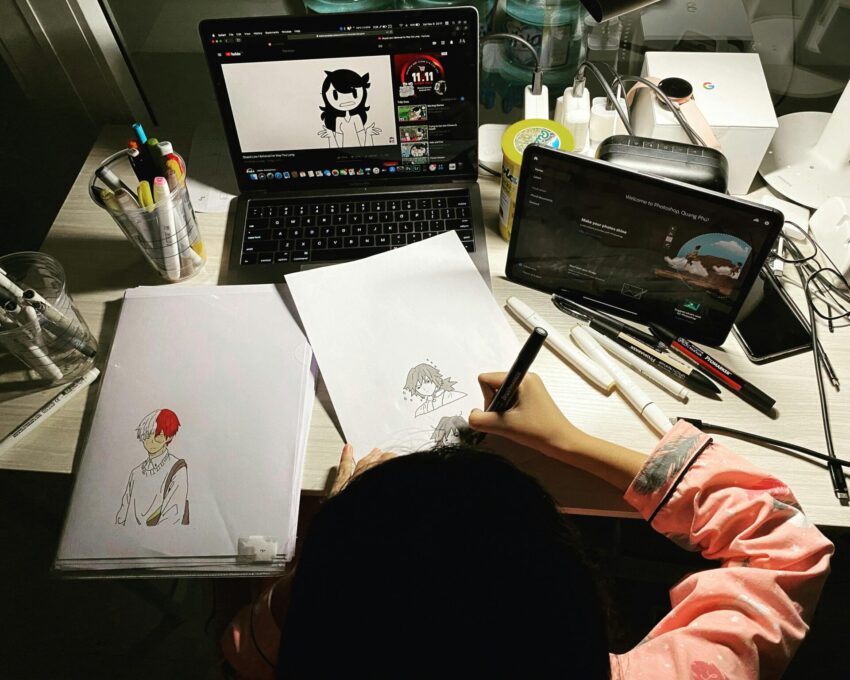
The world of anime is often associated with vibrant colors, dynamic characters, and intricate worlds bursting with visual life. However, the medium’s origins trace back to an era when color was either unavailable or too costly to produce, making monochrome design a fundamental artistic tool. Early anime, much like its live-action counterparts, relied on black-and-white visuals or limited grayscale palettes to tell compelling stories. These early monochrome works were not simply a technological limitation but a unique artistic language that skillfully conveyed mood, emotion, and depth.
Before the advent of color animation, creators had to innovate within strict visual boundaries. The absence of color pushed animators, illustrators, and directors to develop nuanced ways of communicating tone, atmosphere, and character through shading, contrast, and composition. The interplay between light and shadow became central to storytelling. Monochrome anime used sharp contrasts and delicate gradients to express tension, mystery, joy, and sorrow, often resulting in a deeply immersive viewing experience that color animation sometimes struggles to replicate. This focus on subtle visual storytelling can even inspire designs in other fields, such as creating eye-catching patriotic t-shirts for men.
Furthermore, these monochrome works laid the groundwork for stylistic choices that remain influential even in today’s colorful anime. By understanding how mood and depth were crafted without the luxury of color, we gain a new appreciation for the artistic ingenuity behind these pioneering animations. This article explores the evolution of monochrome anime design, the techniques used to evoke powerful emotions, and the lasting impact of black-and-white aesthetics on the medium.
The Historical Context of Monochrome Anime
In the early 20th century, animation in Japan, like in many parts of the world, was confined to black-and-white visuals due to technological and financial constraints. The first Japanese animations emerged in the 1910s and 1920s, a time when film technology was still developing. Color film was either nonexistent or prohibitively expensive, and early animators had to rely on traditional drawing techniques and basic film equipment.
Anime’s monochrome era coincided with a time of great experimentation. Studios and independent creators were pushing the boundaries of storytelling in a still-new medium. One of the most famous early works is Namakura Gatana (1917), a short silent film that showcased simple but expressive animation techniques. Though rudimentary by today’s standards, it demonstrated the potential of animation to tell stories without color.
The monochrome style was not just a result of technological limitations; it was also heavily influenced by Japanese woodblock prints (ukiyo-e) and manga art, which traditionally used black ink on white paper to create detailed imagery and dramatic compositions. Early manga, which became a major influence on anime, often relied on strong line work, cross-hatching, and stark contrasts to evoke emotion and personality in characters. This artistic tradition naturally carried over into the anime medium.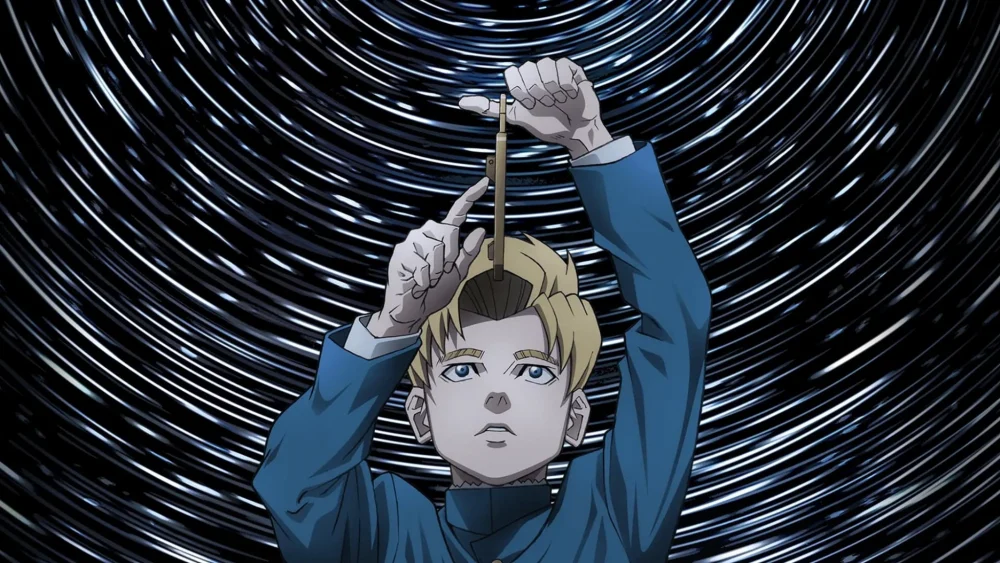
As sound was introduced into films, monochrome anime became more sophisticated in its storytelling. The use of sound effects, music, and voice acting enhanced the emotional depth that could be portrayed visually. Even without color, monochrome anime captivated audiences with compelling narratives and atmospheric visuals.
Techniques Used in Monochrome Anime to Convey Mood
The absence of color in early anime necessitated the development of specific artistic techniques that could evoke mood and atmosphere through light, shadow, and texture. These elements became the vocabulary of monochrome animation.
Chiaroscuro, the use of strong contrasts between light and dark, was one of the most important tools. By playing with light and shadow, animators created dramatic tension and highlighted emotional intensity. Scenes featuring stark shadows could suggest mystery, danger, or melancholy, while soft lighting conveyed gentleness or hope.
The use of line weight and texture also played a vital role. Thicker, heavier lines might indicate anger or aggression, while thinner, delicate lines could communicate fragility or sadness. Textures such as cross-hatching were employed to add depth to backgrounds and characters, providing a sense of volume and space that compensated for the lack of color.
Framing and composition were carefully designed to direct the viewer’s focus and suggest emotional undertones. Empty spaces, heavy darkness, and tight framing could all communicate feelings of isolation, suspense, or intimacy without a single colored pixel.
Another technique that emerged was the use of limited grayscale shading, where varying degrees of gray were introduced to soften the harshness of pure black and white. This subtle use of gradients helped suggest three-dimensionality and added nuance to characters’ expressions and movements.
Moreover, animation pacing and movement were integral to mood-setting. Slow, deliberate motions accompanied by shadow-heavy frames could enhance suspense or sadness, while faster, more fluid animation energized scenes of excitement or joy. The synergy of visual design and motion was critical in monochrome anime’s emotional storytelling.
The Role of Sound and Music in Enhancing Monochrome Storytelling
While the visuals in early monochrome anime were limited to black, white, and shades of gray, sound and music played a crucial complementary role in conveying mood and depth. Soundtracks, voice acting, and sound effects filled the emotional spaces that color could not reach.
Silent films, common in the earliest days, were often accompanied by live music performances that set the tone and rhythm for the story. As sound technology evolved, synchronized soundtracks became an essential part of the viewing experience. Music scores used specific melodies, tempos, and instruments to evoke sadness, suspense, or exhilaration.
Voice acting added layers of characterization that visuals alone couldn’t express. The intonation, pacing, and emotion in a character’s voice heightened the mood conveyed by the stark visuals. For example, a whisper accompanied by a shadowy frame might suggest secrecy or fear, while a loud, cheerful voice paired with a bright white background could communicate happiness and energy.
Sound effects also enriched the atmosphere. The creaking of a door, footsteps in an empty corridor, or the rushing of wind against a darkened landscape deepened immersion, making scenes feel more real and emotionally charged.
Thus, the interplay between monochrome visuals and sound created a holistic sensory experience. This synergy was vital for conveying the complexities of mood and depth, showing that early anime was more than just moving drawings — it was a carefully crafted emotional journey.
Iconic Monochrome Anime and Their Lasting Influence
Despite the transition to color in the 1960s and beyond, some monochrome anime remain iconic for their artistic mastery and emotional resonance. These works are studied for their innovative use of black-and-white design and continue to influence modern creators.
One landmark is Astro Boy (1963), created by Osamu Tezuka, often called the “God of Manga.” Although primarily produced in black and white due to budgetary constraints, Astro Boy featured dynamic compositions and expressive character designs that captivated audiences worldwide. Tezuka’s mastery of manga and animation techniques demonstrated how much emotion and storytelling power could be packed into monochrome images.
Other examples include Lupin III’s early episodes and several art-house or experimental works that embraced black-and-white aesthetics even after color was widely available. These choices were often deliberate, using monochrome to evoke nostalgia, noir atmosphere, or psychological depth.
The legacy of monochrome anime also extends into modern times with directors like Satoshi Kon and Masaaki Yuasa incorporating chiaroscuro and minimalist palettes in certain scenes to heighten mood or focus the viewer’s attention. This shows that the monochrome approach is not simply a relic but an ongoing artistic choice that enriches storytelling.
Furthermore, monochrome manga, which remains predominantly black-and-white, continues to influence anime production, emphasizing that the foundation of anime’s emotional and visual power often lies in the mastery of line, shadow, and composition rather than color alone.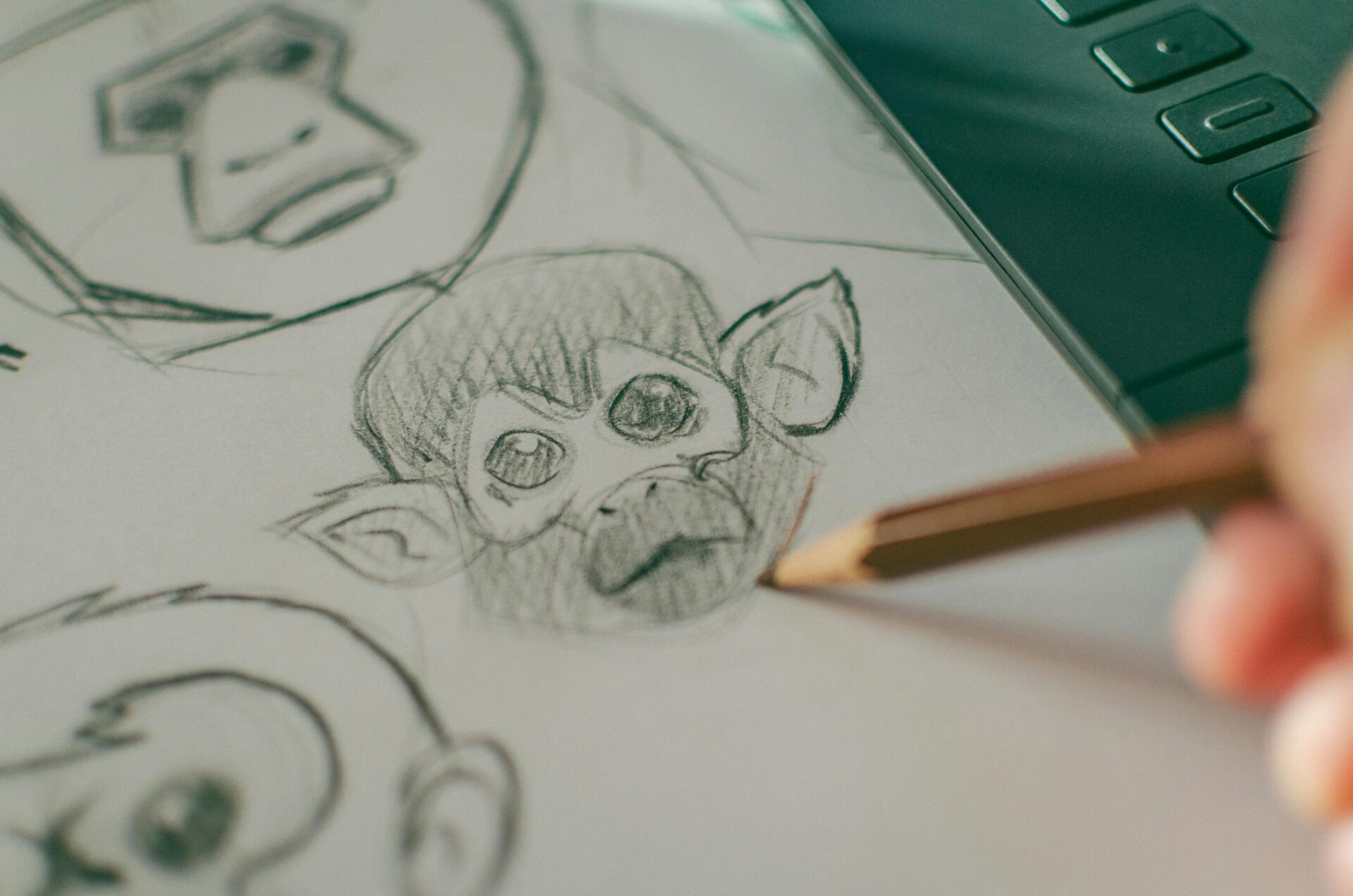
Conclusion
The era of monochrome anime was born out of technological and economic necessity but evolved into a profound artistic expression that shaped the medium’s narrative and emotional capabilities. Through the innovative use of light and shadow, line work, composition, sound, and pacing, early anime conveyed rich moods and deep psychological layers without the need for color.
These pioneering works did more than lay the technical groundwork for color animation; they established a visual language that remains deeply influential today. Understanding the artistry behind monochrome anime allows us to appreciate the medium’s origins and recognize the timeless power of black-and-white design to evoke mood, atmosphere, and depth. Far from being a limitation, the monochrome aesthetic proved to be a powerful storytelling tool, showing that sometimes, the absence of color can reveal the truest emotions.