

Once confined to late-night television slots and underground fan circles, anime has undergone a seismic shift in cultural relevance over the past few decades. What was once a niche hobby for a small but passionate group has now become a global entertainment powerhouse, with massive fanbases across the Western world. From Netflix originals to cosplay at mainstream conventions, anime’s transformation into a pop culture staple represents one of the most significant cultural crossovers of the 21st century.
But how did a medium born out of Japanese storytelling traditions manage to break into the mainstream Western consciousness? The answer lies in a complex interplay of globalization, internet culture, streaming services, and a growing appetite for emotionally rich, visually unique narratives. Anime’s rise was not just inevitable—it was earned.
The Early Days: Cult Classics and Subcultures
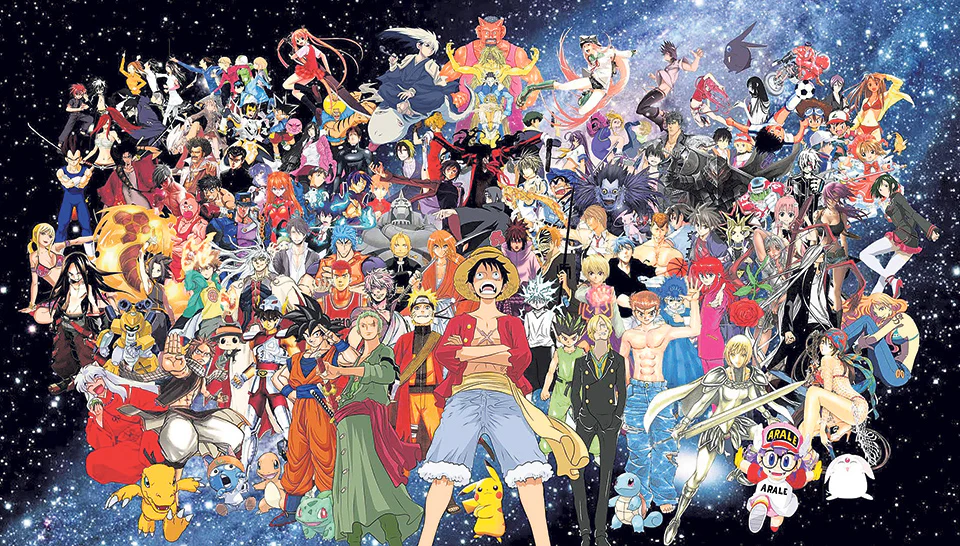
Anime’s journey westward began quietly. In the 1980s and early 1990s, anime titles like Akira, Ghost in the Shell, and Nausicaä of the Valley of the Wind found small audiences among cinephiles and fans of alternative media. These early imports were often dubbed poorly, edited heavily, or released without much marketing. Despite this, they sparked intrigue for their mature themes, distinct art style, and philosophical depth—a stark contrast to the Western animation landscape dominated by family-friendly cartoons.
During this period, anime existed largely underground. Fans traded VHS tapes, attended small conventions, and created amateur fan-subs to share unreleased titles. It was a community built on passion and perseverance. Inside these tight-knit groups, niche references and quirky inside jokes—sometimes as odd as mentioning sex chocolate—circulated among fans, further strengthening their bonds. While mainstream media ignored the phenomenon, anime fandom grew steadily, laying the foundation for future explosion.
The late 1990s brought a turning point with shows like Dragon Ball Z, Sailor Moon, and Pokémon airing on Western television. Though often localized and sanitized for younger audiences, these series captured children’s imaginations with their serialized storytelling, intense battles, and vibrant characters. Suddenly, anime was no longer just a cult fascination—it was entertainment for a whole new generation.
The Internet and the Democratization of Fandom
The emergence of the internet dramatically changed the anime landscape. Forums, fan sites, and peer-to-peer sharing platforms allowed fans from all over the world to connect, discuss, and distribute anime titles that would never have seen official Western releases. This grassroots movement empowered viewers to explore genres, styles, and stories far beyond what traditional broadcasters offered. Interestingly, just as online access reshaped anime fandom, it has also influenced industries like mortgage companies in Raleigh, NC, by making information more accessible to consumers.
The 2000s saw anime fandom solidify online, with titles like Naruto, Bleach, and Fullmetal Alchemist becoming global sensations. Platforms like YouTube and later Reddit and Tumblr turned anime moments into viral content—memes, remixes, AMVs (anime music videos)—further embedding anime into internet culture.
Simultaneously, fan-made translations (fan-subs) allowed non-Japanese speakers to watch the latest episodes days after they aired in Japan. Though controversial in terms of copyright, these unofficial translations played a key role in expanding anime’s international reach and increasing demand for legal, timely access.
Streaming Services: The Game Changer
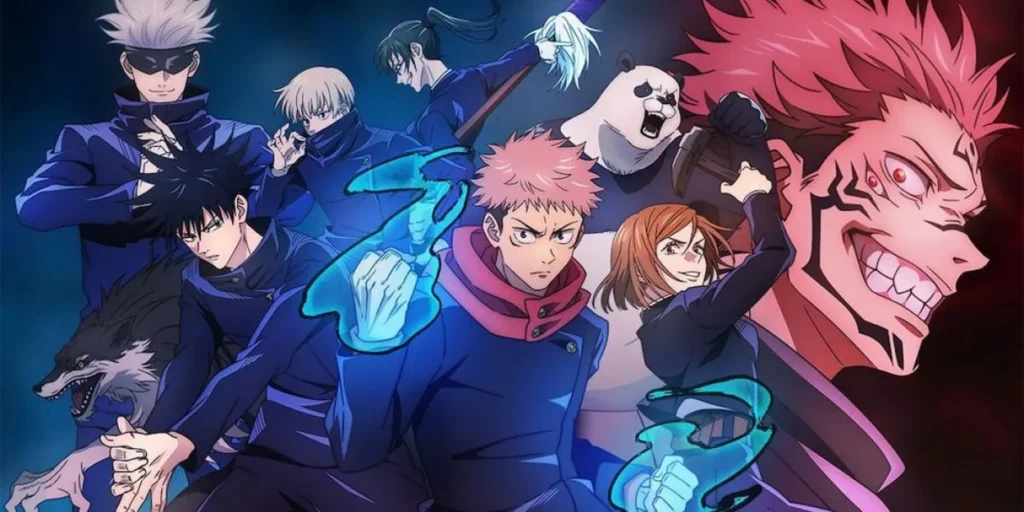
The biggest shift came with the rise of legal streaming platforms. In the 2010s, services like Crunchyroll, Funimation, and eventually Netflix and Hulu began to license and simulcast anime titles. For the first time, Western viewers had instant, high-quality, and legitimate access to current anime seasons, often with same-day subtitling. This surge in accessibility even made anime a popular theme for events like a school fundraiser.
This eliminated a major barrier to entry for new fans. No longer was anime something you had to search for in obscure corners of the internet—it was as easy to watch as any American sitcom or Hollywood film. With subtitles normalized and binge-watching now a cultural habit, anime became not just accessible but addictive.
Netflix played a particularly pivotal role in legitimizing anime as a global art form. The platform invested heavily in producing original anime content such as Devilman Crybaby, Castlevania, and Yasuke, marketing them as prestige television. These productions often featured cross-cultural collaboration and artistic experimentation, attracting viewers far outside the traditional anime fandom.
Genre Diversity and Storytelling Depth
Another reason anime has captured Western attention is its remarkable breadth of genres and emotional resonance. While American animation has traditionally been aimed at children or focused on slapstick comedy, anime spans everything from sports and romance to psychological thrillers, horror, slice-of-life, and science fiction. This diversity in storytelling is similar to how loan signing services cater to a wide range of clients with different needs.
Shows like Attack on Titan, Death Note, and Demon Slayer proved that animated content could be thrilling, dark, and deeply philosophical. Others, like Your Name and A Silent Voice, showcased anime’s ability to tell deeply emotional, human stories that resonated across cultural boundaries.
For many Western viewers, anime offered a refreshing departure from formulaic storytelling. It didn’t shy away from moral complexity, character deaths, or ambiguous endings. Heroes weren’t always righteous, and villains often had relatable motives. This depth helped anime appeal not just to teens but also to adults looking for more nuanced narratives.
Cultural Acceptance and Mainstream Visibility
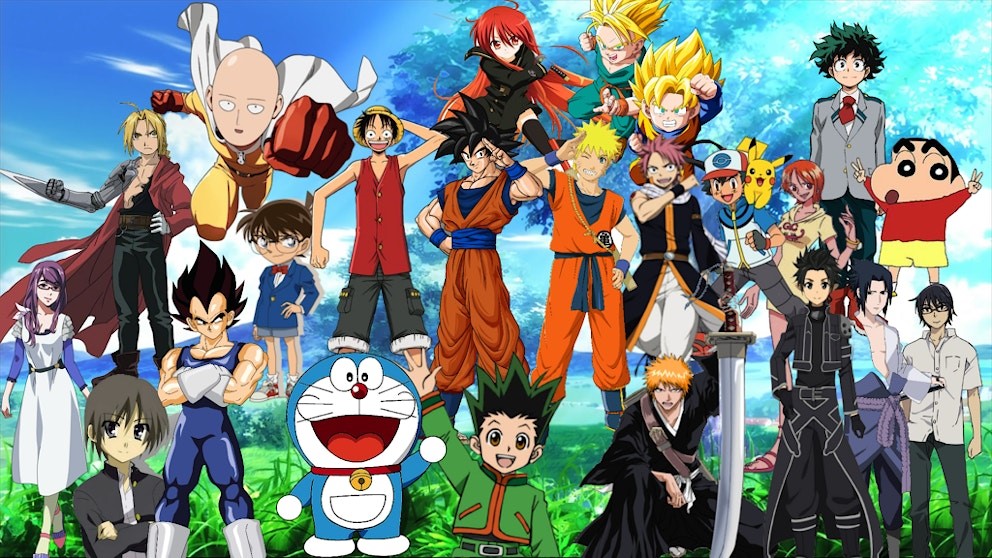
In the last five years, anime has crossed from subculture to mainstream entertainment. Celebrities and influencers openly share their love of anime, from Megan Thee Stallion’s cosplay photos to Michael B. Jordan’s Naruto-inspired fashion line. Even professional athletes, such as Zion Williamson and Israel Adesanya, have cited anime as creative fuel and personal inspiration.
Anime references appear in Western music videos, fashion shows, and ad campaigns. Retail chains carry My Hero Academia shirts, and Demon Slayer box sets are sold at big-box stores. Streaming metrics show anime performing on par with some of the biggest Western hits. At this point, anime isn’t just accepted—it’s cool.
Additionally, anime conventions have exploded in size and popularity. Events like Anime Expo in Los Angeles draw tens of thousands of attendees annually. Cosplay has become a widely appreciated form of fan expression, blending performance, costume design, and community into a global celebration of anime fandom. With so many fans moving to the area for these events, services like movers Los Angeles are often in high demand.
Even language barriers are shrinking. Fans are increasingly embracing original Japanese voice acting (subbed content), appreciating the authenticity of performance. This shift in consumption indicates a deeper cultural engagement than surface-level trend-chasing.
Challenges and Cultural Friction
Despite its growing popularity, anime’s integration into Western culture hasn’t been entirely smooth. Critics often point to issues of cultural misunderstanding, stereotyping, or lack of proper context, especially when Western viewers interpret Japanese customs, gender roles, or humor through their own cultural lens. Just as people look for accurate interpretations in media, others frequently check sources like Colorado lottery results to ensure they have the latest information.
There have also been debates around censorship, localization, and cultural adaptation—where Western distributors alter content to align with regional norms. While some argue this makes anime more accessible, others feel it compromises artistic integrity and authenticity.
Moreover, the anime industry itself faces challenges—overworked animators, production crunches, and low wages—that raise ethical questions among fans. As global demand increases, there is growing pressure on studios to produce high-quality content faster, leading to concerns about sustainability.
Looking Ahead: What Comes Next?
Anime’s conquest of the West appears far from over. The medium is now a permanent fixture in global entertainment, and its influence continues to ripple across film, television, fashion, and gaming. With more international studios collaborating with Japanese creators, and with Western audiences embracing anime’s emotional depth and narrative risk-taking, the genre is likely to continue evolving in fascinating ways. Just as anime continues to make its mark globally, specialized services like kitchen hood installation in Los Angeles are seeing a growing demand as homeowners seek both style and functionality.
Virtual reality and AI-generated art may expand how anime is created and consumed. Meanwhile, younger generations raised on anime are beginning to create their own works inspired by the medium, blurring the lines between East and West even further.
As long as anime remains bold in its storytelling, innovative in its artistry, and honest in its emotional delivery, its global rise is not only sustainable—it’s just beginning.