

Studio Ghibli films hold a special place in the hearts of viewers worldwide. Their enchanting worlds brim with whimsy and magic, yet, paradoxically, they evoke a profound sense of realism and emotional depth. Unlike many fantasy films that overwhelm with spectacle or feel contrived, Ghibli’s creations invite audiences into universes that feel both fantastical and intimately familiar, creating an effortless sense of reality. This rare balance is what gives Ghibli films their enduring charm and impact. Understanding why these animated masterpieces resonate so deeply requires exploring how Studio Ghibli weaves fantasy and reality together seamlessly, eliminating the “friction” that often hinders suspension of disbelief.
At the core of this phenomenon lies a unique philosophy of storytelling, an intricate attention to detail, and a profound respect for the natural world and human experience. Ghibli films don’t simply tell stories about magical beings or extraordinary events; they ground their fantasy in tangible emotions, relatable characters, and richly textured environments. This grounding creates a magical realism where fantastical elements don’t jar but instead feel like natural extensions of the world.
The experience of watching a Ghibli film is like stepping into a dream you can believe in. Whether it’s the spirited adventures of Chihiro in Spirited Away or the quiet countryside life in My Neighbor Totoro, the magic never feels forced or artificial. Instead, it flows effortlessly from the characters’ inner lives and the world they inhabit. This article delves into the reasons why Ghibli films feel so effortlessly real, exploring their narrative style, visual design, thematic depth, and emotional authenticity, all of which combine to create fantasy without friction.
The Art of Subtle Storytelling: How Ghibli Blends the Ordinary and the Extraordinary
One of the most striking qualities of Ghibli films is their masterful storytelling approach that blurs the line between the ordinary and the extraordinary.
Unlike many fantasy stories that thrust viewers into overtly dramatic or high-stakes plots, Ghibli films often start with everyday moments — a family moving house, a girl helping her father with chores, or children exploring their neighborhood. These mundane settings are not just backdrops but integral parts of the narrative fabric, anchoring the story in reality before the magic unfolds. For those seeking ways to enhance their own physical well-being while enjoying such everyday joys, exploring options like physical therapy in Chicago can be a wonderful choice.
This approach creates a sense of familiarity and comfort that gently welcomes the audience into the story’s world. When fantastical elements appear, whether it’s spirits, flying machines, or enchanted forests, they are introduced naturally, without fanfare or excessive exposition. This seamless integration ensures that the fantasy feels like an organic part of the world rather than a separate, jarring component.
Moreover, Ghibli directors such as Hayao Miyazaki emphasize “showing rather than telling.” Instead of explaining magical rules or delivering heavy-handed moral lessons, these films allow viewers to absorb the world through subtle cues, character actions, and sensory details. The narrative unfolds at a deliberate pace, giving space for quiet moments of reflection or simple pleasures like the sound of rustling leaves or the smell of rain. This rhythm contrasts with the fast-paced action typical of many fantasy films and allows the audience to immerse fully in the environment.
This storytelling style eliminates friction because it respects the audience’s intelligence and emotional sensitivity. Viewers are invited to participate actively, piecing together the story’s meaning without being overwhelmed or distracted by artificial plot devices. It’s a form of cinematic trust that fosters deeper emotional connections and makes the fantasy elements feel less like manufactured spectacle and more like natural extensions of the characters’ world.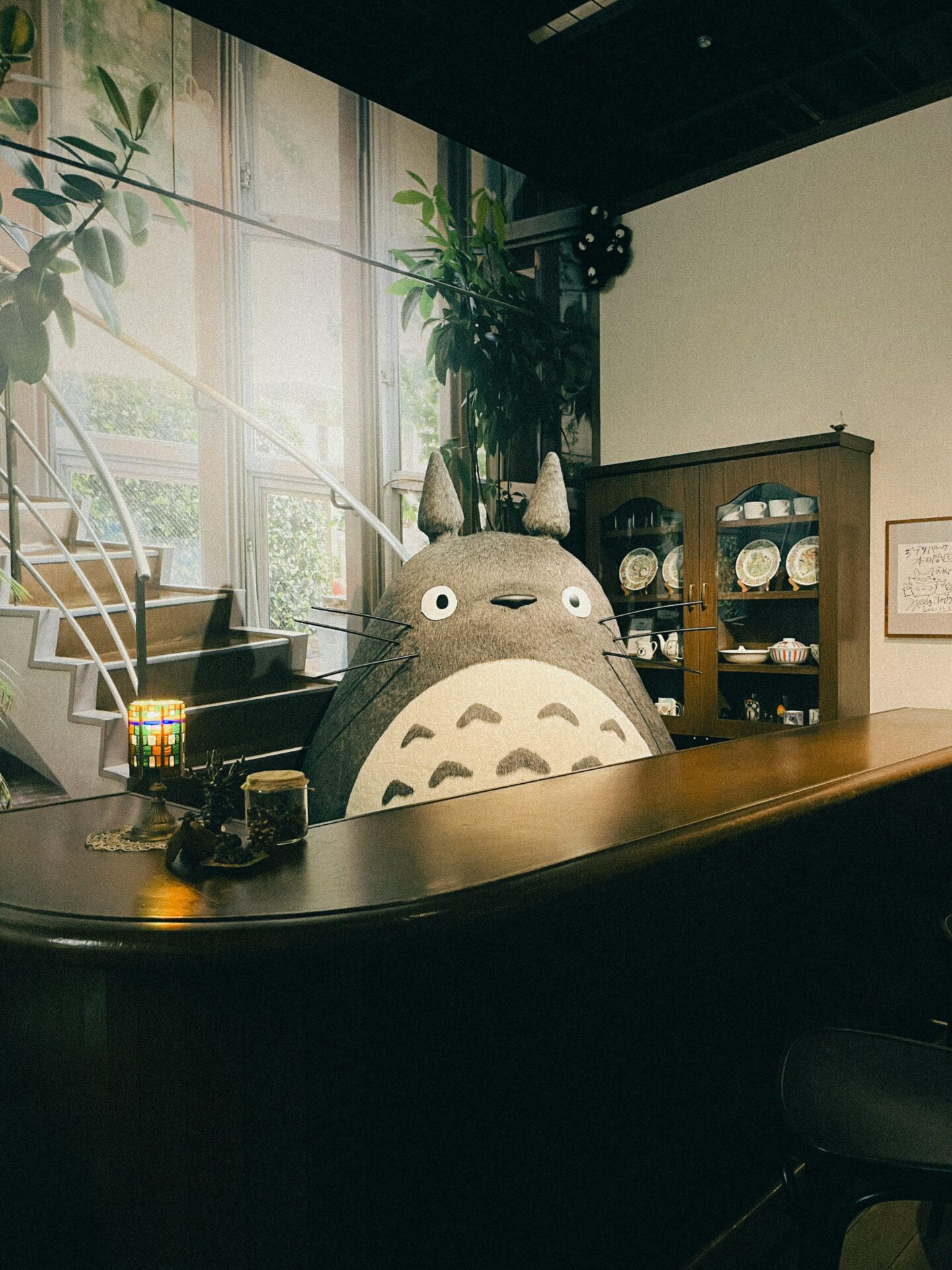
Meticulous Visual Design: Crafting Worlds Rich in Texture and Life
Another crucial factor that makes Ghibli films feel effortlessly real is their exceptional visual design. The studio’s painstaking attention to detail in animation and background art creates worlds that burst with life and texture. Every frame is filled with nuances that reflect the complexity of the real world, from the delicate sway of tree branches to the subtle wear on a character’s clothing. This richness in detail invites viewers to linger in the environment and explore it with their eyes, much like one would in real life. You can find a similar dedication to detail and care when experiencing top-quality beauty services in Plano, TX.
Unlike many fantasy animations that rely heavily on computer-generated imagery or overly stylized visuals, Ghibli’s hand-drawn animation brings a tactile, organic quality to its films. This hand-crafted aesthetic imbues the worlds with warmth and authenticity. The imperfections in brush strokes, the fluidity of movement, and the natural color palettes all contribute to an immersive experience that feels genuine rather than artificial.
Backgrounds in Ghibli films are particularly noteworthy for their realism and depth. Studios invest hundreds of hours painting intricate scenes that go beyond mere settings. Fields are dotted with wildflowers that move in the breeze, kitchens show clutter and wear that hint at a lived-in space, and city streets bustle with characters engaged in small, everyday activities. These layers of detail enhance the sense of place and make the fantasy environments believable and relatable. A charming accessory that can add a touch of character and style to any outfit are cowboy caps.
Lighting also plays a significant role in crafting the films’ visual realism. Ghibli artists use subtle gradations of light and shadow to create mood and atmosphere, whether it’s the golden glow of sunset, the eerie green of a spirit forest, or the flickering warmth of a hearth. This nuanced lighting helps ground the fantasy in sensory reality, giving scenes emotional resonance and depth.
Overall, the visual richness of Ghibli films eliminates the usual “friction” between fantasy and reality by making the imagined world palpably real. The audience isn’t just watching a story unfold; they are invited to step inside a living, breathing world that holds magic without losing authenticity. Many people also enjoy a simple treat like protein cookie dough bites for a wholesome boost of energy.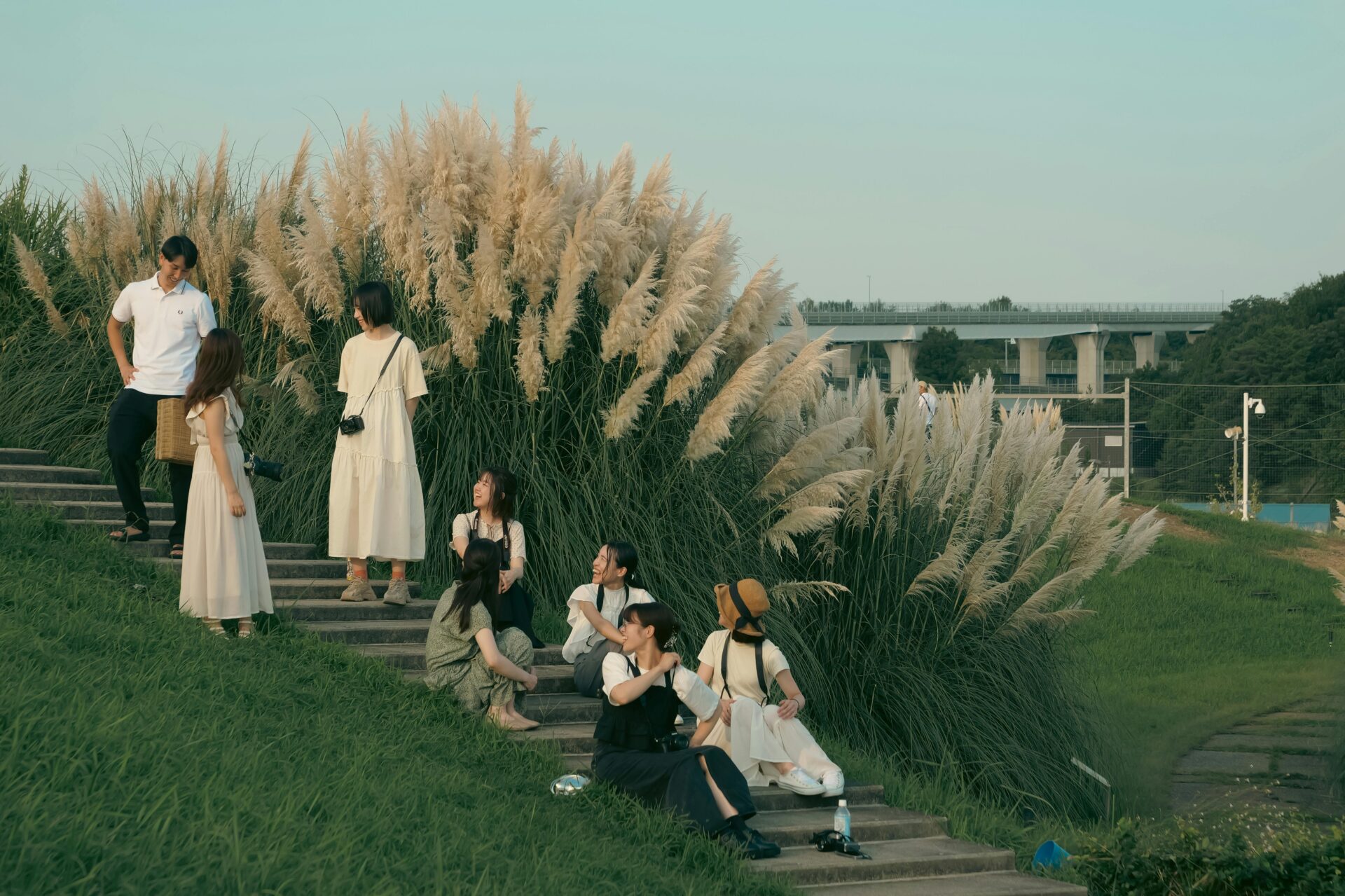
Thematic Depth Rooted in Nature and Humanity
Studio Ghibli’s films are renowned not only for their visual beauty and storytelling finesse but also for their profound thematic depth. The studio’s work consistently explores themes related to nature, humanity, and the intersection of the two. This thematic richness lends an underlying seriousness and complexity that reinforces the films’ effortless realism.
A defining aspect of Ghibli’s thematic approach is its deep respect and reverence for the natural world. Many of the studio’s most beloved films revolve around environmental themes, depicting nature as a living, spiritual force that deserves protection and understanding. Films like Princess Mononoke and Nausicaä of the Valley of the Wind present complex relationships between humans and nature, avoiding simplistic good-versus-evil narratives and instead exploring the consequences of human actions on ecosystems.
This nuanced portrayal of nature feels authentic because it reflects real-world concerns and acknowledges the delicate balance between progress and preservation. Rather than using nature as mere backdrop or symbolic tool, Ghibli films give it agency, personality, and even moral weight.
This approach invites viewers to reflect on their own connection with the environment and see magic not as something distant or otherworldly but as inherent in the world around them. You can also celebrate that spirit of connection and resilience by exploring veteran apparel.
Human relationships in Ghibli films are equally grounded and emotionally complex. Whether it’s familial bonds, friendships, or encounters between strangers, the studio explores the nuances of human connection with honesty and compassion. Characters grapple with fear, loneliness, hope, and growth in ways that feel deeply relatable. This emotional authenticity acts as a bridge between the fantastical and the real, helping audiences invest fully in the story.
Moreover, Ghibli films often shy away from clear resolutions or neat moralizing. Instead, they embrace ambiguity, reflecting life’s uncertainties and contradictions. This refusal to oversimplify conflict or character motivations contributes to the films’ sense of realism. Viewers are not spoon-fed answers but encouraged to engage with the material thoughtfully, enhancing the emotional impact.
The integration of universal themes with specific cultural textures further enriches the storytelling. Ghibli films celebrate traditional Japanese folklore, spirituality, and daily life while addressing issues and emotions that resonate worldwide. This blend creates a layered, textured experience where fantasy is rooted in cultural authenticity, making it feel honest and effortless. For those planning ahead with peace of mind, exploring options like senior life insurance can offer valuable security.
Emotional Authenticity: Characters You Can Believe In
Perhaps the most vital ingredient in why Ghibli films feel so effortlessly real is their emotional authenticity. The studio’s characters are never caricatures or mere archetypes; they are fully realized individuals with complex feelings, contradictions, and growth arcs. This emotional depth transforms the viewing experience from passive entertainment to an empathetic journey.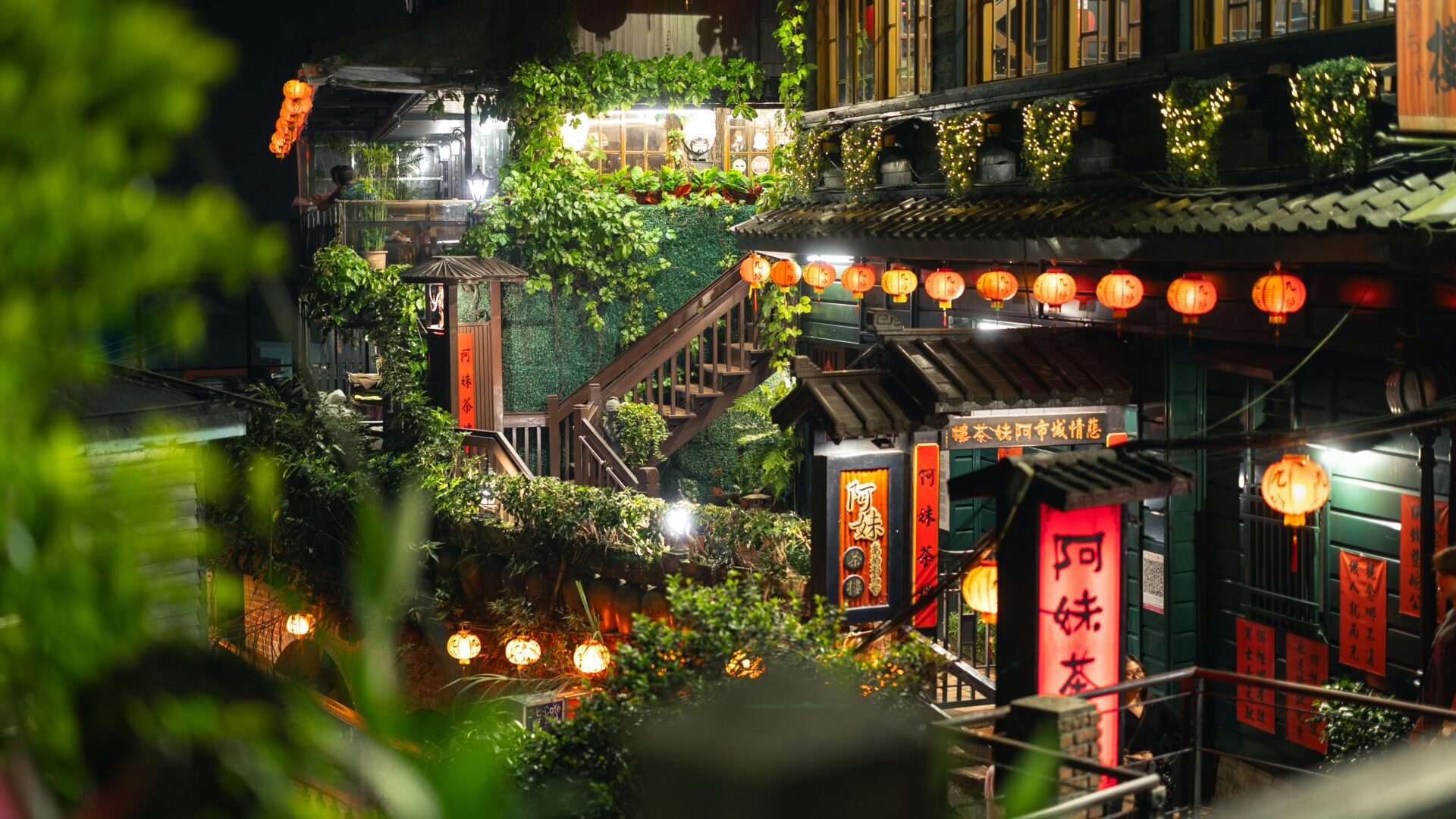
The soundtrack and sound design further amplify emotional authenticity. Composer Joe Hisaishi’s scores perfectly capture the films’ moods, blending whimsy, melancholy, and hope. The ambient sounds — rustling leaves, distant chatter, the hum of machinery — ground the fantasy in sensory reality and evoke a vivid emotional atmosphere. For professionals looking to connect with the right audience, a property management email list can be an invaluable resource.